
Propagation
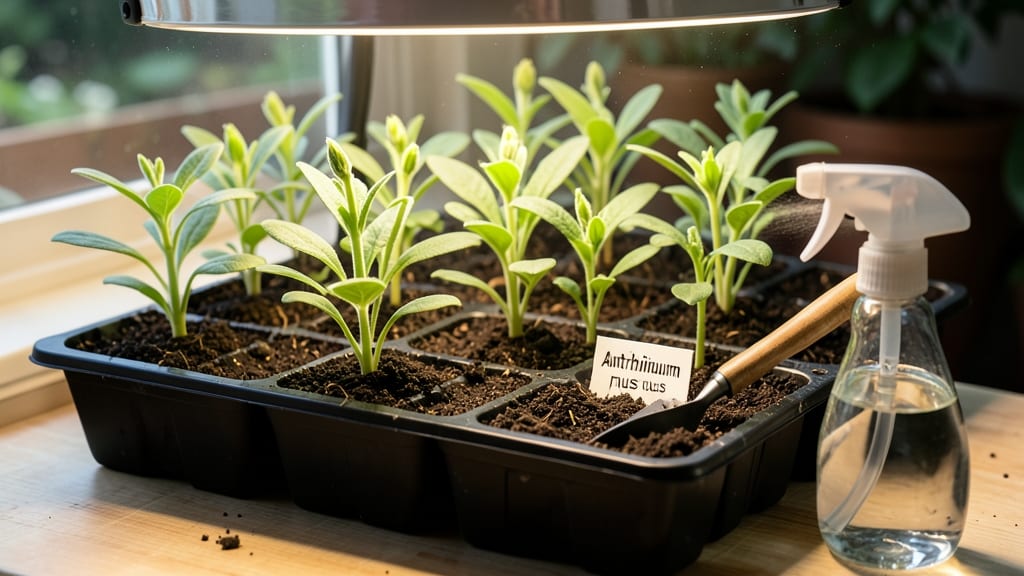
Growing snapdragons from seed indoors gives you a head start on those bold, towering blooms that make every garden look intentional. 🌱 I’ve started seeds in February, and by June, my snapdragons are the showstoppers—tall, vibrant, and full of personality. The key?
Timing, light, and patience (though the waiting part is the hardest). You’ll need a sunny windowsill or grow light, seed-starting mix, and small pots—nothing fancy. Most varieties take 10-14 days to germinate, and once they sprout, they grow fast.
The trick is keeping them from getting leggy (that’s when they stretch too tall and weak). A simple trick: move trays closer to the light as they grow, and you’ll avoid that sad, skinny seedling look.
By late spring, you’ll transplant them outside, and they’ll reward you with 3-4 foot spikes of bi-colored blooms. The flowers even smell like honey when you brush against them—it’s like nature’s perfume. Just watch for aphids, which love snapdragons, and keep the soil moist but not soggy.
This method works for any snapdragon variety, from classic ‘Black Knight’ to cheerful ‘Rocket’ mixes. Start now, and you’ll have cut flowers for bouquets by summer—or just enjoy the drama in your garden beds. Ready to grow?
📚 In This Guide
- What you need
- Instructions
- Tips and common mistakes
- Wrapping up and next steps
What you need
- ● Snapdragon seeds: Choose heirloom or hybrid varieties (e.g., ‘Black Prince,’ ‘Rocket’). Aim for 5–10 seeds per container.
- ● Seed-starting trays or pots: 2–4 inch deep cells or small pots (biodegradable options work too!).
- ● Seed-starting mix: Lightweight, sterile mix (avoid garden soil—it’s too dense!).
- ● Grow lights or sunny windowsill: 12–16 hours of light daily (south-facing window or LED grow lights).
- ● Misting bottle or spray nozzle: For gentle watering (no drenching!).
- ● Plastic wrap or humidity dome: To retain moisture while seeds germinate.
- ○ Heat mat (optional but helpful): Keeps soil warm (70–75°F) for faster germination.
- ● Fertilizer: Diluted liquid fertilizer (half-strength) after sprouts appear.
- ● Fan: A small clip-on fan for airflow (prevents damping-off disease).
- ● Plant labels: Mark varieties to avoid mix-ups!
- ● Transplanting tools: Small trowel or spoon for delicate seedlings.
Step-by-Step instructions for starting snapdragons indoors
Here's how I get vibrant snapdragons blooming all season—starting them early indoors guarantees those tall, striking flowers.
🌱 Step 1: Prepare Containers and Seed Starting Mix
Use 4-inch deep seed trays or individual pots with drainage holes—snapdragons hate soggy roots. Fill them with a light, sterile seed-starting mix (never garden soil). I like to mix mine with 10% perlite to keep it airy. Moisten the mix until it's damp like a wrung-out sponge—you shouldn't see water pooling at the bottom.
Press the soil down gently with your fingers until it's firm but not compacted. This creates a stable base for tiny roots to anchor. Tap the tray lightly on the table to settle everything evenly. Here's the thing—snapdragons germinate best in warm soil, so I place the tray on a seedling heat mat set to 70-75°F right away.
🌱 Step 2: Sow Seeds at the Right Depth
Snapdragons are tiny when dry, so I use a toothpick to create ¼-inch deep furrows in the soil. Place 2-3 seeds per cell (they germinate unevenly) and cover lightly with a thin layer of mix—just enough to hide them without burying. Mist the surface with a spray bottle until the soil looks evenly moist, not glistening.
Here's where it gets fun: I don't water from above after sowing. Instead, I place the tray in a clear plastic bag sealed loosely at the top. This creates a mini greenhouse effect that keeps humidity high while preventing overwatering. Seal it tightly enough that condensation forms on the inside when you breathe on it.
☀️ Step 3: Provide Warmth and Light for Germination
Keep the sealed tray in a warm spot (70-75°F) until sprouts appear, which usually takes 7-14 days. You'll see the first tiny green shoots push through the soil like little green hairs. Once 50% of seeds have sprouted, remove the plastic bag immediately—too much humidity now causes damping-off, a fungal disease that collapses seedlings overnight.
Move the tray to a bright location with 12-14 hours of light daily. A south-facing window works, but I supplement with a grow light kept 2-3 inches above the plants. Watch for leggy growth (thin stems with leaves far apart)—this means the light is too weak or distant. Adjust immediately by moving the light closer or increasing exposure time.
🌿 Step 4: Thin Seedlings and Encourage Strong Growth
When seedlings have 2-3 true leaves (not the first tiny seed leaves), thin to the strongest plant per cell. Use small scissors to snip weaker seedlings at soil level—never pull them, or you'll disturb the roots of the ones you want to keep. This might sound harsh, but crowded snapdragons grow weak and spindly.
After thinning, water from the bottom by placing the tray in ½ inch of water for 10 minutes. This encourages deep root growth. Keep the soil lightly moist—never soggy—until you see 4-5 true leaves. At this stage, I fertilize with a diluted liquid fertilizer (half-strength) to give them a nutrient boost without burning tender roots.
⏰ Step 5: Harden Off Before Transplanting
Two weeks before your last frost date, start hardening off by placing seedlings outside in a shaded, sheltered spot for 1-2 hours the first day. Gradually increase time by 1 hour daily until they can handle a full day outdoors. Snapdragons are tough, but they need this adjustment to avoid shock.
Watch for deep green leaves and sturdy stems—these are signs your seedlings are ready. Transplant on a cool, overcast afternoon to reduce stress. Space them 10-12 inches apart in well-draining soil, and water deeply at the base. You'll see those classic snapdragon spikes emerge within weeks!
Tips & tricks for perfect snapdragon seedlings
Here's what I've learned after growing snapdragons for years—these small details make all the difference between weak seedlings and thriving plants.
Soil Temperature is Everything: Those 70-75°F soil temps in Step 1 are non-negotiable for germination. I've tried starting seeds in cooler conditions, and they either take forever to sprout or just rot. If your home stays cool, consider using a seedling heat mat—it's worth the investment for these picky plants. For extra warmth, place the tray on top of your fridge (not inside) where it's naturally warmer.
Seed Spacing Secret: In Step 2, planting 2-3 seeds per cell might seem wasteful, but snapdragons don't always germinate evenly. The extra seeds act as insurance—if one fails, you still have backups. Once they sprout, you'll thin to the strongest one anyway. Pro tip: Use a toothpick to create those ¼-inch deep furrows—it gives you better control than your finger.
The Humidity Balance: That plastic bag trick in Step 2 creates the perfect microclimate, but timing matters. Check for condensation daily—if you see water droplets, the humidity is too high. Remove the bag immediately when 50% of seeds have sprouted to prevent damping-off. I've lost entire trays by leaving them sealed too long, so set a reminder if you're not watching closely.
Light Adjustment Trick: For Step 3, if you notice leggy seedlings (long stems with small leaves), it's not too late to fix it. Move your grow light 1-2 inches closer and increase exposure to 14-16 hours daily if possible. Snapdragons will respond quickly to better light conditions. For window-grown plants, rotate the tray daily so all seedlings get equal light exposure—this prevents them from leaning toward the sun.
Pro Tips for Grow Snapdragons From Seed Indoors
- Here's what I've learned after growing snapdragons for years—these small details make all the difference between weak seedlings and thriving plants.
- Soil Temperature is Everything: Those 70-75°F soil temps in Step 1 are non-negotiable for germination.
- Seed Spacing Secret: In Step 2, planting 2-3 seeds per cell might seem wasteful, but snapdragons don't always germinate evenly.
Frequently asked questions
Got questions about growing snapdragons from seed indoors? You’re not alone! Here are answers to the most common concerns—so you can start your blooms off right.
When is the best time to start snapdragon seeds indoors?
For most climates, sow seeds 8–10 weeks before your last frost date. If you’re in a warm zone, start earlier (up to 12 weeks) to ensure strong, healthy plants before transplanting. Check your local frost dates to time it perfectly!
Do snapdragons need cold treatment (stratification) to germinate?
Nope! Snapdragon seeds do not require cold stratification—they germinate best in warm soil (65–75°F). Just keep them consistently moist and in a cozy spot (like a seedling heat mat) until sprouts appear in 7–14 days.
Why aren’t my snapdragon seeds germinating?
Try these fixes:
- Check moisture: Keep soil damp (not soggy) and use a humidity dome.
- Test temperature: Seeds need warmth—try a seedling heat mat if your home runs cool.
- Fresh seeds: Old seeds (over 1 year) may lose viability. Try new ones!
- Light exposure: Seeds need darkness to sprout; cover trays until sprouts emerge.
Can I grow snapdragons in small spaces or containers?
Snapdragons thrive in 5–6 inch pots or even window boxes. Just ensure they get 6+ hours of sunlight daily and use well-draining soil. Dwarf varieties (like ‘Tiny Tower’) are perfect for balconies or small gardens!
How do I prevent leggy snapdragon seedlings?
Leggy seedlings happen when they stretch for light. Move trays to a sunny window or under grow lights as soon as sprouts appear. Rotate pots daily for even growth, and avoid overcrowding—thin seedlings to 2 inches apart to encourage sturdy stems.
Wrapping up and next steps
Growing snapdragons from seed indoors is a rewarding journey that lets you enjoy vibrant blooms year-round with just a little patience and care! By following these steps—from selecting the right seeds to transplanting your seedlings—you’ll unlock a colorful, fragrant garden even before spring arrives. 🌱✨
Now that you’re ready to start, why not sketch a planting schedule? Mark key dates (like germination and hardening off) on your calendar to keep your snapdragons thriving from seed to showstopper flowers! Grab your seeds and get growing!