
Succulent
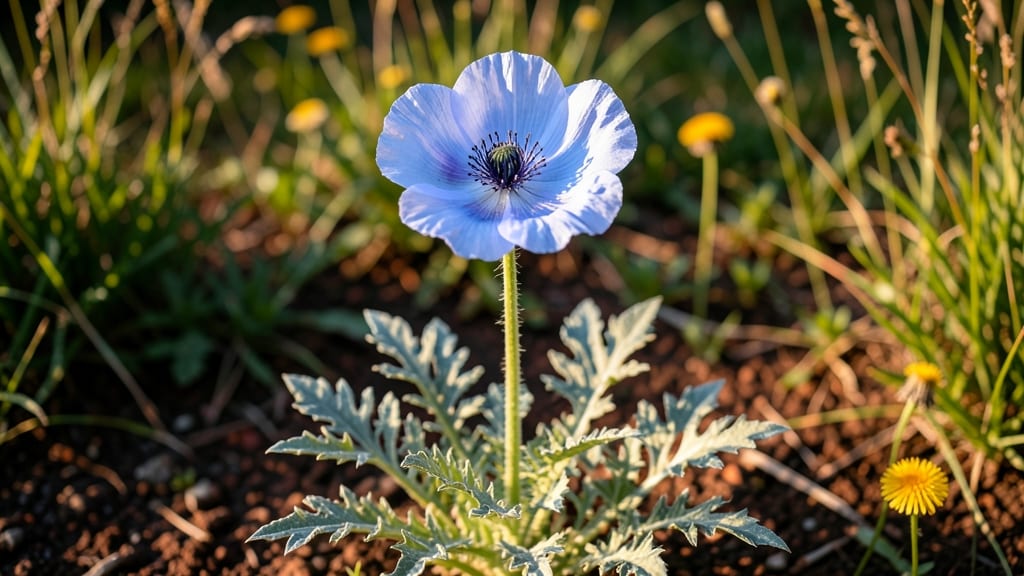
Growing Hungarian blue breadseed poppy means waking up to fields of sky-blue blooms that hum with pollinators by midsummer. 🌿 These delicate poppies thrive on neglect, turning even poor soil into a showstopper with their 90-day sky-high stems—perfect for cottage gardens, wildflower meadows, or cutting gardens.
I've grown them for years, and they never disappoint, even when I forget to water them. The secret lies in their love of sunny, well-drained spots and minimal fuss. They hate soggy soil but adore sandy or rocky ground where other plants struggle.
Plant seeds directly outdoors in early spring or fall, just a quarter-inch deep, and watch them self-seed for years to come. They'll reach 2-3 feet tall with minimal staking, their papery blue petals opening wide to catch the morning light.
By late summer, you'll harvest seeds for next year's garden or use them in baking—just toast and grind them for a nutty, slightly bitter flavor. The blooms also attract bees and butterflies, turning your garden into a buzzing ecosystem. Even better?
They're disease-resistant and pest-free, making them the ultimate low-maintenance beauty. Works in USDA zones 3-9, whether you're planting in borders, meadows, or even containers. Here's how to get started!"
📚 In This Guide
- What you need
- Instructions
- Tips and common mistakes
- Wrapping up and next steps
What you need
- ● Seeds: 1 packet of Papaver somniferum 'Hungarian Blue' breadseed poppy (about 50-100 seeds for a small patch).
- ● Potting soil: Well-draining, nutrient-rich mix (e.g., 60% garden soil + 30% compost + 10% perlite or sand).
- ● Containers or garden bed: For containers: 6-inch pots (1 per seedling) or a shallow tray (for direct sowing).
- ● For garden beds: A sunny spot with loose, fertile soil (pH 6.0-7.5).
- ● Watering can or hose: With a gentle spray nozzle for seedlings.
- ○ Fertilizer (optional but helpful): Balanced 10-10-10 or slow-release organic granules (e.g., worm castings).
- ● Hand trowel or small shovel for planting.
- ○ Glove (optional, to protect from prickly seed pods later!).
- ● Plant labels (to track varieties if growing multiple types).
- ○ Mulch (optional): Straw or shredded leaves to retain moisture.
- ○ Pruning shears (optional): For deadheading or harvesting seeds.
Step-by-step instructions for growing Hungarian blue breadseed poppy
Ready to grow these striking blue beauties? Here's how to coax sky-high stems from tiny seeds.
🌱 Step 1: Choose the Right Location and Prepare the Soil
Poppies thrive in full sun—pick a spot that gets at least 6-8 hours of direct sunlight daily. They tolerate poor soil, but they'll reward you with better blooms if you amend with compost before planting. Loosen the top 6 inches of soil to help roots establish easily.
Poppy seeds are tiny, so don't dig too deep. A simple rake will do the job. If your soil is heavy clay, mix in some sand or perlite to improve drainage. These plants hate soggy feet, and standing water will rot their delicate roots before they even sprout.
🌱 Step 2: Sow Seeds Directly in Late Spring
Wait until after your last frost date—poppy seeds need soil temperatures of 60°F or warmer to germinate. Scatter seeds lightly over the prepared soil, as they need light to germinate. Don't cover them—they're too small to bury.
Press them gently into the soil with your fingers or a small board. Space them about 12-18 inches apart if you want single stems, or let them self-seed for a naturalized look. Water lightly after planting, but don't soak the soil—poppy seeds need moisture to germinate but will rot if kept too wet.
☀️ Step 3: Provide Minimal Care for Strong Stems
Once seedlings emerge, water only when the soil feels dry to the touch. Poppies are drought-tolerant once established, but they need consistent moisture during their first 4-6 weeks to develop strong stems. You'll see the first true leaves appear in about 10-14 days—this is your cue to reduce watering slightly.
Don't fertilize! Poppies grow best in lean soil. Too much nitrogen will produce lots of foliage but few flowers. If you notice yellowing leaves, it's likely from overwatering or too much fertilizer. Let the plants grow naturally—their tall, slender stems will reach 3-5 feet with minimal support.
✂️ Step 4: Enjoy the Blooms and Collect Seeds
Hungarian Blue Poppies bloom in 90 days from seed, producing striking blue flowers that last just a day but self-seed prolifically. Once the flowers fade, you'll see seed pods form. These pods dry and split open, scattering seeds for next year's crop.
To collect seeds for saving, let a few pods mature completely on the plant. When they turn brown and dry, gently twist them off and open them to release the tiny black seeds. Store them in a cool, dry place until next spring. The more you let them self-seed, the more poppies will return year after year.
Tips & tricks for perfect Hungarian blue breadseed poppy growth
These simple strategies will help you coax those stunning blue blooms from tiny seeds to towering stems.
Sunlight Strategy: While 6-8 hours of sunlight is the minimum, I've found that positioning your poppies to catch morning sun and afternoon shade (especially in hot climates) actually produces slightly taller, more robust stems. The key is avoiding midday heat stress during their first 4-6 weeks when roots are establishing.
Seed Spacing Secret: The 12-18 inch spacing recommendation works perfectly for single stems, but here's what nobody tells you—if you're growing for seed collection, you can plant them closer together (about 6 inches apart) and still get beautiful blooms. The plants will naturally thin themselves out, leaving only the strongest stems to mature.
Watering Wisdom: That first light watering after planting is crucial, but I've learned the hard way that overwatering during germination is the #1 killer of poppy seeds. Use a spray bottle to mist the soil lightly rather than pouring water, and only water again when the top inch feels dry to the touch. Poppies are surprisingly resilient once established, but they need gentle handling at the start.
Fertilizer Faux Pas: I can't stress this enough—poppies absolutely hate fertilizer! The instructions say not to fertilize, but I'll go further: avoid planting them where other plants have recently been fertilized. The nitrogen residue in the soil will trick your poppies into growing lots of leaves instead of those show-stopping blue blooms. Think of them as divas—they want all the attention focused on their flowers, not their foliage.
Pro Tips for Hungarian Blue Breadseed Poppy
- These simple strategies will help you coax those stunning blue blooms from tiny seeds to towering stems.
- The key is avoiding midday heat stress during their first 4-6 weeks when roots are establishing.
- The plants will naturally thin themselves out, leaving only the strongest stems to mature.
Frequently asked questions
Got questions about growing your own Hungarian Blue Breadseed Poppy? You're not alone! Here are some of the most common inquiries—plus quick, practical answers to help you cultivate these stunning blue blooms like a pro.
When is the best time to plant Hungarian Blue Breadseed Poppy seeds?
These poppies thrive in cool weather and are best sown directly into the garden 4-6 weeks before your last frost date (spring) or in early fall for a winter-blooming surprise. Avoid planting in hot, dry soil—they germinate best at 50-60°F (10-15°C). If you live in a warm climate, opt for fall planting to bypass summer heat.
How long does it take for Hungarian Blue Breadseed Poppy to grow and bloom?
From seed to sky-high stems, these poppies follow a fast timeline:
- Germination: 7-14 days
- Seedling growth: 3-4 weeks
- Flowering: 8-10 weeks total (or 90 days from seed to peak blooms!)
Can I grow Hungarian Blue Breadseed Poppy in containers or do they need a garden bed?
These poppies adapt well to containers as long as the pot is at least 12 inches deep and has drainage holes. Use a light, well-draining potting mix and place them in a sunny spot. Just avoid overcrowding—space plants 12-18 inches apart to prevent competition. Containers also make them mobile, so you can move them to avoid frost or pests.
What pests or diseases should I watch for with Hungarian Blue Breadseed Poppy?
These poppies are generally low-maintenance, but keep an eye out for:
- Aphids (sap-sucking pests): Spray with water or introduce ladybugs.
- Powdery mildew (white fungal coating): Improve air circulation and avoid overhead watering.
- Rust (orange spots): Remove infected leaves and ensure good drainage.
Can I save seeds from my Hungarian Blue Breadseed Poppy for next year?
Yes! Once the blooms fade, let the seed pods dry on the plant until they turn brown and papery (usually 4-6 weeks). Pop them open to collect the blue-black seeds, then store them in a cool, dry place in a sealed container. These seeds stay viable for 2-3 years, making them a cost-effective way to grow poppies year after year.
Wrapping up and next steps
Growing Hungarian blue breadseed poppy is a rewarding journey that brings vibrant color and unexpected culinary potential to your garden! 🌱 With the right soil, sunlight, and care, you’ll enjoy sky-high stems and edible seeds in just 90 days.
Whether you’re a seasoned gardener or a beginner, this resilient beauty proves that stunning blooms and tasty harvests can go hand in hand.
Ready to dive in? Start by gathering your supplies, then plant your seeds with confidence—your future poppy patch awaits! 🌸 Happy growing!