
Lawn
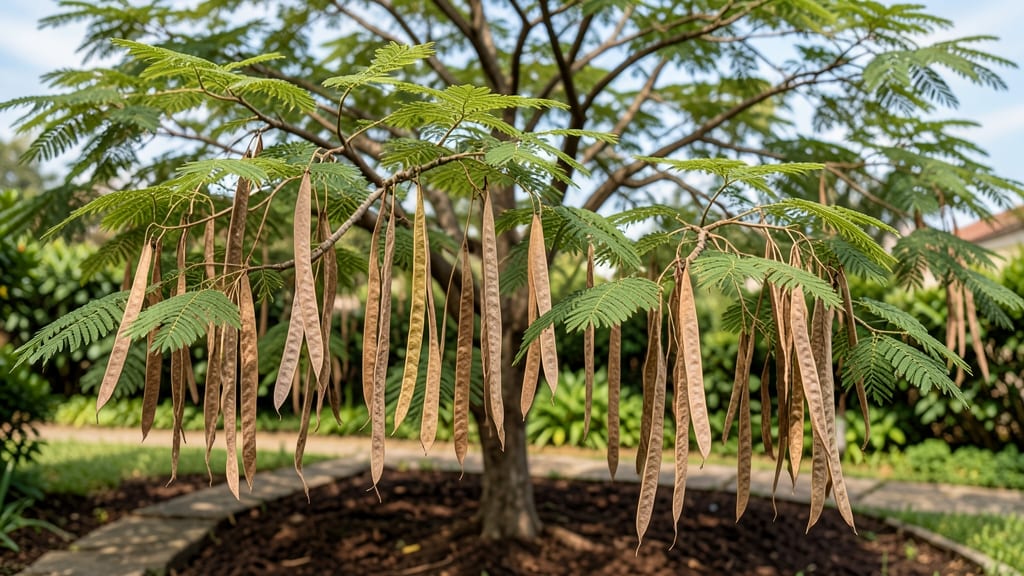
Harvesting jacaranda seed pods before they shatter is the secret to growing these stunning trees from scratch. 🌿 I’ve learned that timing is everything—wait too long, and the seeds scatter everywhere, leaving you with nothing but empty pods.
The key is watching for that perfect moment when the pods turn brown but haven’t burst open yet.
You’ll need a few simple tools: gloves to protect your hands from the sharp pods, a bucket or bag for collecting, and a dry, shaded spot to process them.
Jacarandas thrive in warm climates, so if you’re in a cooler zone, you’ll need to mimic their natural conditions with warmth and patience. The seeds are tiny but packed with potential—just don’t rush the drying process.
Once dried, store the seeds in a cool, dry place until planting time. Germination can be tricky, but with the right warmth (around 70°F) and consistent moisture, you’ll see those first green shoots within a few weeks.
The payoff? A tree that blooms with vibrant purple flowers in just a few years.
Common challenges like dormancy or low viability are easy to overcome with a little extra care. Soak the seeds in warm water for 24 hours before planting if you suspect dormancy, and always use fresh, well-draining soil.
With these steps, you’ll be well on your way to growing your own jacaranda—no nursery required.
📚 In This Guide
- What you need
- Instructions
- Tips and common mistakes
- Wrapping up and next steps
What you need
- ● Jacaranda seed pods: Mature, dried pods (typically greenish-brown to dark brown, ~6–12 inches long). Harvest when they’re dry but not yet cracked open (usually late summer/early fall).
- ● Pruning shears or sharp scissors: One pair (sterilized with rubbing alcohol to prevent disease spread).
- ● Large cardboard box or breathable mesh bag: To collect pods without crushing them (size: at least 18" x 12").
- ● Paper towels or newspaper: For drying seeds indoors (use 2–3 sheets).
- ● Small bowls or egg cartons: For separating seeds (quantity: 4–6 compartments).
- ● Plastic zip-top bags: For seed storage (quart-sized, labeled with the harvest date).
- ● Gloves: To protect hands from jacaranda sap (can stain; opt for nitrile gloves).
- ● Ladder or step stool: If pods are high in the tree (height: 20–40 feet).
- ● Fan or dehumidifier: For speeding up seed drying in humid climates.
- ● Seed viability test kit: To check germination rates (e.g., paper towel test supplies).
- ● Notebook & pen: To log pod characteristics (e.g., color, size) for future reference.
How to harvest jacaranda seeds before they shatter
Here’s how I collect viable seeds from those iconic purple blooms before they scatter everywhere.
🌿 Step 1: Identify and Locate the Seed Pods
Jacaranda seed pods form after the tree’s stunning purple flowers fade. Look for small, green, bean-like pods growing along the branches—about 2-4 inches long and ½ inch wide. They start firm and turn brown as they mature. Harvest them when they’re still green but beginning to dry out, usually 3-4 weeks after flowering.
Gently shake the branches to spot pods that rattle slightly—this means seeds inside are loose and ready. If you wait too long, the pods will shatter open on their own, sending seeds everywhere. I like to work on a dry day when the pods are easier to handle without slipping.
✂️ Step 2: Carefully Remove and Collect the Pods
Use clean, sharp pruning shears to snip the pods from the tree. Cut just above the stem to avoid damaging the branch. Place each pod in a paper bag or mesh sack—this prevents them from splitting open during transport. I’ve learned the hard way that plastic bags trap moisture and cause mold, so fabric or paper is best.
Label each bag with the date and tree location if you’re collecting from multiple sources. This helps track freshness, as seeds lose viability quickly once pods dry out. Store them in a cool, dry place (like a shaded garage) for 1-2 weeks to fully dry before opening.
🪴 Step 3: Extract Seeds and Prepare for Storage
Once pods are dry and brittle, gently crush them by hand or with a rolling pin to release the seeds. Jacaranda seeds are flat, dark brown, and about ½ inch long. Sift through the debris to isolate them—discard empty pods or damaged seeds. I spread the seeds on a clean towel to air-dry for another 24 hours to ensure no moisture remains.
Store the seeds in an airtight container (like a glass jar) with a desiccant packet to absorb any lingering dampness. Keep them in a dark, cool place—jacaranda seeds can stay viable for 1-2 years under these conditions. If you’re impatient, you can plant them immediately, but they’ll germinate better after a short dry period.
⏰ Step 4: Stratify Seeds for Better Germination (Optional)
Jacaranda seeds benefit from a brief stratification period to mimic winter conditions. Place them in a sealed plastic bag with slightly damp sand or vermiculite. Store the bag in your refrigerator for 4-6 weeks. Check weekly to ensure the mix stays moist but not soggy—jacaranda seeds rot easily if overwatered.
After stratification, plant the seeds in a well-draining potting mix. Press them ½ inch deep into the soil and keep it lightly moist. Germination can take 2-4 weeks, so patience is key. I’ve found that pre-stratified seeds sprout more reliably than those planted straight from the pod.
🌱 Step 5: Plant or Store for Future Growth
If you’re planting right away, use a mix of 50% potting soil and 50% perlite to prevent root rot. Place the pot in a warm, bright spot with indirect light—jacaranda seedlings need warmth to thrive. Keep the soil consistently moist but not waterlogged, as overwatering is the fastest way to kill young sprouts.
For long-term storage, keep seeds in their airtight container in a cool, dry place. Label the container with the date to track viability. Jacaranda trees grow slowly, so don’t rush—give them time to establish strong roots before transplanting outdoors. I’ve had success growing them in containers for a few years before moving them to the ground.
Tips & tricks for perfect jacaranda seed collection
These practical tips will help you maximize your seed harvest without the frustration of shattered pods.
Timing is Everything: The 3-4 week window after flowering is critical—pods should be green but starting to dry out. Test readiness by gently shaking branches: pods that rattle contain loose seeds. If you wait too long, you'll lose everything to nature's shattering. I've missed harvests by just a few days, so mark your calendar when you see those purple blooms fade.
Equipment Matters: Skip the plastic bags! Fabric or paper bags prevent moisture buildup that leads to mold. I've ruined entire harvests using plastic—trust me on this. For extraction, a rolling pin works wonders for crushing dry pods, but wear gloves as the seeds can stain. A fine-mesh sieve helps separate seeds from debris quickly, saving you hours of manual sorting.
Storage Wisdom: That 24-hour air-drying period after extraction is non-negotiable. Moisture is the enemy of long-term viability. I store my seeds in glass jars with silica gel packets—this keeps them dry for up to 2 years. For extra protection, place a small piece of activated charcoal in the container to absorb any remaining moisture without altering the seeds.
Stratification Secret: The 4-6 week refrigeration period mimics winter conditions that break seed dormancy. I like to check my seeds weekly during stratification—if they feel damp, I'll open the bag for 10 minutes to let moisture escape. This simple step can double your germination rate compared to planting straight from the pod.
Pro Tips for Jacaranda Seed Pods
- These practical tips will help you maximize your seed harvest without the frustration of shattered pods.
- Timing is Everything: The 3-4 week window after flowering is critical—pods should be green but starting to dry out. T...
- Equipment Matters: Skip the plastic bags! Fabric or paper bags prevent moisture buildup that leads to mold. I've ruin...
Frequently asked questions
Got questions about jacaranda seed pods? You’re not alone—these unique pods can be tricky to work with! Here are answers to the most common queries to help you harvest and handle them with confidence.
When is the best time to harvest jacaranda seed pods?
Harvest pods when they turn brown but before they split open—usually late summer to early fall. Overripe pods release seeds naturally, reducing your yield. Aim for firm, dry pods with a papery texture for the best results.
How do I know if the seeds inside are still viable?
Viable seeds are plump, dark brown, and slightly glossy. Discard shriveled or hollow seeds—they won’t sprout. For extra assurance, soak seeds in water for 24 hours; viable ones sink while empty ones float. Pro tip: Store seeds in a cool, dry place for up to 6 months if planting later!
Can I plant jacaranda seeds directly in the ground, or do they need stratification?
Jacaranda seeds don’t require stratification but benefit from a warm, moist environment to germinate. Plant them ½ inch deep in well-draining soil after scarifying (lightly nicking the seed coat) to speed up germination. Keep soil consistently moist until sprouts appear (usually 2–4 weeks).
What should I do if my seed pods shatter before I can harvest them?
Don’t panic! If pods split prematurely, collect fallen seeds immediately—they’ll dry out fast. Spread them on a tarp to dry fully, then store in a paper bag. While yield may be lower, you can still salvage viable seeds. Prevention tip: Harvest pods early in the morning when humidity is high, keeping them from drying too quickly.
Are jacaranda seed pods safe for my lawn or garden?
Yes! Once pods dry and shatter, they decompose naturally without harming grass or plants. However, avoid piling large quantities in one spot—they can smother young seedlings. For a tidy look, rake up spent pods or compost them. Bonus: The fallen pods add organic matter to soil over time!
Wrapping up and next steps
Jacaranda seed pods may seem delicate, but with the right timing and tools, harvesting viable seeds is simpler than you think! 🌿 By acting quickly once the pods turn brown and start splitting, you can preserve those precious seeds for future jacaranda trees.
Whether you’re a gardener looking to expand your landscape or just curious about nature’s cycles, this process is a rewarding way to connect with your plants.
Ready to try it? Grab your gloves and a bucket, then head outdoors to collect those pods before they shatter! Your future jacaranda trees—and your garden—will thank you.