
Lawn
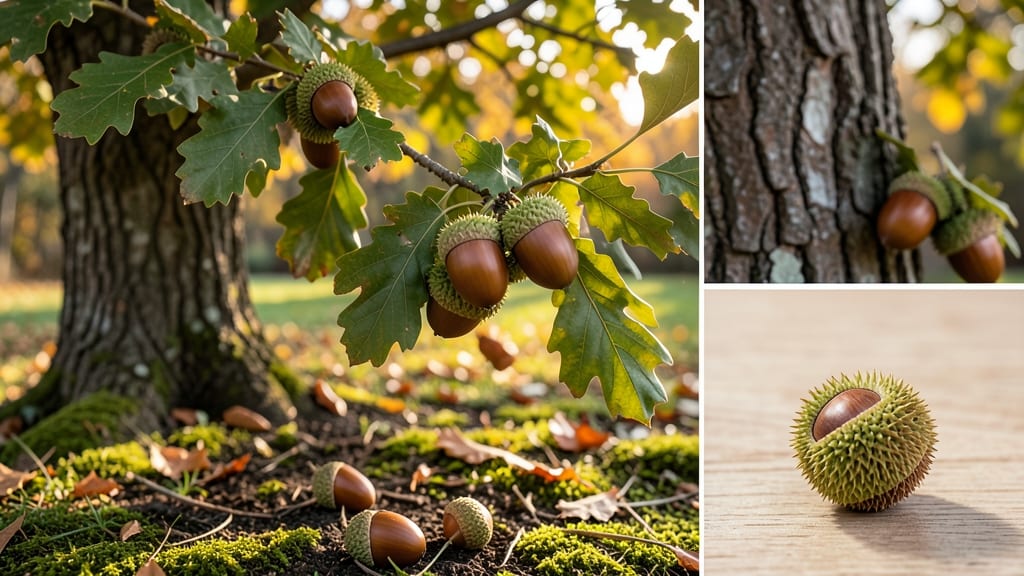
Harvesting oak tree seed pods without the frustrating twist-and-turn struggle is the first step to growing your own majestic trees. 🌳 I’ve spent years perfecting a gentle method that preserves acorn viability while keeping your hands clean—no more sticky fingers or wasted seeds.
The secret lies in timing, patience, and a few simple tools that make the process almost effortless. Most people assume you need to wait until the pods are fully dry and cracked, but the best acorns come when they’re still slightly green and firm.
This late summer to early fall window ensures higher germination rates, and the technique works for red, white, and pin oak varieties alike. You’ll need just a few supplies: thick gloves, a bucket, and a damp towel to keep the acorns fresh until planting.
Once you’ve collected them, proper storage is key—stratification mimics winter conditions and breaks dormancy. Place the acorns in a container with slightly moist sand or peat moss, then refrigerate for 90-120 days.
This step alone can double your success rate, and you’ll start seeing sprouts within weeks of planting in well-drained soil. The payoff? Healthy saplings that grow into towering oaks, providing shade, wildlife habitat, and timeless beauty for generations.
Even beginners can master this with the right approach—let’s get those seeds ready!
📚 In This Guide
- What you need
- Instructions
- Tips and common mistakes
- Wrapping up and next steps
What you need
- ● Gloves (nitrile or leather) – 1 pair (to protect hands from tannins and rough textures).
- ● Large bucket or mesh bag – 1 (10–20 gallon capacity) for collecting seed pods.
- ● Pruning shears or small handsaw – 1 (for trimming branches if harvesting from higher up).
- ● Ladder (extendable, 10–15 ft) – 1 (if pods are out of arm’s reach).
- ● Plastic tarps or drop cloths – 2–3 (to lay beneath trees and catch falling pods).
- ● Rubbing alcohol (70% isopropyl) or bleach solution – Small bottle (for sanitizing tools).
- ● Notebook & pen – 1 (to track harvest dates, tree types, and viability notes).
- ● Acorn storage containers (airtight, food-grade) – 2–3 (quart-sized jars or sealed bins for long-term storage).
- ● Paper towels or newspaper – 1 roll (for drying and separating acorns).
- ● Magnifying glass – 1 (to inspect acorn caps for viability and pests).
- ● Seed viability test kit – 1 (includes water and a clear container for float/sink tests).
- ● Labeling tags & marker – 10–20 (to organize acorns by tree species and harvest date).
- ● Wheelbarrow – 1 (for hauling heavy loads of pods or leaves).
- ● Portable vacuum or leaf blower – 1 (to clear debris from under trees efficiently).
- ● Camera or smartphone – 1 (to document tree locations and acorn traits).
- ● Knowledge of oak tree species in your area (e.g., white oak, red oak, or black oak).
- ● Access to mature oak trees (seed pods typically appear in late summer/fall).
- ● Clear weather forecast (avoid harvesting after rain to prevent mold).
- ● Basic understanding of acorn viability (look for plump, intact caps without holes or webbing).
How to harvest oak tree seed pods without damaging the acorns
Skip the frustrating twists and broken caps—here's the gentle method I use every fall.
🪴 Step 1: Time Your Harvest for Peak Ripeness
Wait until the seed pods turn brown and dry but haven't yet split open naturally. This typically happens in late fall, around October or November, depending on your climate zone. The pods should feel lightweight and papery when you handle them—if they're still green or heavy, they're not ready.
I check pods weekly starting in September. Gently squeeze one—if the cap opens easily with just a little pressure, that's your signal. Harvesting too early means immature acorns that won't germinate, while waiting too long risks losing them to squirrels or natural opening.
✂️ Step 2: Collect Pods Without Breaking the Acorns Inside
Use clean, sharp pruning shears to snip the entire pod from the branch, leaving about 1 inch of stem attached. This prevents the pod from splitting open mid-harvest. Work on a dry day when the pods are completely dry—moisture makes them brittle and more likely to crack.
Place pods in a large cardboard box or mesh bag to allow airflow. Avoid plastic containers, which trap moisture and encourage mold. I spread a tarp underneath to catch any that fall—oaks can be prolific, and you'll want every viable seed.
🌱 Step 3: Extract Acorns Safely From the Pods
Once home, lay pods on a clean work surface. Use a small screwdriver or butter knife to gently pry open the cap—start at the seam where the two halves meet. Never force it; if it resists, the acorn inside isn't ready yet. You'll know you're doing it right when the cap opens cleanly with minimal pressure.
Remove the acorn and its surrounding cup (the acorn cap) carefully. Discard any pods that split open naturally—the acorns inside are likely already damaged or eaten by insects. I set aside a separate container for partially open pods to check later, as some acorns may still be viable.
💧 Step 4: Clean and Prepare Acorns for Storage
Rinse acorns gently under cool water to remove any dirt or debris, but don't soak them. Let them dry completely in a single layer on a screen or paper towel for 3-5 days in a warm, dry place. Proper drying prevents mold and extends storage life.
Once dry, separate acorns by size—larger ones typically have higher viability. Store them in a paper bag or breathable container in a cool, dry place (around 40-50°F). Avoid plastic bags, which trap moisture and cause rot. Label each container with the harvest date for tracking.
⏰ Step 5: Stratify Acorns for Spring Planting
Oak acorns require a cold stratification period to break dormancy. Place acorns in a moistened mix of sand and peat moss (equal parts) in a sealed container. Store in your refrigerator's crisper drawer for 90-120 days. Check periodically to ensure the mix stays damp but not soggy.
After stratification, plant acorns 1 inch deep in well-draining soil. Keep the soil consistently moist but not waterlogged. Germination can take 4-6 weeks—be patient, as oak seedlings grow slowly. This cold treatment mimics winter conditions and dramatically improves germination rates.
Tips & tricks for perfect oak seed pod harvesting
These simple tricks will help you collect and preserve acorns without the frustration of broken pods or wasted seeds.
Timing is Everything: In Step 1, when checking pods weekly starting in September, look for that perfect balance—pods should be brown and dry but still intact. I've learned that early mornings after a light frost are ideal for harvesting, as the pods are at their driest. This reduces the risk of cracking when you handle them later.
The Right Tools Make All the Difference: For Step 2, invest in a good pair of pruning shears with sharp blades. Dull shears can crush pods, while sharp ones make clean cuts. I also recommend wearing gloves—oak pods can be surprisingly prickly, and the tannins in acorns can stain your hands. A small bucket with a lid works better than a cardboard box for collecting pods if you're working near a road or high-traffic area.
Gentle Extraction Prevents Damage: When opening pods in Step 3, I've found that starting at the seam and working slowly is key. If you feel resistance, the acorn inside isn't ready yet—leave that pod on the tree for another week. A butter knife works better than a screwdriver for most people because it gives you more control. I also keep a small bowl nearby to catch any acorns that might fall out unexpectedly.
Storage Wisdom: In Step 4, while drying your acorns, place them in a location with good airflow but no direct sunlight. A mesh screen works perfectly for this. I've had the best luck storing my acorns in breathable paper bags rather than containers—they allow moisture to escape while still protecting the seeds from pests. Labeling each bag with the harvest date helps track viability over time.
Pro Tips for Oak Tree Seed Pods
- These simple tricks will help you collect and preserve acorns without the frustration of broken pods or wasted seeds.
- Timing is Everything: In Step 1, when checking pods weekly starting in September, look for that perfect balance—pods should be brown and dry but still intact.
- The Right Tools Make All the Difference: For Step 2, invest in a good pair of pruning shears with sharp blades.
Frequently asked questions
Got questions about harvesting and using oak tree seed pods? You’re not alone! Here are some of the most common queries—and straightforward answers—to help you navigate the process like a pro.
When is the best time to collect oak seed pods?
Timing is everything! Harvest acorns when the pods just start to open (usually late summer to early fall, depending on your region). Wait too long, and squirrels or pests will snatch them up—or the acorns may sprout prematurely. Look for pods that are brown and dry but still intact.
Why do some acorns seem shriveled or empty inside?
Not all acorns are viable—some are mummified or hollow due to pests, disease, or poor development. To test viability, crack open a few: a good acorn has a firm, white kernel. Discard any that feel mushy, discolored, or smell off. Pro tip: Soak them in water for 24 hours—sinkers are usually the winners!
Can I plant acorns directly from the tree, or do I need to prepare them?
You can plant them fresh, but prepping boosts success. Scrub off any remaining pod bits, then cold-stratify them (mix with damp sand in a bag and refrigerate for 6–8 weeks) to mimic winter. This tricks acorns into thinking they’ve survived a season, waking them up for spring planting. Skip this step in warmer climates!
How do I store acorns long-term without them sprouting?
Store acorns in a cool, dry place (like a sealed container in the fridge) for up to 6 months. For longer storage, dry them completely (3–4 days in a warm, dark spot) and keep them in an airtight container with silica gel packets. Warning: Avoid humidity—mold or sprouting will ruin your stash!
What can I do with leftover or unsellable acorns?
Don’t toss them! Use them as natural mulch around other plants, feed them to wildlife (birds and squirrels love them), or compost them. Even the shells break down over time. Bonus: Roast and grind them into flour for a nutty (but bitter) baking experiment!
Wrapping up and next steps
From understanding the twist-free harvesting technique to troubleshooting common challenges, you’re now equipped to gather viable oak tree seed pods like a pro—no matter the season! 🌳✨ Whether you’re nurturing new saplings or simply enjoying nature’s bounty, every acorn you collect is a step toward a greener, more sustainable landscape.
Ready to put your skills to the test? Grab your tools, head outdoors, and start harvesting with confidence!
Pro tip: Share your success with fellow gardeners or local conservation groups—your knowledge could inspire others to protect and propagate these mighty trees! 🌱💚