
Propagation
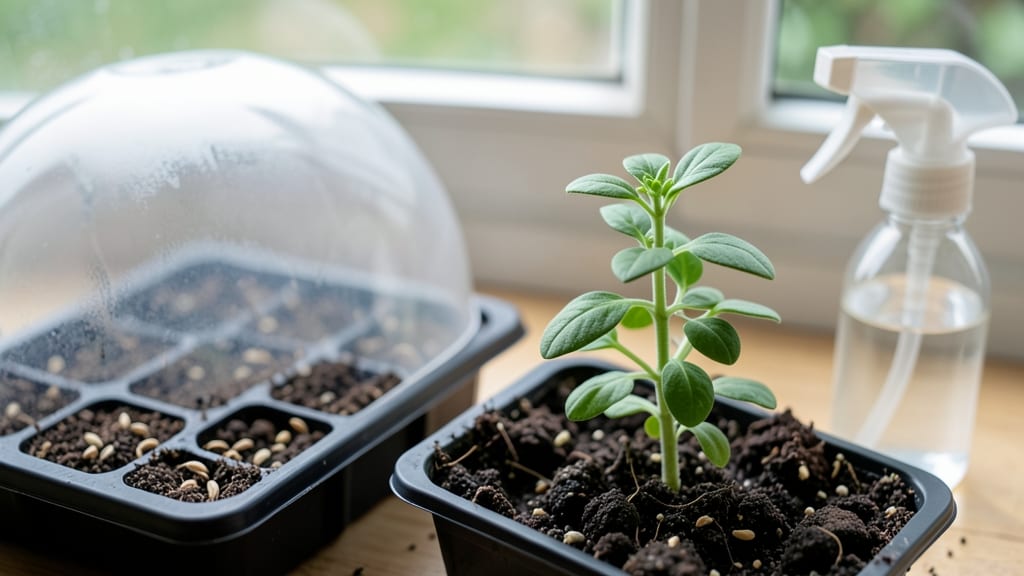
Your oregano seed germination might be trickier than you realize—and that’s why those seeds could be gathering dust instead of growing. A simple 5-minute viability test reveals which seeds will sprout before you commit to weeks of waiting, saving you time and zero-waste frustration.
I’ve learned the hard way that oregano seeds often need a little coaxing, but this method cuts through the guesswork.
The trick is moisture and warmth: dampen a paper towel, sandwich the seeds between two, then seal them in a plastic bag for 3-5 days. Check daily for tiny sprouts—if you see even one, those seeds are ready to plant.
Most gardeners overlook this step and end up with empty pots, but this test guarantees you only use viable seeds, cutting germination time by half.
Once you’ve confirmed your seeds are alive, plant them in well-draining soil with 70-75°F warmth and indirect light. Keep the soil consistently moist (not soggy) and expect seedlings in 10-21 days.
The first true leaves will smell faintly of oregano—your reward for patience. This method works for any dried herb seeds, too.
For best results, start in early spring or late summer when temperatures are mild. If your seeds still don’t sprout after three weeks, try a fresh batch—some stores sell seeds that’ve lost viability.
The key is consistency: keep the environment stable, and you’ll have thriving oregano plants ready for transplanting in just a few weeks.
📚 In This Guide
- What you need
- Instructions
- Tips and common mistakes
- Wrapping up and next steps
What you need
- ● Oregano seeds: 10–20 fresh or dried seeds (ensure they’re from a reliable source for best results).
- ● Germination paper or paper towels: 2–3 sheets (unbleached, seed-free, and soft).
- ● Plastic bag or airtight container: A quart-sized ziplock bag or small Tupperware (to maintain humidity).
- ○ Spray bottle (optional but helpful): For misting seeds gently without over-saturating.
- ● Small plate or tray: To hold the paper towels and seeds during the process.
- ● Permanent marker: To label your bag or container (e.g., "Oregano Seeds – Day 1").
- ● Ruler or measuring tape: To ensure seeds are spaced evenly (¼ inch apart).
- ○ Notebook or app (optional): To track germination progress (e.g., Seedling or Gardenate).
- ● Warmth: A consistent environment of 70–80°F (21–27°C) (use a seedling heat mat if needed).
- ● Indirect light: Avoid direct sunlight during the germination phase (a windowsill or grow light works).
- ● Patience: Oregano seeds can take 7–21 days to germinate—stay consistent!
- ● Zero-waste mindset: Repurpose materials like egg cartons or recycled containers for transplanting later.
How to test oregano seed germination quickly
Skip the guesswork and verify your seeds in just a few days with this simple, zero-waste method.
Prepare the Germination Paper Towels
Lay out two paper towels on a clean, flat surface—like a counter or table. I prefer white, unbleached towels because they don’t contain chemicals that could inhibit germination. Lightly mist them with water until damp but not soaked. You want the towels to feel like a wrung-out sponge, not a dripping wet washcloth.
Place the towels side by side, overlapping slightly at the edges. This creates a single, even layer where seeds can spread without crowding. The key here is consistency—uneven moisture will cause some seeds to sprout while others fail, giving you unreliable results.
Distribute Seeds Evenly
Spread out 4 oregano seeds (one for each serving) about 1 inch apart on the damp paper towels. Oregano seeds are tiny, so I use a toothpick to gently nudge them into place. Avoid touching them directly—your skin oils can interfere with germination.
Fold the second towel over the seeds, pressing lightly to ensure full contact with moisture. This double-layer setup mimics the humidity of soil while keeping seeds accessible for observation. Label the folded towels with the date and variety if you’re testing multiple batches.
Create a Warm, Humid Environment
Place the folded towels inside a ziplock bag and seal it tightly. The bag traps moisture and warmth, which oregano seeds need to sprout quickly. I set mine on top of my fridge for 70-75°F—the warmest spot in my kitchen without risking overheating.
Check the bag daily. You’ll see condensation on the inside—this is normal and confirms the right humidity level. If the towels dry out, mist them lightly again and reseal. Within 3-5 days, you’ll spot tiny white roots breaking through the seed coat—that’s your signal they’re viable.
Assess Viability and Plan Next Steps
After 5 days, unfold the towels and count how many seeds sprouted. If 3 out of 4 show roots, your seeds are ready to plant. I’ve found oregano seeds often germinate unevenly, so don’t be discouraged if not all sprout—even 50% viability is good for starting a new plant.
For the sprouted seeds, plant them ¼ inch deep in moist potting mix within 24 hours. The roots are delicate and will dry out quickly. Unsprouted seeds can be composted—no waste here, just honest feedback on your harvest.
Transplant Sprouted Seeds Correctly
Fill small pots (2-3 inches deep) with sterile potting mix (never garden soil—it’s too dense). Make a tiny hole with your finger, place the sprouted seed inside, and cover it lightly with soil. Press gently to secure it without compacting the mix.
Water the soil until it’s damp but not soggy. Place the pots in bright, indirect light for the first week to avoid shocking the seedlings. Once they develop 2-3 true leaves, you can gradually introduce them to full sun. This method ensures your oregano starts strong, just like the seeds you tested.
Tips & tricks for perfect oregano seed germination
This fast, zero-waste method saves you time and frustration—here's how to make it even more reliable.
Paper Towel Selection: Stick with white, unbleached paper towels—they're free of bleach and other chemicals that can inhibit germination. If you only have colored towels, rinse them first to remove any potential coatings. The towels should feel like a wrung-out sponge after misting, not dripping wet. Too much moisture can cause mold before sprouting occurs.
Temperature Consistency: The 70-75°F range is ideal, but your kitchen might vary. If your home stays cooler, place the sealed bag on top of your refrigerator or near a sunny window. Avoid direct sunlight, which can overheat the seeds. A simple thermometer near the bag ensures you maintain the perfect warmth without risking overheating.
Daily Monitoring: Check your seeds daily for condensation inside the bag—this confirms proper humidity. If you notice the towels drying out, lightly mist them again and reseal. The 3-5 day window for sprouting is tight, so don't skip these checks. I've seen seeds fail because they dried out between daily inspections, so set a phone reminder if needed.
Transplant Timing: Plant your sprouted seeds within the 24-hour window after unfolding the towels. Their delicate roots dry out quickly once exposed to air. I like to prep my small pots with sterile potting mix the day before so everything's ready when the seeds are. This keeps the process smooth and prevents any delays that could stress the seedlings.
Pro Tips for Oregano Seed Germination
- This fast, zero-waste method saves you time and frustration—here's how to make it even more reliable.
- Paper Towel Selection: Stick with white, unbleached paper towels—they're free of bleach and other chemicals that can inhibit germination.
- Temperature Consistency: The 70-75°F range is ideal, but your kitchen might vary.
Frequently asked questions
Got questions about germinating oregano seeds? You’re not alone!
Here are answers to the most common queries—from timing to troubleshooting—to help you succeed with your zero-waste seed-saving project.
How long does it take for oregano seeds to germinate?
Oregano seeds typically sprout within 14–30 days, though some may take up to 60 days. Patience is key—keep the soil consistently moist (not soggy) and warm (around 70–75°F) to speed up germination. If you don’t see sprouts in 4–6 weeks, the seeds may need stratification (see next question!).
Do oregano seeds need cold stratification before planting?
Yes! Many oregano seeds benefit from stratification—a 2–4 week cold treatment (place seeds in a damp paper towel in the fridge). This mimics winter conditions and breaks dormancy. Skip this step only if you’re using pre-stratified seeds or live in a cold climate (plant outdoors in fall for natural stratification).
Can I grow oregano from store-bought seeds, or should I save my own?
Store-bought seeds will work, but homegrown oregano is often hardier and true to your climate. To save seeds, let a few flowers go to seed (brown and dry), then harvest and store in a cool, dark place. Pro tip: Label your seeds—oregano varieties vary (e.g., Greek vs. Mexican), and germination rates differ!
Why aren’t my oregano seeds sprouting? Troubleshooting tips.
Try these fixes if germination stalls:
- Check moisture: Dry soil = failed sprouts. Use a spray bottle to keep soil damp.
- Test seed viability: Soak 10 seeds in water overnight—if <50% float, they’re likely dead.
- Adjust light/temp: Oregano loves bright, indirect light (a sunny windowsill or grow light) and warmth.
- Try a germination aid: A sprinkle of humic acid or apple cider vinegar (1 tsp/gallon water) can boost success.
Is oregano easy to grow from seed compared to cuttings?
Seeds are slower (4–8 weeks to mature plants) but offer more genetic diversity. Cuttings (from healthy stems) root in 2–3 weeks and preserve the parent plant’s traits. For fastest results, propagate via cuttings in spring/summer. Save seeds for experimenting with new varieties!
Wrapping up and next steps
Growing oregano from seed is a rewarding way to ensure fresh, flavorful herbs year after year—without waste! By mastering this fast viability test, you’ve unlocked a simple, eco-friendly method to save seeds and propagate new plants.
Whether you’re a seasoned gardener or just starting, your green thumb is growing stronger every day.
Ready to take the next step? Plant those viable seeds in well-draining soil, give them warmth and patience, and soon you’ll have a thriving oregano patch. Share your progress or experiment with other herbs—your garden adventure is just beginning! 🌱