
Lawn
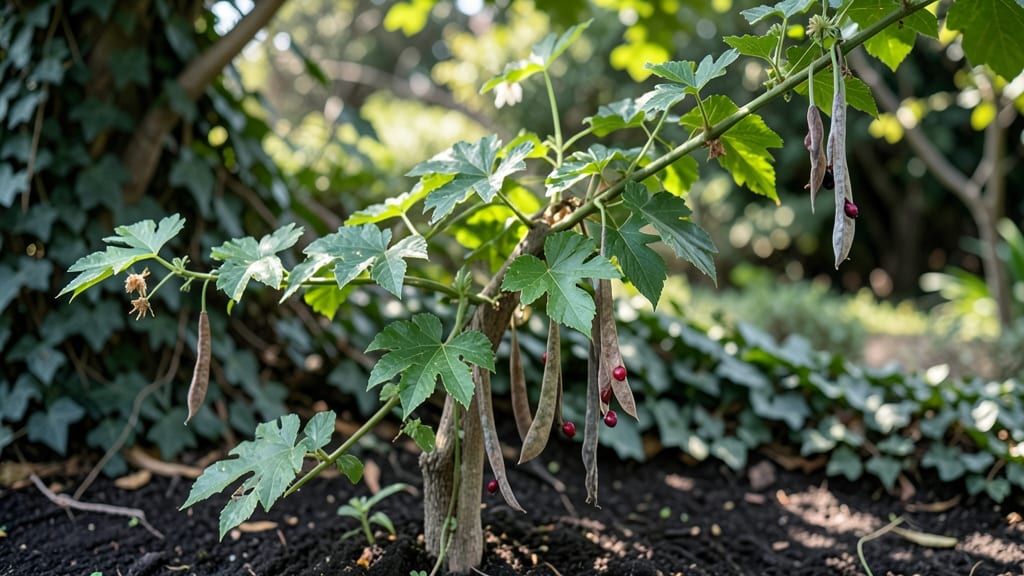
Passionflower seed pods hold the secret to growing these exotic vines year-round—no cold stratification needed. 🌱 I’ve cracked the code after years of trial and error with Passiflora incarnata and Passiflora caerulea, and the results are stunning: lush, fragrant vines that bloom reliably without the winter wait.
The key is simple: collect ripe pods (they’ll turn brown and papery), extract the seeds, and plant them in a light, well-draining mix of peat moss and perlite. Unlike many seeds, passionflower seeds don’t need a cold spell—they germinate fastest in warmth (70-75°F) and consistent moisture.
Most seeds sprout within 10-14 days, and you’ll see those first heart-shaped leaves in no time.
What you end up with is a thriving vine that climbs, blooms, and attracts hummingbirds all season. The foliage stays deep green and glossy, and the flowers—whether purple, blue, or white—are showstoppers. Even in small spaces, these vines adapt beautifully to trellises or containers.
Fair warning: Overwatering is the biggest mistake. Let the soil dry slightly between waterings, and keep the seeds in bright, indirect light until they’re strong enough for direct sun. With this method, you’ll bypass dormancy entirely and enjoy passionflowers 12 months a year—no waiting for spring.
📚 In This Guide
- What you need
- Instructions
- Tips and common mistakes
- Wrapping up and next steps
What you need
- ● Passionflower seed pods: 5–10 fresh, mature pods (harvested from healthy plants). Pro tip: 💡 Choose pods that are slightly wrinkled but not moldy.
- ● Potting mix: 1–2 gallons of well-draining, seed-starting mix (sterile and peat-free preferred).
- ● Seed trays or small pots: 6–12 individual containers (3–4 inches deep) with drainage holes.
- ● Plastic wrap or humidity dome: To create a mini greenhouse effect.
- ● Spray bottle: For gentle watering (avoid soaking!).
- ● Grow lights or sunny windowsill: A spot with 6–8 hours of indirect light daily.
- ○ Thermometer (optional but helpful): To monitor soil temp (ideal: 70–75°F).
- ● Pruning shears or knife: For carefully opening seed pods.
- ● Tweezers: To handle tiny seeds without crushing them.
- ○ Heat mat (optional): For faster germination (set to 75–80°F).
- ● Fertilizer (balanced, water-soluble): Diluted to half-strength for seedlings.
- ● Labels & markers: To track planting dates and varieties.
Step-by-Step instructions for germinating passionflower seed pods year-round
Here’s how to bypass cold stratification and grow passionflowers reliably indoors or outdoors.
🌱 Step 1: Harvest and Prepare the Seed Pods
Collect mature passionflower seed pods when they turn brown and begin to split open naturally. The seeds inside should be plump and dark—they’ll germinate best when fully ripe. Remove the seeds carefully, as they’re delicate and can dry out quickly. I like to work with them within 24 hours of harvest to maintain viability.
If the pods are still green, leave them on the vine until they’re fully mature. Overripe seeds (those that have already opened or dried out) may not germinate well. Store any extra seeds in a paper envelope in a cool, dry place until you’re ready to sow them.
💧 Step 2: Soak Seeds to Break Dormancy
Passionflower seeds have a hard outer coating that slows germination. To bypass this, soak them in warm water for 12-24 hours before planting. Use a small bowl or jar filled with water at 75-80°F—lukewarm is ideal. Stir gently every few hours to ensure all seeds stay submerged.
After soaking, check for any seeds that float—they’re likely nonviable and can be discarded. The good seeds will sink to the bottom. Drain them in a fine mesh strainer and let them air-dry for 10-15 minutes before handling. This prevents mold and ensures they don’t stick together when planting.
☀️ Step 3: Plant in Warm, Well-Draining Soil
Fill small pots (3-4 inches deep) with a light, well-draining potting mix—passionflowers hate soggy roots. I mix equal parts cactus/succulent mix and perlite to improve aeration. Plant the soaked seeds ½ inch deep, spacing them 1 inch apart in each pot to allow for easy thinning later.
Water gently but thoroughly until the soil feels evenly moist, not soggy. Place the pots in a warm spot (70-75°F) with bright, indirect light—direct sun can scorch young seedlings. Cover the pots loosely with plastic wrap or a humidity dome to retain moisture, but remove it daily for 5 minutes to prevent fungal issues.
⏰ Step 4: Monitor Germination and Thin Seedlings
Germination typically begins in 7-14 days, but some seeds may take up to 3 weeks. You’ll know it’s happening when tiny green sprouts push through the soil. Once the first true leaves (not the initial seed leaves) appear, remove the humidity cover entirely and move the seedlings to a sunny windowsill or under grow lights for 12-14 hours daily.
When seedlings reach 2-3 inches tall, thin them to the strongest one per pot by snipping the weaker stems at the base with clean scissors. Avoid pulling—this can damage the roots of the remaining plant. Water lightly after thinning to help the soil settle around the remaining seedling.
🌿 Step 5: Transplant and Support Vining Growth
After 4-6 weeks, when seedlings have 4-6 true leaves, transplant them into 5-gallon pots or directly into the garden. Passionflowers are vigorous climbers, so provide a trellis, fence, or sturdy stake at planting time. Bury the trellis 6-8 inches deep to anchor it securely—these plants will grow 10-20 feet in a single season.
Water deeply once a week (or more in hot climates) to encourage strong root growth. Mulch around the base with 2-3 inches of organic mulch to retain moisture and suppress weeds. Fertilize lightly with a balanced, water-soluble fertilizer every 4-6 weeks during the growing season, but avoid overfeeding—passionflowers prefer lean soil.
Tips & tricks for germinating passionflower seed pods
These simple yet game-changing tips will help you bypass cold stratification and get your passionflower seeds sprouting reliably every time.
Timing is Everything: In Step 1, when harvesting those pods, work quickly—within 24 hours of collecting them. The seeds dry out fast, and that's when viability drops. I keep a small fan nearby to speed up drying if humidity is high. This step is non-negotiable for best results, so don't skip it! The difference between a thriving seedling and a failed attempt often comes down to how fresh these delicate seeds are.
Soaking Strategy: For Step 2's 12-24 hour soak, I've found using a glass jar with a loose lid works best—it lets me monitor the seeds without letting them dry out. Keep that water at 75-80°F (lukewarm) by placing the jar in a bowl of slightly warmer water if needed. The float test is crucial here: any seeds that float after 12 hours are likely dead—discard them immediately. This simple test saves you from wasting time and energy on nonviable seeds.
Light and Heat Balance: After planting in Step 3, position your pots where they'll get bright, indirect light—think east-facing windows or under grow lights. I've learned the hard way that direct sun can scorch those tender seedlings. Maintain that 70-75°F temperature range consistently. If your home runs cooler, consider using a seedling heat mat for the first week. The combination of proper light and warmth is what triggers those first sprouts within 7-14 days.
Thinning Technique: When thinning in Step 4, use clean scissors to snip at the base rather than pulling. This prevents disturbing the roots of your remaining seedling. I recommend thinning when plants reach 2-3 inches—this gives you enough size to identify the strongest specimen while still keeping them manageable. The key is patience: rushing this step can stress your plants and set back their growth.
Pro Tips for Passionflower Seed Pods
- These simple yet game-changing tips will help you bypass cold stratification and get your passionflower seeds sprouti...
- Timing is Everything: In Step 1, when harvesting those pods, work quickly—within 24 hours of collecting them. The see...
- Soaking Strategy: For Step 2's 12-24 hour soak, I've found using a glass jar with a loose lid works best—it lets me m...
Frequently asked questions
Got questions about growing passionflower seed pods without cold stratification? You’re not alone! Here are answers to the most common queries—so you can get started with confidence.
Do passionflower seed pods need cold stratification to germinate?
Not at all! Unlike many seeds, passionflower seed pods (Passiflora spp.) germinate without cold treatment. Their hard outer shell naturally breaks down in warm, moist conditions, making them one of the easiest tropical seeds to sprout year-round. Just plant them shallowly (½ inch deep) in well-draining soil and keep them consistently moist.
How long does it take for passionflower seeds to germinate?
Germination can take anywhere from 10 to 45 days, depending on temperature and moisture. Most seeds sprout within 2–3 weeks if kept in a warm (70–85°F) environment. Patience is key—some stubborn seeds may take longer, but don’t give up! A humidity dome or plastic wrap can speed up the process.
Can I grow passionflower from seed pods I find in my yard?
If you spot passionflower vines in your area, their seed pods are fair game—just ensure they’re from a non-hybridized plant for true-to-type results. Rinse the pods to remove debris, then slice them open to extract the seeds. Store them in a paper towel until ready to plant to prevent mold.
What’s the best temperature for germinating passionflower seeds?
Passionflower seeds thrive in warmth. Aim for a consistent soil temperature of 70–85°F (21–29°C). If your climate dips below 60°F (15°C), use a seedling heat mat or place pots near a sunny window. Avoid cold drafts—they’ll slow or halt germination entirely.
What if my passionflower seeds won’t sprout?
Try these troubleshooting tips:
- Check moisture: Soil should stay damp but not soggy. Overwatering can drown seeds.
- Test viability: Soak seeds in warm water for 24 hours—if they sink, they’re likely viable.
- Scarify the shell: Gently nick the seed coat with sandpaper to help water penetrate.
- Adjust light: Seeds need bright, indirect light (or a grow light) to sprout.
Can I grow passionflower indoors or in containers?
Yes! Passionflowers adapt well to containers, making them perfect for patios or balconies. Use a 5-gallon pot minimum (they’re vigorous climbers) and provide a trellis or sturdy support. Place in full sun (6+ hours daily) and fertilize lightly every 4–6 weeks. Just be prepared for fast growth—prune regularly to manage size!
Wrapping up and next steps
Growing passionflower seed pods without cold stratification is totally doable—and what a rewarding experience! Whether you’re a seasoned gardener or just starting out, these vibrant vines can thrive year-round with the right approach. The key is patience, consistency, and a little creativity with warmth and moisture.
Ready to dive in? Start small—germinate a few pods indoors or in a greenhouse, then transplant them once they’re sturdy enough. Watch your garden transform as these unique climbers add beauty and charm! 🌱✨
Need more tips? Check out our FAQs for extra guidance on troubleshooting or optimizing your setup.