
Lawn
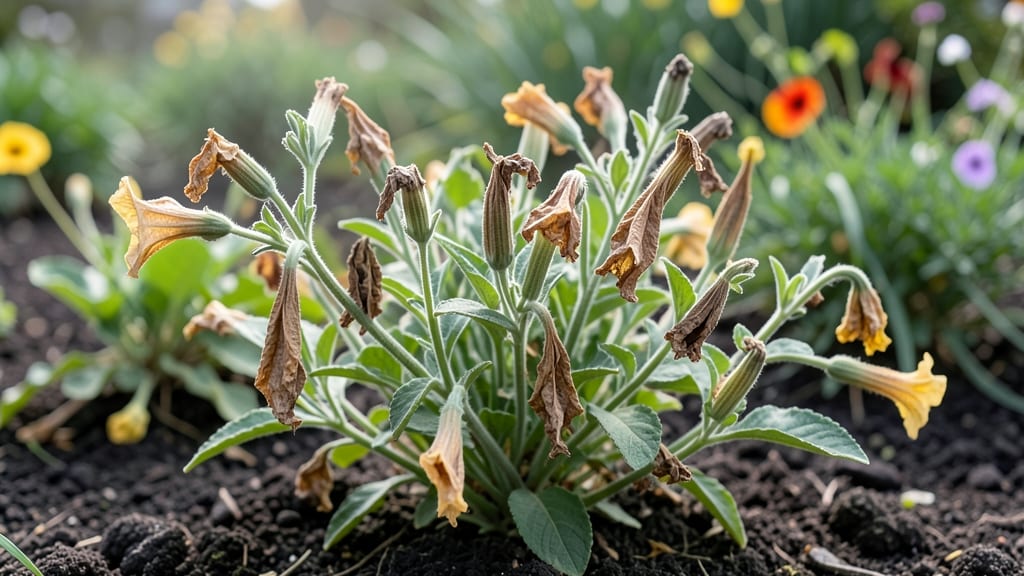
That petunia seed pods image of tiny green bulbs popping up after your petunias bloom is your ticket to next year’s garden. 🌱 I’ve saved seeds from them for years, and they’re easier to collect than you’d think—just watch for the right moment when they turn brown and start splitting open.
Petunia seed pods start as tiny green bulbs behind the flowers, then swell into round, pea-sized capsules. When fully ripe, they turn a dull brown and crack open like tiny jack-o'-lanterns, releasing seeds that look like tiny black specks.
The best time to harvest is when about half the pods have split—usually in late summer or early fall, depending on your climate.
Collecting them is simple: just shake the seeds into a paper bag or envelope, label it with the variety (if possible), and store it in a cool, dry place. These seeds stay viable for about a year, so you’ll have fresh petunias blooming again without buying new plants.
The first time I did this, I was shocked at how easy it was—and how much money I saved.
If you’re growing from seed, expect germination in about 10-14 days with warmth and moisture. Just don’t expect the same exact colors as the parent plants—petunia seeds often produce a mix of hues, which can be a fun surprise.
For best results, start seeds indoors 6-8 weeks before your last frost date.
📚 In This Guide
- What you need
- Instructions
- Tips and common mistakes
- Wrapping up and next steps
What you need
- ● Petunia plants – Mature plants with fully dried seed pods (look for brown, papery pods that are starting to split open).
- ● Pruning shears or scissors – Sharp, clean tools to snip pods without damaging the stems.
- ● Paper towels or newspaper – For gently separating seeds from pods (if harvesting).
- ● Small paper bags or envelopes – To store seeds in a dry, cool place (e.g., 10-15 pods per bag).
- ● Camera or smartphone – With a macro or close-up setting for detailed images (or a macro lens attachment for extra clarity).
- ● Natural light source – A bright window or outdoor setting (avoid harsh midday sun for shadows).
- ● White or neutral-colored background – A sheet, foam board, or even a white wall to make pods pop in photos.
- ○ Soft paintbrush (optional but helpful) – For gently brushing seeds out of pods if needed.
- ● Tripod or stable surface – For steady, blur-free shots.
- ● Diffuser or reflector – To soften light and reduce glare on the pods.
- ● Magnifying glass – For inspecting seed viability or capturing ultra-close details.
- ● Labeling tags – To mark seed varieties if saving for future planting.
- ● Desiccant packets – For long-term seed storage (keeps moisture out!).
How to save petunia seeds from dried pods for next season
Here’s how I collect and store petunia seeds—no fancy tools, just patience and a little know-how.
🌱 Step 1: Let Pods Dry Fully on the Plant
Leave the dried petunia pods on the plant until they turn a deep brown and begin to split open naturally. This usually takes 4-6 weeks after flowering ends. The pods will look papery and crisp, almost like tiny brown balloons ready to burst. If you pick them too soon, the seeds inside won’t be mature enough to grow.
I like to check them weekly after the last blooms fade. Gently squeeze a pod—if it crumbles easily, it’s ready. If it’s still firm, wait a few more days. The key is letting nature do the work; forcing pods to open too early weakens seed viability.
💧 Step 2: Harvest and Extract Seeds
Once the pods are fully dry, place them in a paper bag and seal it loosely. Shake the bag gently or let it sit for a day—the pods will pop open on their own, releasing tiny black seeds. This is the fun part! You’ll see a cloud of dusty seeds inside the bag, mixed with bits of dried pod material.
To clean the seeds, I spread them on a clean white paper towel and use a soft paintbrush to separate them from the chaff. A fine-mesh strainer works too—just rinse under lukewarm water and let them dry completely. Store the seeds in a small envelope labeled with the petunia variety and the harvest date.
⏰ Step 3: Store Seeds Properly for Germination
Petunia seeds need a cool, dry environment to stay viable. I keep mine in a sealed envelope inside a small glass jar with a packet of silica gel (the kind that comes with electronics). This absorbs excess moisture and prevents mold. Store the jar in a dark, cool place like a pantry or refrigerator—40-50°F is ideal.
Seeds stored this way can last 2-3 years, though germination rates drop after the first year. Check the envelope every few months to ensure the silica gel stays blue (if it turns pink, replace it). When spring rolls around, you’ll have fresh petunias ready to grow without buying new seeds!
☀️ Step 4: Prepare Seeds for Spring Planting
In early spring, fill small seed trays with moistened seed-starting mix (about ¼ inch deep per cell). Sprinkle the tiny petunia seeds on the surface—don’t bury them, as they need light to germinate. Lightly mist the soil until damp, then cover the tray with plastic wrap to retain moisture. Place it in a warm spot (70-75°F) until sprouts appear in 10-14 days.
Once seedlings emerge, remove the plastic wrap and move them to a sunny windowsill or under grow lights. Thin seedlings to one per cell when they have 2-3 true leaves—this prevents overcrowding. Petunias grow fast, so keep the soil consistently moist but not soggy. You’ll see blooms in 8-10 weeks if you start them early!
Tips & tricks for perfect petunia seed pod harvesting
Here's what nobody tells you about getting the most from your petunia seed pods—tricks that'll make all the difference between viable seeds and wasted effort.
Timing is Everything: Those 4-6 weeks of drying time are non-negotiable. I learned this the hard way after trying to harvest seeds too soon—immature seeds won't germinate. The pods need to be completely brown and papery crisp before you even think about harvesting. If you're in doubt, wait an extra week rather than rushing the process. The extra time ensures maximum seed viability and stronger plants next season.
Harvest Technique: The paper bag method works wonders because it creates a controlled environment where the pods can open naturally. I've tried shaking them directly over a surface, but the seeds mix with too much chaff. The bag method collects everything neatly. Pro tip: Place the bag in a sunny windowsill for a day—this helps the pods open faster without damaging the delicate seeds.
Storage Wisdom: The 40-50°F temperature range is crucial for long-term seed storage. I store my jars in the back of the refrigerator where it stays consistently cool. The silica gel packets are a game-changer—they keep seeds dry and prevent mold. I check them every 3 months because once that gel turns pink, it's no longer effective. This simple step extends your seeds' life from 1-2 years to potentially 3 years of viability.
Pro Tips for Petunia Seed Pods Image
- Here's what nobody tells you about getting the most from your petunia seed pods—tricks that'll make all the difference between viable seeds and wasted effort.
- Timing is Everything: Those 4-6 weeks of drying time are non-negotiable.
- Harvest Technique: The paper bag method works wonders because it creates a controlled environment where the pods can open naturally.
Frequently asked questions
Got questions about those fascinating petunia seed pods? You’re not alone! Here are some of the most common queries—plus quick, practical answers to help you master the process.
When should I harvest petunia seed pods?
Harvest seed pods when they turn brown and dry but before they split open (usually late summer to early fall). If left too long, seeds scatter everywhere—making collection messy! Gently twist or cut open pods with clean scissors for easy access.
How long does it take for petunia seed pods to dry?
Drying time varies by climate, but count on 2–4 weeks indoors (place pods in a paper bag with holes for airflow). In humid weather, speed it up with a fan on low or a warm, dry spot. Patience pays off—rushing risks moldy seeds!
Can I save seeds from hybrid petunias?
Probably not! Most hybrid petunias (like ‘Wave’ or ‘Supertunia’) produce sterile seeds or plants that don’t match the parent. For true-to-type blooms, stick to heirloom or open-pollinated varieties labeled “seed-saving friendly.” Check the tag!
Why won’t my petunia seed pods open?
If pods stay green or closed, it’s often due to humidity, pests (like aphids), or poor pollination. Try these fixes:
Once dry, remove seeds from pods and store them in a paper envelope (not plastic!) in a cool, dark place (like a fridge). Label with the variety and date—seeds stay viable for 2–3 years if kept dry. Pro tip: Add a silica gel packet to absorb moisture!
Deadhead spent blooms to redirect energy to pod development.
How do I store petunia seeds for next year?
Wrapping up and next steps
Capturing the beauty of petunia seed pods isn’t just a gardening task—it’s a promise for next year’s vibrant blooms! 🌸 Whether you’re preserving dried pods for seed collection or simply admiring their unique structure, understanding their lifecycle makes gardening even more rewarding.
Now that you’re equipped with the know-how, why not share your finds with fellow plant lovers or experiment with seed-saving techniques?
Ready to take the next step? Start a seed journal or tag us in your petunia pod photos—let’s grow this passion together! 🌱