
Propagation
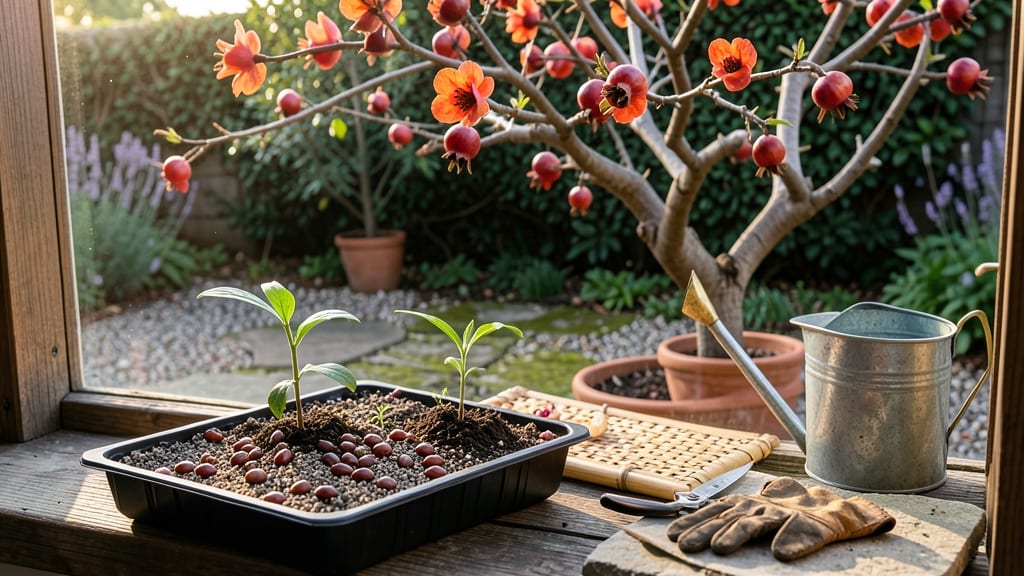
Growing pomegranates from seed to fruit is the ultimate patience test—until you taste that first ruby burst of juice. 🌱 I’ve turned my kitchen scraps into thriving trees, and the key is knowing when to rush (never) and when to wait (often).
The journey starts with a seed that might take 3-5 years to fruit, but the payoff—juicy, antioxidant-packed pomegranates—is worth every season of waiting.
The real secret isn’t fancy tools—it’s sunlight, well-draining soil, and a little winter chill. Start seeds indoors in spring, transplant outdoors after frost, and give them a spot with 6-8 hours of sun daily.
Prune in late winter to shape the tree and encourage fruit production, but avoid heavy cuts—pomegranates reward gentle care with bold blooms and heavy fruit.
By year three, you’ll see your first flowers, and if pollinators visit, tiny fruits will form. Protect them from birds (they love ripe pomegranates too!) and watch as they swell into 3-6 inch globes by fall.
The first harvest might be small, but each year after, your tree will reward you with more—enough to share, juice, or bake with.
This isn’t a quick harvest, but it’s a rewarding one. Whether you’re growing in pots or planting directly in the ground, the process teaches you to slow down and savor the journey. Here’s how to make every step count—from that first sprout to your first homegrown pomegranate.
📚 In This Guide
- What you need
- Instructions
- Tips and common mistakes
- Wrapping up and next steps
What you need
- ● Pomegranate seeds: 3–5 fresh, plump seeds from a ripe pomegranate (organic or store-bought). Tip: Avoid seeds from hybrid varieties—they may not produce true fruit!
- ● Well-draining potting mix: 1–2 gallons of a blend designed for citrus or cacti (e.g., 60% peat/coir, 30% perlite, 10% sand). Pro tip: Sterilize soil to prevent fungal issues!
- ● Containers: 1–2 small pots (4–6 inches wide) for germination.
- ● 1 larger pot (12+ inches wide) for mature plants (pomegranates need room to grow!).
- ● Grow lights or sunny windowsill: A south-facing window (6+ hours of sunlight) or a full-spectrum LED grow light (12–14 hours/day for seedlings).
- ● Watering can with a fine rose: For gentle hydration (overwatering is the #1 killer of young seedlings!).
- ● Fertilizer: Balanced liquid fertilizer (10-10-10 or 20-20-20) diluted to half-strength for seedlings.
- ● Pruning shears: Small, sharp pair for trimming leggy growth.
- ● Seed-starting kit: Includes heat mats (70–80°F ideal for germination) and humidity domes.
- ● Mulch: Organic mulch (straw or bark) to retain moisture and regulate soil temp.
- ● pH test kit: Pomegranates thrive in slightly acidic soil (pH 6.0–7.0).
- ● Support stakes: For training young trees (especially in windy areas).
- ● Pollination aid: A small paintbrush to hand-pollinate flowers if bees are scarce.
Step-by-step instructions for growing pomegranates from seed to fruit
Here's how to transform a single seed into a thriving pomegranate tree that will bear fruit in just a few years.
🌱 Step 1: Stratify and Germinate the Seeds
Start by extracting seeds from a fresh, organic pomegranate—avoid those treated with preservatives. Rinse the seeds clean and spread them on a damp paper towel in a sealed container. Place this in your refrigerator for 90-120 days to complete cold stratification, a critical step that mimics winter conditions and breaks seed dormancy.
After stratification, plant the seeds ¼ inch deep in a small pot filled with sterile seed-starting mix. Keep the soil consistently moist (not soggy) and place the pot in a warm spot (70-75°F). Germination can take 2-6 weeks—patience is key here. Once sprouts appear, move the pot to a sunny windowsill or under a grow light for 14-16 hours daily to prevent leggy growth.
🌿 Step 2: Nurture Seedlings Through the First Year
When seedlings develop their second set of true leaves (not the initial seed leaves), transplant them into 4-inch pots with fresh well-draining potting mix. Pomegranates hate soggy roots, so ensure your pots have drainage holes. Keep the soil lightly moist—water when the top inch feels dry—and fertilize lightly with a balanced liquid fertilizer (10-10-10) diluted to half strength every 4-6 weeks starting in spring.
By the end of the first year, your seedlings should be 12-18 inches tall with a sturdy stem. If they outgrow their pots, move them to 6-inch containers to support continued growth. Prune leggy or weak stems to encourage bushier growth—this is the time to shape their structure.
☀️ Step 3: Transition to Outdoor Growing Conditions
Once the last frost has passed and temperatures consistently stay above 50°F, acclimate your pomegranate seedlings to outdoor life. Start by placing them in a sheltered, shaded spot for 2-3 hours daily, gradually increasing their time outside over 7-10 days. After a week of full-day outdoor exposure, transplant them into the ground or larger 1-gallon containers—pomegranates thrive in full sun and well-draining soil.
Choose a sunny location with at least 6-8 hours of direct sunlight and soil that drains quickly. Amend heavy or clay soil with compost or sand to improve drainage. Water deeply once a week (or more in extreme heat) to encourage deep root growth. Mulch around the base with 2-3 inches of organic mulch to retain moisture and regulate soil temperature.
⏰ Step 4: Care for Young Trees and Encourage Blooming
In their second year, your pomegranate trees will focus on establishing roots and branches. Prune in late winter or early spring to remove dead or crossing branches, and thin out crowded growth to improve airflow. Fertilize in early spring with a low-nitrogen, high-phosphorus fertilizer (like 5-10-10) to encourage flowering. Pomegranates are self-pollinating, but a gentle shake of the branches during bloom time can increase fruit set.
Watch for white or pink flowers in late spring or early summer—this is your first sign that fruit development is underway. While your tree won’t bear full-sized fruit until year 3 or 4, you’ll see small, immature pomegranates forming. Protect young fruit from pests like aphids or fruit flies with neem oil sprays if needed. Keep the soil consistently moist but not waterlogged, as drought stress can reduce fruit production.
🍇 Step 5: Harvest and Overwinter for Long-Term Success
Pomegranates typically mature in late fall, when the rind turns a deep red and feels slightly leathery. Harvest by cutting the fruit from the tree with a clean pair of pruners, leaving a short stem attached. Store harvested pomegranates in a cool, dry place for up to 2 months—they’ll ripen further off the tree. To extract seeds, roll the fruit firmly on a counter or place it in a bowl of water and break it open.
As winter approaches, protect young trees from freezing temperatures (below 15°F) with burlap wraps or frost cloth. Mature pomegranates can tolerate down to 10°F, but young trees benefit from extra insulation. Prune again in late winter to remove any dead or diseased wood and shape the tree for the coming season. With consistent care, your pomegranate tree will reward you with year-round harvests for decades.
Tips & tricks for growing pomegranates from seed to fruit
Here's what I've learned from years of growing these beautiful fruit trees—avoid these common pitfalls for the best results.
Cold Stratification is Non-Negotiable: That 90-120 day refrigerator period isn't optional—it mimics winter conditions and breaks seed dormancy. I once skipped this step and waited months for germination. Use a small plastic bag with damp paper towels to keep seeds from drying out during stratification, and check them weekly to ensure they stay moist but not wet. The seeds should look plump and firm, not shriveled.
Lighting Makes All the Difference: After germination, those 14-16 hours of daily light are crucial for preventing leggy seedlings. I recommend using a full-spectrum grow light placed about 6 inches above the seedlings. If using a sunny windowsill, rotate the pot daily so all sides get equal light exposure. Leggy seedlings indicate insufficient light—address this early or you'll struggle with weak plants later.
Soil Drainage is Critical: Pomegranates absolutely hate soggy roots, so your well-draining potting mix and containers with drainage holes are essential. I've seen many growers use regular potting soil and end up with root rot. For containers, terracotta pots are excellent because they breathe better than plastic. When transplanting outdoors, amend heavy clay soil with compost and sand to create that perfect drainage environment.
Acclimation Prevents Shock: The gradual 7-10 day outdoor transition is where many growers make mistakes. I've seen seedlings wilt dramatically when moved too quickly to full sun. Start with just 2-3 hours of morning sun in a sheltered spot, then gradually increase exposure. Watch for wilting—if you see it, move the seedlings back indoors for another day of shorter exposure. This slow process hardens them off properly.
Pro Tips for Pomegranate From Seed To Fruit
- Here's what I've learned from years of growing these beautiful fruit trees—avoid these common pitfalls for the best results.
- Cold Stratification is Non-Negotiable: That 90-120 day refrigerator period isn't optional—it mimics winter conditions and breaks seed dormancy.
- Lighting Makes All the Difference: After germination, those 14-16 hours of daily light are crucial for preventing leggy seedlings.
Frequently asked questions
Got questions about growing pomegranates from seed? Here are some of the most common ones—and their answers—to help you cultivate your own ruby-red harvest!
How long does it take for a pomegranate seed to sprout?
A pomegranate seed typically sprouts within 2–4 weeks if kept in warm, moist conditions (70–80°F). Patience is key—some seeds may take up to 6 weeks to crack open. Avoid overwatering; soggy soil can cause rot. Once sprouted, seedlings grow slowly at first but will start showing true leaves in 6–8 weeks.
When will my pomegranate tree produce fruit?
Pomegranate trees grown from seed are notoriously slow—expect fruit in 5–7 years (or longer!). For faster results, graft a mature variety onto your seedling or buy a grafted tree. Even then, fruit production depends on climate, sunlight (full sun!), and winter chilling hours (200–400 hours below 45°F).
Can pomegranate trees survive cold winters?
Most pomegranate varieties tolerate 15–25°F without issues, but extreme cold (<10°F) can damage young trees or fruit. In USDA Zones 7–11, they thrive outdoors. In colder zones, grow in containers and move indoors during winter or use mulch and windbreaks. Dwarf varieties (like ‘Wonderful’) are hardier and better for pots.
Why aren’t my pomegranate flowers turning into fruit?
No fruit? Check these common culprits:
- Pollination issues: Pomegranates are self-pollinating but benefit from bees or gentle hand-pollination (use a soft brush on flowers).
- Insufficient sunlight: Trees need 6+ hours of direct sun daily—move to a sunnier spot if leaves look pale.
- Young age: Seedlings often flower but drop buds before fruiting. Wait until the tree is 3–5 years old.
- Over-fertilizing: Too much nitrogen = lush leaves, fewer flowers. Use a balanced 10-10-10 fertilizer in early spring.
What can I do if my pomegranate seedling looks weak or leggy?
Leggy seedlings need more light! Move them to a south-facing window or under grow lights (14–16 hours/day). Pinch back the top growth to encourage bushier growth, and repot into well-draining soil (like cactus mix) if roots are crowded. Yellow leaves? Reduce watering—pomegranates hate soggy roots!
Wrapping up and next steps
Growing pomegranates from seed to fruit is a rewarding journey that blends patience with the joy of nurturing life.
From selecting the right seeds to harvesting vibrant, juicy fruits, each step offers lessons in care and connection with nature. You’ve got this! Now that you’re armed with the knowledge, why not plant those seeds today and start your own pomegranate adventure? 🌱🍇
Next Steps:
- Pick your favorite pomegranate seeds and begin the process!
- Join gardening communities for tips and inspiration.
- Document your progress—it’s a fun way to track growth!