
Propagation
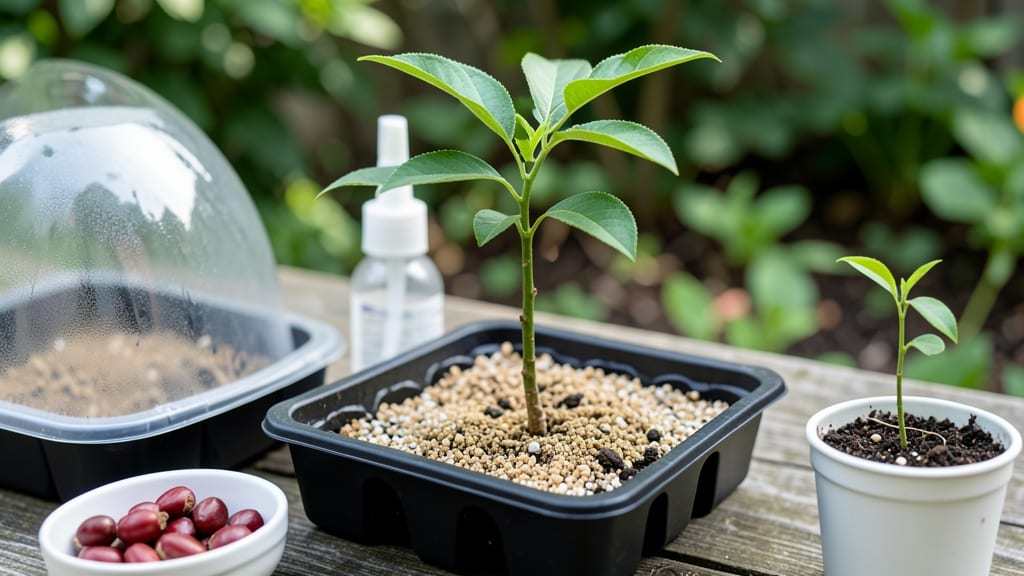
Pomegranate seed propagation might seem odd at first—twisting a seed to test its viability—but it’s the fastest way to know which ones will sprout. 🌱 I’ve propagated dozens of pomegranate trees this way, and the method saves time—and frustration—when only a fraction of seeds germinate naturally. The key is patience; these seeds take 4-6 weeks to crack open, but once they do, you’re on your way to a sun-loving tree that thrives in heat and drought.
Start by extracting seeds from ripe fruit, then soak them in water for 24 hours to soften the outer coating. Plant them just below the soil surface in a well-draining mix—think 50% potting soil and 50% perlite or sand.
Keep the soil moist (not soggy) and place the container in a warm spot with bright, indirect light. A clear plastic bag over the pot creates a mini greenhouse, speeding up germination.
What you’ll end up with are sturdy seedlings ready for transplanting in 3-4 months. The first leaves are tiny but vibrant, and the roots grow surprisingly fast once they break through the shell.
These trees handle pruning like pros, so you can shape them early—just avoid heavy trimming until they’re established.
Works best in zones 7-11, but with a little extra warmth (like a heat mat), you can coax germination in cooler climates too. The twist test isn’t just a trick—it’s your first step toward a tree that’ll reward you with bold red fruit in 3-5 years.
Let’s get those seeds planted!
📚 In This Guide
- What you need
- Instructions
- Tips and common mistakes
- Wrapping up and next steps
What you need
- ● Pomegranate seeds: 10–20 fresh, plump seeds (harvested from a ripe, organic pomegranate—avoid store-bought seeds if possible, as they may be treated to prevent germination).
- ○ Small pots or seed trays: 2–3 (3–4 inches in diameter) with drainage holes. Optional: Biodegradable peat pots for easy transplanting.
- ● Well-draining potting mix: 2–3 cups of a blend designed for seeds or seedlings (e.g., 50% perlite, 30% coconut coir, 20% compost). Pro tip: Sterilize the mix by baking it at 200°F (93°C) for 30 minutes to kill pathogens!
- ● Plastic wrap or clear lid: To create a mini greenhouse effect (e.g., a cut-open water bottle or a humidity dome).
- ● Spray bottle: With water (room temperature) for gentle misting.
- ○ Grow lights or sunny windowsill: A south-facing window or a 12–16 hour LED grow light (optional but helpful for consistent growth).
- ● Twist tie or rubber band: To secure the plastic wrap in place.
- ● Patience and a warm spot: Pomegranate seeds thrive in temperatures between 70–85°F (21–29°C)—think indoor warmth or a greenhouse!
- ● Seed stratification kit: If your climate is cool, a simple DIY setup (e.g., a damp paper towel in a sealed bag in the fridge for 4–6 weeks) can boost germination rates.
- ● Rooting hormone: A dab can encourage faster root development when transplanting seedlings.
- ● Soil moisture meter: To monitor moisture levels without overwatering.
- ● Label markers: To track seed varieties or planting dates (especially useful if testing multiple seeds!).
Step-by-step instructions for pomegranate seed propagation
Here's how I've successfully sprouted pomegranate trees from seed—no fancy tools, just patience and a few key tricks.
🌱 Step 1: Extract and Prepare the Seeds
Cut open a fresh pomegranate and scoop out the seeds, but don’t rinse them yet. I like to leave them in the juicy pulp for 24 hours—this helps soften the hard outer coating. After that, soak the seeds in warm water for 12-24 hours to speed up germination. The longer they soak, the faster they’ll sprout, but don’t let them dry out.
Once soaked, spread the seeds on a paper towel and let them dry slightly for 1-2 hours. This prevents mold when you plant them. I always test a few seeds by twisting them gently—if they feel slightly soft and crack under pressure, they’re ready. If they’re still rock-hard, soak them another 4-6 hours.
💧 Step 2: Plant the Seeds in Moist Potting Mix
Fill small pots or seed trays with well-draining potting mix—I use a blend of 50% potting soil and 50% perlite to prevent rot. Moisten the mix until it’s damp but not soggy, then plant the seeds ½ inch deep, spacing them about 1 inch apart. Gently press the soil around them to ensure good contact.
Place the pots in a warm spot, ideally 70-80°F. I keep mine on top of my fridge or near a sunny window. Cover the pots with plastic wrap or a humidity dome to trap moisture—this mimics the tropical conditions pomegranate seeds love. Check daily for condensation; if the soil feels dry, mist it lightly with water.
☀️ Step 3: Provide Warmth and Light for Germination
Pomegranate seeds can take 2-4 weeks to germinate, so patience is key. Keep the soil consistently moist but never waterlogged—overwatering is the #1 killer of young seeds. Once you see tiny green sprouts breaking through the soil, remove the plastic wrap immediately to prevent fungal growth.
Move the seedlings to a bright spot with indirect sunlight—direct sun can scorch delicate young leaves. If using a grow light, position it 4-6 inches above the seedlings and provide 12-14 hours of light daily. You’ll know they’re getting enough light when the leaves are vibrant green and the stems are sturdy, not leggy.
🌿 Step 4: Thin and Transplant Seedlings
When seedlings reach 2-3 inches tall and have 2-3 sets of true leaves, it’s time to thin them. Carefully remove the weakest seedlings, leaving the strongest one in each pot. If you’re growing multiple seeds in one pot, transplant them into individual 4-inch pots to give their roots room to grow.
Use the same well-draining mix and water lightly after transplanting. Harden off the seedlings by placing them outside in a shaded area for 1-2 hours daily over 1 week. Gradually increase their time outside until they can handle full sun. By late spring, they’ll be ready to move to larger containers or the ground if you’re in a warm climate.
⏰ Step 5: Care for Young Trees Through the First Year
Pomegranate seedlings grow slowly at first, so don’t rush them. Water deeply once a week, letting the soil dry out slightly between waterings. Overwatering causes root rot, which is fatal for young trees. Fertilize lightly with a balanced 10-10-10 fertilizer every 4-6 weeks during the growing season.
Watch for signs of stress like yellowing leaves or wilting—these usually mean either too much water or not enough. By their first winter, your seedlings should be 1-2 feet tall. If you’re in a cold climate, bring them indoors near a sunny window or grow light until spring. With time, they’ll reward you with fruit in 3-5 years—worth every step!
Tips & tricks for perfect pomegranate seed propagation
Here's the secret to turning those ruby seeds into thriving saplings—tricks I've learned after testing dozens of batches.
Seed Viability Test: Before planting all your seeds, do this quick check: Take a small handful of soaked seeds and twist them gently between your fingers. If they feel slightly soft and crack under pressure (like a ripe avocado pit), they're ready to plant. If they're still rock-hard, soak them another 4-6 hours—this is the key to avoiding wasted effort with non-viable seeds. I've found that seeds from fully ripe pomegranates (deep red, heavy for their size) have the highest success rate.
Soaking Strategy: That 12-24 hour warm water soak is non-negotiable for breaking the seed's hard shell, but here's the pro move: Use filtered water, not tap water. Chlorine can inhibit germination. I like to add a drop of dish soap to the water (just a drop!) to help soften the seed coats faster. After soaking, drain them thoroughly—waterlogged seeds won't sprout, they'll rot. Spread them on a clean paper towel and let them air dry for those 1-2 hours.
Germination Environment: The 70-80°F temperature range is ideal, but don't stress if your home runs cooler. Place your pots on top of your fridge or near a heat vent—just avoid cold drafts. For humidity, I've had great success using clear plastic bags with tiny holes punched in them instead of plastic wrap. This creates a mini greenhouse effect while allowing airflow to prevent mold. Check daily and remove the bag as soon as you see sprouts—this prevents fungal growth that can kill young seedlings.
Light Transition: When moving seedlings to indirect sunlight after germination, start with just 2-3 hours of morning sun. Pomegranate seedlings are sensitive to sudden sun exposure. I place mine near an east-facing window where they get gentle morning light. If using grow lights, keep them 4-6 inches away—they should be bright enough to cast a slight shadow on the seedlings. Too close and you'll burn the delicate leaves; too far and they'll stretch leggy.
Pro Tips for Pomegranate Seed Propagation
- Here's the secret to turning those ruby seeds into thriving saplings—tricks I've learned after testing dozens of batches.
- Seed Viability Test: Before planting all your seeds, do this quick check: Take a small handful of soaked seeds and twist them gently between your fingers.
- Soaking Strategy: That 12-24 hour warm water soak is non-negotiable for breaking the seed's hard shell, but here's the pro move: Use filtered water, not tap water.
Frequently asked questions
Got questions about growing pomegranates from seeds? You’re not alone! Here are some of the most common queries—and their answers—to help you get started on your propagation journey.
How long does it take for pomegranate seeds to sprout?
Patience is key! Most pomegranate seeds sprout within 2–4 weeks when kept in warm, moist conditions (around 70–80°F). Some stubborn seeds may take up to 6–8 weeks. Keep the soil consistently damp but not soggy—consistency is critical! If you don’t see sprouts in 8 weeks, the seeds may not be viable.
Can I use store-bought pomegranate seeds for propagation?
Yes, but with a catch! Store-bought seeds are often treated to prevent sprouting (to keep fruit fresh longer). Try the float test: Drop seeds in water—if they sink, they’re likely viable. If they float, they’re probably treated. For best results, use seeds from organic or fresh pomegranates (like those from your own tree or farmers' markets).
When is the best time to plant pomegranate seeds indoors?
The ideal window is late winter to early spring (February–March), so seedlings have 6–8 months to grow before transplanting outdoors in fall. If you start later, just ensure your seedlings get bright, indirect light (a south-facing window or grow lights) and keep temps above 50°F to avoid stunted growth.
What do I do if my pomegranate seedling grows leaves but no roots?
This usually means the seedling is top-heavy or the roots aren’t established yet. Gently check for roots by tilting the pot—if you see resistance, roots are forming! If not, try bottom watering (place the pot in 1 inch of water for 10–15 minutes) to encourage root growth. Avoid overwatering, which can rot delicate roots.
Will pomegranate trees grown from seeds produce fruit?
Yes, but it’ll take 5–7 years (or longer) for seed-grown trees to bear fruit—patience is a virtue! Seedlings may also produce smaller, less sweet fruit than grafted trees. If you’re eager for faster results, consider grafting a desirable variety onto your seedling later. For now, enjoy the journey—your future tree will thank you!
Wrapping up and next steps
Propagating pomegranate seeds is a rewarding way to grow your own fruit trees—just remember, patience and the twist test are your best friends! 🌱 Whether you’re a gardening novice or a seasoned green thumb, this method opens the door to vibrant, homegrown pomegranates in just a few seasons. Now that you’re armed with the know-how, why not start with a few seeds today? Grab a pot, some soil, and let nature do the rest—your future pomegranate grove awaits!
- Next step: Pick your seeds and begin the twist-test journey!