
Lawn
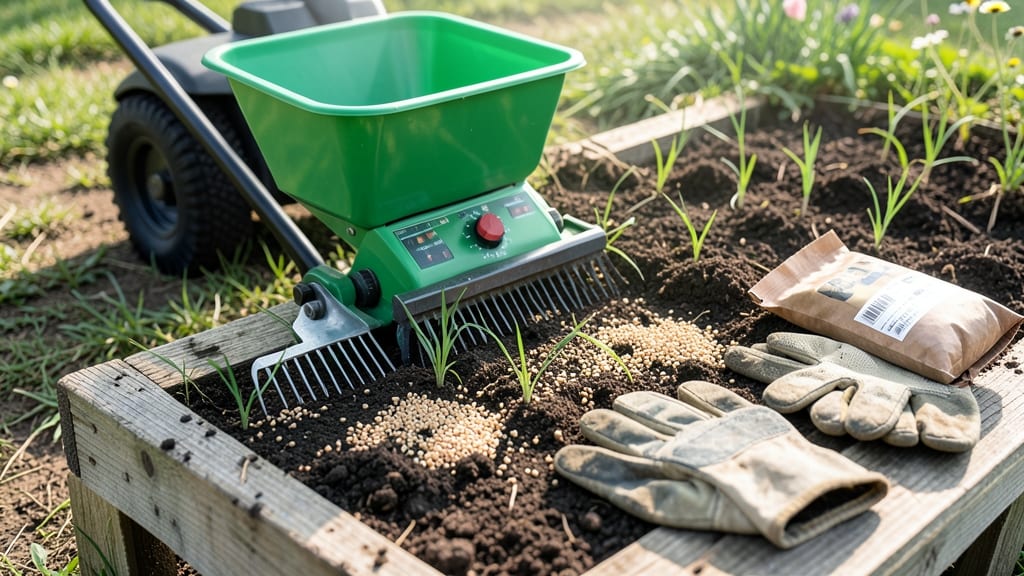
Fall reseed grass when soil stays warm and weeds slow down—your lawn’s best chance for thick, frost-resistant roots before winter.
I’ve reseeded my patchy yard every autumn for five years, and the difference between a sparse spring lawn and a lush one starts with these 45 days of fall prep. The secret?
Cool weather means seeds germinate steadily without drying out, and established grass crowds out weeds before they sprout.
You’ll need a rake, seed (cool-season types like Kentucky bluegrass or fescue), compost, and a sprinkler. Skip the fancy tools—just clear debris, loosen soil lightly, and scatter seed evenly.
My biggest mistake? Skipping the soil test—turns out my yard needed lime to raise the pH. A quick test at the extension office saved me from wasted seed.
After sowing, keep the area moist like a wrung-out sponge—no puddles, just damp. Within 10-14 days, you’ll see sprouts pushing through, and by first frost, they’ll be strong enough to survive winter. The payoff? A lawn that greens up earlier in spring and stays dense all season.
Works for sunny patches, shady corners, or even small repair jobs. Here’s how to time it right for your zone—no more guessing whether you’re too early or too late. Let’s get those roots growing!
📚 In This Guide
- What you need
- Instructions
- Tips and common mistakes
- Wrapping up and next steps
What you need
- ● Seeds: 10–20 lbs of cool-season grass seed (e.g., fescue, ryegrass, or bluegrass) per 1,000 sq. ft. (Check your region’s best mix!)
- ○ Optional: Wildflower or clover seed (5–10% of total) for pollinator-friendly lawns.
- ● Soil Prep: Garden rake or dethatching tool (for loosening thatch or debris).
- ● Lawn aerator (manual or rental) to create ½-inch deep holes (spaced 3–4 inches apart).
- ● Fertilizer: Starter fertilizer (high in phosphorus, e.g., 5-10-10 or 10-20-20 ratio). (Apply ½ lb per 100 sq. ft.)
- ● Topdressing: Compost or peat moss (¼-inch layer) to improve seed-to-soil contact.
- ● Watering Supplies: Hose with fine mist nozzle or sprinkler (adjust for gentle, frequent watering).
- ○ Optional: Rain gauge to track moisture (aim for ¼–½ inch/day).
- ● Wait until soil temps drop to 60–75°F (ideal: 60–70°F). (Check local forecasts!)
- ● Reseed 4–6 weeks before first frost (typically late August–October in most U.S. zones).
- ● Choose a dry, wind-free day for seed application.
Step-by-Step instructions for fall reseeding grass
Here’s how to establish thick, frost-hardy lawns before winter sets in—no guesswork, just proven timing and technique.
🌱 Step 1: Prepare the Soil for Optimal Seed Contact
Start by mowing the lawn as short as possible—about 1 inch—to expose bare soil and remove dead growth. This isn’t just about visibility; seedlings need direct contact with soil to germinate properly. After mowing, use a stiff rake to loosen the top ¼ inch of soil, breaking up any crust or compacted areas. You’re creating a seed bed, not tilling deeply.
If your lawn has bare patches, lightly scratch the soil with a hand rake to mimic natural seed dispersal. The goal is to create a rough, textured surface—this helps seeds stay in place rather than washing away during watering. Avoid overworking the soil; you’re not planting a vegetable garden, just giving grass seeds a chance to root.
💧 Step 2: Spread Seed Evenly and Lightly Cover
Use a broadcast spreader set to the recommended rate for your grass type—typically 5-10 pounds per 1,000 square feet—and walk in a crisscross pattern to ensure even coverage. For small areas, hand-scatter seeds, but don’t let them pile up; thick clumps can lead to uneven germination. I like to spread half the seed in one direction, then the other half perpendicular to avoid missed spots.
After seeding, lightly cover with a thin layer of soil or compost using a rake. The coverage should be no deeper than ¼ inch—any more and the seeds may struggle to push through. This step is critical: too much soil smothers seeds, while too little leaves them vulnerable to drying out or bird scatter. A gentle misting afterward helps settle everything without disturbing the seeds.
☀️ Step 3: Water Consistently for Germination
Water immediately after seeding, and keep the soil uniformly moist for the first 2-3 weeks. This means light, frequent watering—about ¼ inch per day—rather than deep soakings. Use a sprinkler with fine mist settings to avoid displacing seeds. You’ll know you’re doing it right when the top inch of soil stays damp but not soggy; puddles mean you’re overwatering.
Morning watering is ideal because it allows moisture to penetrate before the heat of the day evaporates it. Avoid watering in the evening, as damp grass overnight invites fungal diseases. Once the grass reaches 2-3 inches tall, you can gradually reduce watering to 1 inch per week, letting the roots seek deeper moisture—a key step toward frost resistance.
✂️ Step 4: Maintain and Protect New Growth
After germination, resist the urge to mow until the new grass reaches 3-4 inches tall. This height ensures the roots are deep enough to withstand light frosts. When you do mow, set the blade to 3 inches and never remove more than ⅓ of the blade height at once. Scalping weakens new growth and stresses the roots before winter.
Apply a light layer of mulch or straw over seeded areas if your region experiences early frosts. This acts as an insulator, protecting tender seedlings from temperature swings. Avoid heavy mulch, which can smother growth; a ¼-inch layer is plenty. By late fall, your new grass should be established enough to handle light frosts, setting the stage for a lush spring lawn.
Tips & tricks for perfect fall grass reseeding
A few key strategies will help you avoid the most common pitfalls and get your lawn off to the strongest start before winter.
Soil Prep Secret: In Step 1, when you're loosening that top ¼ inch of soil, focus on breaking up any hardpan or compaction—this is where most seedlings fail to establish. I use a garden fork to gently poke holes in compacted areas after raking, which mimics natural aeration. The goal is to create a loose, crumbly texture that seeds can snuggle into without resistance. Think of it like fluffing a pillow for your grass babies to settle into comfortably.
Seed Distribution Technique: For Step 2, the crisscross method isn't just about coverage—it's about creating a natural-looking pattern that mimics how seeds would disperse in nature. Walk slowly and overlap your passes by about 6 inches to avoid streaks. I've seen people double their seed usage because they missed spots with the first pass. Pro tip: If you're seeding a large area, mark a 10-foot grid with spray paint first to ensure you don't miss sections.
Watering Wisdom: During the critical 2-3 week germination period in Step 3, consistency is everything. I set a timer for my sprinkler to run for exactly 15 minutes every morning—this delivers about that ¼ inch of water without overdoing it. The key is to keep the top inch damp, not soggy. You'll know you're nailing it when you can push your finger into the soil and feel moisture at about 1-inch depth. Evening watering is a no-go—it creates the perfect conditions for fungal diseases to move in.
Frost Protection Strategy: When applying that protective mulch layer in Step 4, consider using straw instead of leaves—leaves can mat down and block sunlight. I like to spread the straw in the late afternoon when temperatures start dropping, giving the grass a head start on insulation. This thin layer acts like a tiny blanket for your seedlings, helping them survive those first light frosts that can be deadly for tender new growth.
Pro Tips for Reseed Grass In Fall
- A few key strategies will help you avoid the most common pitfalls and get your lawn off to the strongest start before...
- Soil Prep Secret: In Step 1, when you're loosening that top ¼ inch of soil, focus on breaking up any hardpan or compa...
- Seed Distribution Technique: For Step 2, the crisscross method isn't just about coverage—it's about creating a natura...
Frequently asked questions
Got questions about reseed grass in the fall? You’re not alone! Here are some of the most common concerns—plus straightforward answers to help you nail your lawn project.
When is the exact best time to reseed in fall?
The sweet spot is 4–6 weeks before your first hard frost—typically late August to early October, depending on your zone. This gives grass seeds time to germinate and develop frost-resistant roots before winter. Check your local frost dates for precision!
What if I miss the fall window—can I reseed in spring?
Spring reseed is possible, but it’s trickier! Seeds compete with weeds, and summer heat can stress young grass. If you must wait, aim for early spring (March–April) and keep soil moist. Fall is still the gold standard for thick, resilient lawns.
Is fall reseed cheaper than spring?
Not necessarily! Seed and fertilizer costs fluctuate, but fall reseed often saves money long-term by reducing weed competition and water needs. Plus, cooler temps mean less irrigation hassle. Think of it as an investment in a healthier lawn next year.
How do I know if my soil is too cold to plant?
Soil should stay above 50°F (10°C) for at least 5–7 days after planting. Use a soil thermometer or dig a small hole—if the soil feels chilly to the touch, wait a few more weeks. Pro tip: Cover seeds lightly with straw to retain warmth!
What if my lawn looks patchy after reseeding?
Patchiness is normal! Thin areas may fill in slowly—avoid walking on new grass for 4–6 weeks. If bare spots persist, consider a topdressing of compost or a second light seeding in early spring. Patience pays off for a lush finish.
Can I reseed over dead grass or do I need to remove it first?
For best results, remove dead grass (rake or dethatch) to improve seed-soil contact. If the dead layer is thin, you can lightly scarify it instead. Healthy soil = happy grass roots!
Wrapping up and next steps
Fall is the perfect time to reseed your grass—cool temperatures and increased rainfall create ideal conditions for strong, frost-resistant roots before winter sets in. 🌱 By following the right steps, you’ll wake up to a lush, vibrant lawn next spring, saving time and effort in the long run.
Ready to transform your yard? Grab your supplies, roll up your sleeves, and get started! Your future lawn will thank you—one seed at a time. 🌟