
Lawn
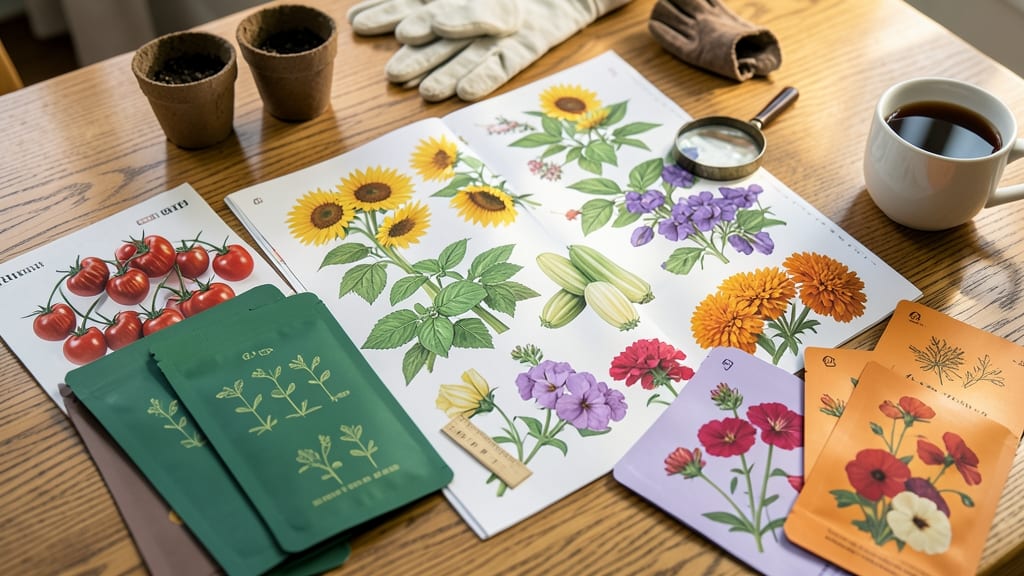
Ordering seeds from 2025 catalogs isn’t just about picking pretty flowers—it’s your secret weapon for a garden that pops with color and thrives all season. 🌸 I’ve used these catalogs for years to plan gardens that feel like a curated masterpiece, not just a random assortment of plants.
The best ones arrive in late winter, packed with varieties you won’t find at your local nursery, from heirloom tomatoes to drought-resistant perennials that save you time and water.
Here’s the thing—those catalogs aren’t just wish lists. They’re your gardening roadmap, telling you exactly when to start seeds indoors, what to plant directly in the ground, and how to stretch your growing season. My favorite trick?
Marking deadlines in my planner so I don’t miss the 6-8 week window for cool-season crops or the 4-6 week head start for warm-season favorites. Pro tip: Look for catalogs with regional planting charts—they’re game-changers for avoiding frost surprises.
What you’ll end up with is a garden that feels intentional, not chaotic. Imagine walking through your yard in June and seeing swaths of vibrant blooms that attract pollinators all day, or rows of vegetables that produce long after store-bought plants have given up.
The catalogs even help you plan for succession planting—so you’re never without fresh herbs or salad greens. It’s like having a gardening GPS for the entire year.
Whether you’re a first-timer or a seasoned grower, this is your chance to level up. Start by comparing catalogs for the best seed quality and customer reviews, then use their planting calendars to sync your garden with your local climate.
By the time spring arrives, you’ll be ready to hit the ground running—with confidence and a foolproof plan. Let’s make next year your best garden yet!
📚 In This Guide
- What you need
- Instructions
- Tips and common mistakes
- Wrapping up and next steps
What you need
- ● Seed catalogs (2025 editions): At least 3-5 catalogs (e.g., Burpee, Baker Creek, Park Seed) for variety and specialization.
- ● Notebook or digital planner: 1 spiral-bound notebook or tablet app (e.g., Gardenize) for tracking orders, deadlines, and plant details.
- ● Highlighters or sticky notes: 2-3 colors to flag must-have seeds, deadlines, and budget-friendly picks.
- ● Ruler or measuring tape: 12-inch ruler for spacing layouts in your notebook.
- ● Pencil or fine-tip pen: For precise notes (avoid ballpoints—they smear!).
- ● Calculator: Smartphone app or physical calculator for budget planning (include shipping costs!).
- ○ Shipping supplies (optional but handy): Sturdy envelopes (5-10) for lightweight seeds.
- ● Priority mailers (2-3) for bulk orders.
- ● Seed-saving envelopes: 10-20 (reusable for future harvests!).
- ● Planting schedule template: Pre-made printable or app (e.g., Garden Planner) to align with your zone’s last frost date.
- ● Ergonomic tools: Blue light glasses (if ordering late-night for deals!).
- ● Wrist rest or gel pad for long catalog-browsing sessions.
- ● Inspiration board: Physical or digital (Pinterest!) for visualizing your garden’s layout.
How to select and order from 2025 seed catalogs for stunning spring gardens
Here’s how to turn those catalog pages into a vibrant, show-stopping spring garden—without the overwhelm!
🌱 Step 1: Identify Your Garden’s Light and Climate Zones
Flip through your catalog and circle plants labeled for your USDA Hardiness Zone (check the map on the USDA website). I always highlight full sun lovers (6+ hours of direct light) in yellow and partial shade plants (3-6 hours) in green—this keeps me from dreaming up a sunbathing fern in a west-facing border.
Next, note your microclimates—the sunny pocket near the house or the shady corner under the tree. Catalogs often include sun/shade requirements, but I double-check with my garden’s real conditions. A bold spring bloom like a peony needs full sun, while bleeding heart thrives in dappled shade. Skipping this step guarantees disappointment when your ‘Black Baccara’ euphorbia wilts instead of thrives.
☀️ Step 2: Prioritize Plants for Seasonal Interest and Height
Spring catalogs are packed with showy annuals and perennials, but not all deliver equal impact. I start by grouping plants by height—tall delphiniums (3-5 feet) go at the back, mid-height columbines (2-3 feet) in the middle, and low pansies (6-12 inches) in front. This creates a natural staircase effect that draws the eye upward.
Next, I mix early bloomers (like crocuses and daffodils) with mid-to-late spring stars (such as peony and iris). This ensures your garden has color from March through May without gaps. Pro tip: Check bloom times in the catalog—some tulips flower in early spring, while others wait until late April. I always order at least 3 varieties to stagger blooms.
💧 Step 3: Match Water Needs to Your Care Routine
Catalogs often label plants as drought-tolerant, moderate, or thirsty, but I cross-reference with my real watering habits. If you’re the type to forget watering until Monday, skip the ‘Royal Purple’ smokebush—it demands consistent moisture. Instead, opt for Russian sage or catmint, which handle weekly deep waterings like champions.
For bold spring blooms, I focus on perennials like lupine and black-eyed Susan, which establish deep roots and need less frequent watering once established. Annuals like snapdragons and sweet peas are thirstier but worth the effort for their season-long color. I make a note of mulch needs too—adding 2-3 inches of mulch after planting saves water and keeps roots cool.
✂️ Step 4: Plan for Maintenance (Yes, Even in Spring!)
Spring is the season for weeding, deadheading, and dividing, so I avoid high-maintenance divas like hydrangeas (which need regular pruning) if I’m not up for monthly garden chores. Instead, I lean on low-maintenance perennials like coneflowers and sedum, which rebloom without fuss and resist pests.
I also check seed packet quantities—some annuals (like cosmos) self-seed prolifically, while others (like sweet peas) need annual replanting. I order extra seeds for self-sowers to ensure next year’s garden isn’t bare. For cutting gardens, I prioritize long-stemmed blooms like dahlias and snapdragons, but I know I’ll need to deadhead weekly to keep them producing.
📦 Step 5: Place Your Order Early and Track Shipments
Seed catalogs often sell out by March, so I place orders by January for the best selection. I always double-check shipping dates—some catalogs (like Burpee or Park Seed) ship as early as November, while others wait until February. I mark my calendar for planting dates based on my last frost date (find yours here).
I also bundle orders by planting time—cool-season crops (like lettuce) go in early spring, while tomatoes and peppers wait until after the last frost. For spring blooms, I prioritize tender perennials (like canterbury bells) that need early starts, while hardy perennials (like peony) can wait until March or April. Pro move: Order extra seeds for trial planting—sometimes a catalog’s photo doesn’t match the real deal!
Tips & tricks for early-bird seed catalog picks
Here's what nobody tells you about making the most of those 2025 seed catalogs—before you order!
Zone Cross-Referencing: Don't just trust the catalog's hardiness zone labels! I always verify with the USDA map and add a buffer—if you're on the edge of Zone 6, order seeds rated for Zone 5 to ensure success. For example, that stunning peony you love might need Zone 4 protection in your Zone 5 garden. Also, check your microclimates—a south-facing wall creates a Zone 8 microclimate even in Zone 5!
Bloom Time Layering: The secret to non-stop spring color is creating a bloom timeline. I create a spreadsheet with early bloomers (like crocuses and daffodils), mid-season stars (such as columbines), and late spring performers (like iris). This ensures your garden never looks bare! For the best results, aim for at least 3 varieties that bloom in each 2-week window from March through May.
Watering Reality Check: Catalogs often label plants as "drought-tolerant," but that doesn't mean they thrive on neglect. I categorize my plants into three watering groups: thirsty annuals (like snapdragons) need consistent moisture, moderate perennials (such as black-eyed Susan) handle weekly deep waterings, and drought-proof plants (like Russian sage) only need water when the soil is bone-dry. I mark these right on my order form!
Maintenance Matching: Spring is busy enough without adding high-maintenance divas to your garden. I avoid hydrangeas if I know I'll forget monthly pruning, and skip delphiniums if I'm not up for deadheading weekly. Instead, I focus on low-fuss perennials like coneflowers that rebloom without attention. For cutting gardens, I limit myself to 2-3 varieties that I'll actually use—no point ordering dahlias if you won't cut them!
Pro Tips for Seed Catalogs 2025
- Here's what nobody tells you about making the most of those 2025 seed catalogs—before you order!
- Zone Cross-Referencing: Don't just trust the catalog's hardiness zone labels!
- Bloom Time Layering: The secret to non-stop spring color is creating a bloom timeline.
Frequently asked questions
Got questions about navigating the 2025 seed catalogs like a pro? You’re not alone! Here are answers to the most common queries—so you can plan with confidence and avoid last-minute garden stress.
When should I order seeds from 2025 catalogs?
Most seed companies start accepting orders in late summer or early fall (August–October) for spring 2025 shipments. Early-bird ordering ensures your top picks arrive before they sell out—especially for heirloom or rare varieties. Pro tip: Set calendar alerts for your favorite catalog’s pre-order dates!
Can I still get seeds if I miss the early-bird window?
While popular varieties may sell out, most catalogs offer replenishment orders or late-season shipments (often by January). Local nurseries or online retailers like Baker Creek Heirloom Seeds or Burpee also restock frequently. Pro tip: Bookmark alternatives now!
Are seed catalogs more expensive than buying seeds elsewhere?
Not necessarily! Catalogs often bundle seeds with detailed growing guides, organic options, or exclusive varieties you won’t find at big-box stores. Compare prices per seed packet: some catalogs offer discounts for bulk orders, while local seed swaps or seed banks (like Seed Savers Exchange) can be budget-friendly. Pro tip: Split costs with gardening friends!
How do I choose the best seeds for my climate/zone?
Every 2025 catalog lists USDA hardiness zones and maturity days for each variety. Cross-reference with your local planting zone (e.g., Zone 5 vs. Zone 9). Look for “heat-tolerant” or “short-season” labels if you’re in extreme climates. Pro tip: Filter by “drought-resistant” or “shade-tolerant” for low-maintenance picks!
What if my seeds don’t grow well next year?
Even veteran gardeners face blights or poor germination! Most catalogs include troubleshooting guides or offer free replacements for non-viable seeds (check their return policies). For repeat issues, try soaking seeds overnight or adjusting planting depth. Pro tip: Snap photos of problems—catalog customer service can help diagnose!
Still unsure? Drop your question in the comments—we’re happy to help you pick the perfect 2025 seed catalog for your dream garden!
Wrapping up and next steps
As you flip through the 2025 seed catalogs, remember: every bold bloom starts with a single seed! 🌱 Whether you’re drawn to vibrant perennials, fragrant annuals, or heirloom varieties, this year’s selections offer endless creativity for your garden.
Let these early picks inspire you to plant with confidence—your future garden awaits!
Ready to take the next step? Mark your calendar for seed orders, sketch your dream garden layout, and get growing! 🌸 Happy planting—your spring masterpiece is just a seed away!