
Lawn
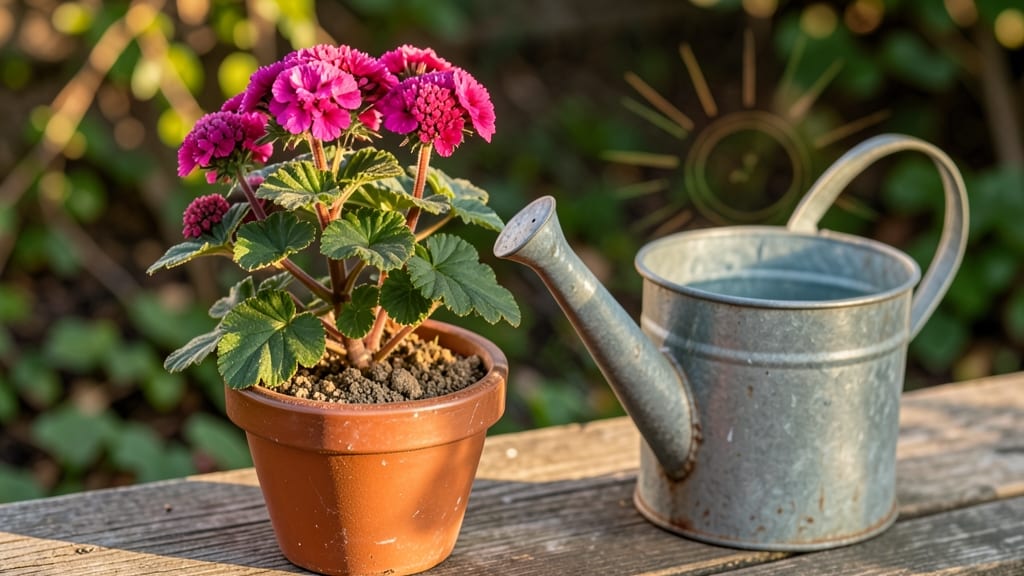
Growing geraniums from seed feels like magic when those first fuzzy leaves push through the soil. 🌱 The secret to seed geranium care isn’t complicated—it’s about patience, the right mix of light and moisture, and knowing when to step back.
I’ve started dozens of trays, and these delicate seeds reward consistency more than anything else.
You’ll need a sunny windowsill or grow light, a shallow tray with drainage, and a soil mix that’s light and airy—think half potting soil, half perlite or vermiculite.
Plant seeds just below the surface (no deeper than ¼ inch), keep them moist but never soggy, and expect sprouts in 10-14 days if conditions are right. Most beginners overwater or crowd the seedlings, so spacing matters: give each sprout 2 inches of room to stretch.
Once they’ve got their first true leaves, geraniums grow fast with bright light and moderate watering—let the top inch of soil dry out between drinks. Pinch back the tips when they’re 4-6 inches tall to encourage bushier plants, and feed with half-strength fertilizer every 4-6 weeks.
The payoff? Blooms all summer long with minimal fuss, and plants that outlast store-bought geraniums by years.
Here’s the kicker: these seeds thrive in containers, so balcony gardeners and small-space growers can still enjoy them. Just avoid cold drafts, and you’ll have year-round color with almost no effort. Let’s get those trays ready!
📚 In This Guide
- What you need
- Instructions
- Tips and common mistakes
- Wrapping up and next steps
What you need
- ● Seed geranium seeds: Choose Pelargonium varieties (e.g., zonal, ivy, or scented). Start with 5–10 seeds for small pots or 20+ seeds for larger containers.
- ● Seed-starting mix: A lightweight, sterile mix (e.g., 50% peat moss + 50% perlite/vermiculite). Avoid garden soil—it’s too dense!
- ● Containers: For seedlings: 4–6 inch pots or seed trays with drainage holes.
- ● For mature plants: 6–12 inch pots or garden beds with well-draining soil.
- ● Drainage trays or saucers: To catch excess water and prevent root rot.
- ● Grow lights or sunny windowsill: Seedlings need 12–16 hours of light daily (south-facing window or LED grow lights).
- ● Watering can or spray bottle: A gentle misting nozzle helps avoid disturbing seeds.
- ● Fertilizer: A balanced, water-soluble fertilizer (10-10-10) or organic options like fish emulsion (diluted to ½ strength).
- ● Heat mat: Keeps soil warm (70–75°F) for faster germination (especially in cool climates).
- ● Humidity dome or plastic wrap: Retains moisture until seeds sprout (remove once seedlings emerge!).
- ● Pruning shears: For pinching back leggy seedlings or shaping mature plants.
- ● pH testing kit: Geraniums thrive in 6.0–7.0 pH soil. Adjust with lime (to raise pH) or sulfur (to lower).
- ● Mulch (e.g., straw or pine needles): Helps retain soil moisture and suppress weeds in outdoor beds.
- ● 💡 Sterilize tools: Wash pots, trays, and tools with 10% bleach solution (1 part bleach to 9 parts water) to prevent fungal diseases.
- ● 🌡️ Warmth matters: Geranium seeds germinate best at 65–75°F. If your home is chilly, a sunny windowsill or heat mat is key!
- ● ✨ Patience pays off: Germination can take 10–21 days. Keep soil consistently moist (not soggy) during this time.
Step-by-Step guide to nurturing geranium seeds to maturity
Here’s how I’ve learned to coax delicate geranium seedlings into hardy, blooming plants with just a few key adjustments.
🌱 Step 1: Start Seeds in a Warm, Humid Environment
Geranium seeds need consistent warmth—aim for 70-75°F soil temperature—to germinate reliably. I use a seedling heat mat beneath my trays, which keeps the soil toasty without fuss. Fill your containers with sterile seed-starting mix (never garden soil—it’s too dense and can harbor fungus). Moisten the mix until it’s damp like a wrung-out sponge, then press it down gently to remove air pockets.
Sow seeds surface-level—geraniums require light to germinate, so don’t bury them. Lightly press them into the soil with your fingertip, then mist the surface with water until it’s evenly damp. Cover the tray with plastic wrap or a humidity dome to trap moisture. Place it in a bright spot (like a south-facing window) but not in direct sun—heat and light together can dry out the soil too fast.
💧 Step 2: Monitor Moisture and Light for Germination
Check the tray daily for condensation on the plastic—this tells me the humidity is right. Remove the cover for 10 minutes every other day to prevent mold, which thrives in stagnant moisture. Geranium seeds typically sprout in 14-21 days, but don’t be surprised if they take longer in cooler conditions. You’ll see tiny green hooks push through the soil first—those are the seedlings’ first true leaves.
Once sprouts appear, remove the cover completely and move the tray to a spot with bright, indirect light. If your seedlings stretch toward the window (a sign of legginess), they need more light. I use a grow light on a timer for 14 hours daily to keep them sturdy. Avoid cold drafts—they’ll shock tender seedlings and stunt growth.
🌿 Step 3: Thin and Harden Off Seedlings
When seedlings have 2-3 sets of true leaves (not the initial seed leaves), it’s time to thin. Use scissors to snip the weakest stems at soil level—this prevents disturbing the roots of the plants you’re keeping. Space remaining seedlings 2-3 inches apart to reduce competition. Geraniums hate being crowded, so don’t rush this step.
Start hardening off 2 weeks before transplanting outdoors. Place seedlings outside in a sheltered spot for 1-2 hours the first day, gradually increasing exposure over 7-10 days. Watch for wilting or pale leaves—these are signs they’re not ready. Once they’re thriving in outdoor conditions, transplant them into well-draining soil with full sun exposure (at least 6 hours daily).
☀️ Step 4: Maintain Year-Round Growth with Simple Adjustments
Geraniums are drought-tolerant once established, but they still need consistent moisture during their first year. Water at the base of the plant in the morning to avoid fungal issues from wet foliage. Let the top inch of soil dry out between waterings—overwatering is the #1 killer of geraniums. In hot climates, mulch around the base to retain moisture and keep roots cool.
Feed with a balanced liquid fertilizer (like 10-10-10) every 4-6 weeks during the growing season. I skip fertilizer in winter unless I’m growing geraniums indoors under grow lights. Deadhead spent blooms regularly to encourage continuous flowering. If grown in containers, repot every 2-3 years—geraniums outgrow their pots quickly and become root-bound.
✂️ Step 5: Overwinter Geraniums for Next Year’s Blooms
If you’re growing geraniums in colder climates, dig up tender varieties before the first frost. Trim back one-third of the foliage, then pot them in well-draining soil. Place them in a cool, bright spot (like a garage or basement) where temperatures stay 40-50°F. Water sparingly—just enough to keep the soil from drying out completely.
In spring, resume regular care. You’ll see new growth within 2-3 weeks of bringing them back outdoors. Geraniums are surprisingly resilient—if you’ve followed these steps, you’ll have blooms from spring to frost with minimal effort. The key is light, warmth, and patience—they’ll reward you with vibrant color all season long.
Tips & tricks for perfect geranium seedlings
Here’s what nobody tells you about growing geraniums from seed—these small tweaks make all the difference between fragile seedlings and thriving plants.
Soil Temperature Secret: That 70-75°F soil temperature in Step 1 isn’t just a suggestion—it’s critical for germination. I’ve found that a simple seedling heat mat (around $15) makes this effortless. If your home runs cooler, place the tray on top of your fridge or near a sunny window with a heat source. The moment soil drops below 65°F, germination slows dramatically, and seeds may rot instead of sprouting.
Lighting Strategy: The 14 hours of grow light in Step 2 isn’t arbitrary—it mimics summer daylight and prevents leggy seedlings. If you don’t have a timer, set a phone reminder. Leggy seedlings (those stretching toward light) are a red flag—they’ll flop over and struggle to recover. For extra insurance, rotate your trays daily so all seedlings get even light exposure.
Thinning Technique: When thinning in Step 3, I use clean, sharp scissors—not fingers—to avoid crushing stems and spreading disease. The 2-3 inch spacing isn’t just about aesthetics; it prevents competition for nutrients. I’ve seen crowded geraniums develop weak stems that snap under their own weight. If you’re short on space, consider using a larger tray initially instead of transplanting later.
Hardening Off Hack: The 2-week hardening off period in Step 3 can be shortened to 10 days if your forecast shows consistently warm weather. Start with just 30 minutes outside on day one, then double exposure each day. Watch for leaves that perk up after a few hours—that’s your cue to increase time. If leaves stay wilted after 1-2 hours, they’re not ready yet.
Pro Tips for Seed Geranium Care
- Here’s what nobody tells you about growing geraniums from seed—these small tweaks make all the difference between fragile seedlings and thriving plants.
- Soil Temperature Secret: That 70-75°F soil temperature in Step 1 isn’t just a suggestion—it’s critical for germination.
- Lighting Strategy: The 14 hours of grow light in Step 2 isn’t arbitrary—it mimics summer daylight and prevents leggy seedlings.
Frequently asked questions
Got questions about keeping your seed geraniums happy? You’re not alone!
Here are answers to the most common concerns—from planting to troubleshooting—so you can enjoy vibrant blooms with ease.
How long does it take for seed geraniums to germinate?
Seed geraniums typically sprout in 7–14 days if kept in warm (65–75°F), moist soil. For faster results, use a heat mat or bottom watering tray. Patience is key—don’t overwater, as soggy soil can delay germination. Pro tip: Cover seeds lightly with soil (just enough to hide them) for best success.
When is the best time to plant seed geraniums outdoors?
Wait until after the last frost (spring) when soil temps reach 55°F+. Geraniums hate cold—planting too early risks stunted growth or death. In warmer climates, you can start seeds indoors 8–10 weeks before the last frost for early blooms. Pro tip: Harden off seedlings gradually to avoid shock.
Why are my geranium leaves turning yellow?
Yellow leaves usually signal overwatering, poor drainage, or pests. Check soil moisture—geraniums prefer dry spells between waterings. If roots look mushy, repot in well-draining mix. For pests (like aphids), spray with neem oil or rinse leaves with soapy water. Watch for: Brown spots (fungus) or holes (insects).
Can I grow seed geraniums in containers instead of the ground?
Geraniums thrive in containers 6+ inches deep with drainage holes. Use lightweight potting mix and place pots in full sun (6+ hours/day). Just ensure pots don’t stay soggy—empty saucers after watering. Bonus: Container geraniums are perfect for balconies or patios!
Do geraniums survive winter, or should I dig them up?
Most seed geraniums are annuals and die in frost. However, hardy varieties (like Geranium macrorrhizum) may return if mulched heavily. For tender types, dig up plants, trim, and store roots in dry peat moss over winter. Replant in spring! Note: Treat them like perennials only if in Zone 5+.
How do I revive a leggy or overgrown geranium?
Prune back 1/3 of the plant in early spring to encourage bushiness. Cut just above a leaf node (where leaves meet stems). For severely leggy plants, pinch back tips weekly during growth. Deadhead spent blooms to redirect energy to new flowers. Quick fix: Fertilize lightly with balanced 10-10-10 after pruning.
Wrapping up and next steps
Caring for seed geraniums is simpler than you think—just a little sunlight, consistent watering, and occasional pruning can keep them blooming beautifully all year long! 🌸 With the right soil, spacing, and seasonal adjustments, these vibrant plants will reward you with stunning flowers and lush foliage with minimal effort.
Now that you’re armed with expert tips, why not plant your seeds today and enjoy the joy of watching your geraniums thrive?
Ready to take the next step? Start with a small batch, experiment with varieties, and soon you’ll be sharing your blooming success with friends! 🌱