
Lawn
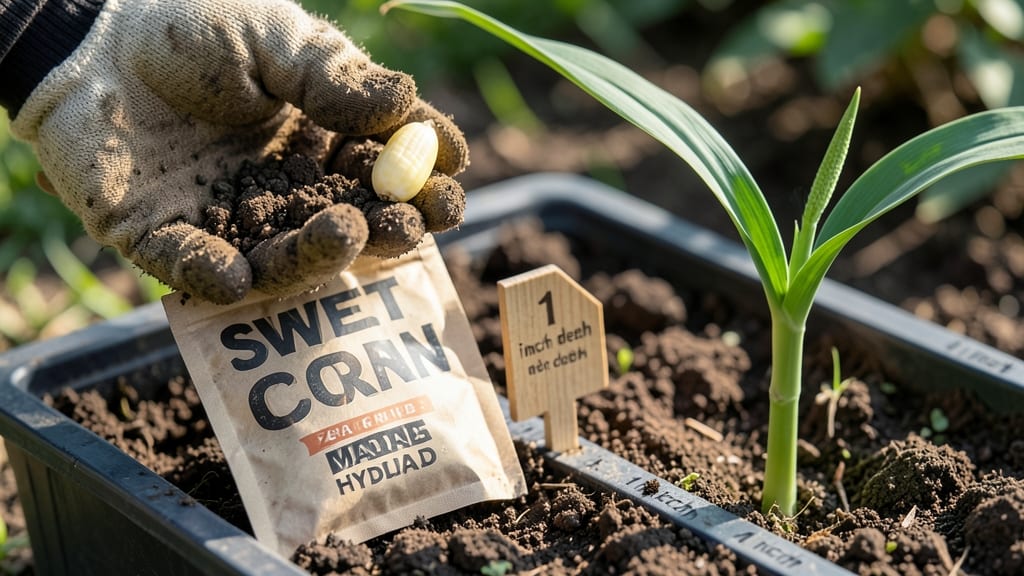
Maize seeds hold the secret to growing your own corn—and saving seeds for next year without a single kernel wasted. 🌽 I’ve grown corn for years, and the difference between store-bought and homegrown is night and day: sweeter, sturdier stalks that thrive in your own backyard.
The key? Starting with quality seed and treating every stage—from soil to harvest—like a zero-waste system.
You’ll need well-draining soil, full sun, and patience for the 60-90 days it takes to mature. Plant seeds 1-1.5 inches deep, 4-6 inches apart, and keep the soil consistently moist but not soggy.
The first shoots break through in 7-10 days, and that’s when the real work begins—thinning seedlings and watching them surge toward the sky.
By harvest time, you’ll have ears of corn so plump they’ll make your neighbors jealous. But here’s the game-changer: save the best seeds from your healthiest stalks for next season.
Dry them thoroughly, store in a cool, dark place, and you’ve got a self-sustaining corn supply that beats buying seeds every year.
Works for backyard plots, raised beds, or even large containers. Whether you’re growing for fresh eating, seed saving, or both, this method turns a simple crop into a year-round gardening cycle—no waste, just rewards.
📚 In This Guide
- What you need
- Instructions
- Tips and common mistakes
- Wrapping up and next steps
What you need
- ● Maize seeds: Choose heirloom or open-pollinated varieties (e.g., 'Country Gentleman' or 'Golden Bantam') for seed saving. Buy 1–2 lbs (450–900g) to ensure a good harvest.
- ● Garden soil: Well-draining, fertile soil with a pH of 6.0–7.5. Amend with compost (2–3 gallons per 10 sq ft) for optimal growth.
- ● Fertilizer: Balanced fertilizer (10-10-10) at planting (1 tbsp per plant).
- ● Nitrogen-rich fertilizer (e.g., blood meal) mid-season for taller stalks.
- ● Watering supplies: Drip irrigation or a hose with a gentle nozzle (maize needs 1–2 inches of water weekly).
- ● Garden trowel or hoe for planting and weeding.
- ● Plant markers (biodegradable or wooden) to label varieties.
- ● Pruning shears for harvesting seed stalks.
- ● Seed-saving bags or paper envelopes (for storing dried seeds).
- ○ Optional: Trellis or stakes (if growing dwarf varieties).
- ● Warm climate: Maize thrives in USDA Zones 6–11 with 70–90°F (21–32°C) temperatures.
- ● Sunlight: Full sun (6–8 hours daily) for robust growth.
- ● Space: Plant in blocks (not rows) for cross-pollination control (minimum 3x3 ft spacing between plants).
- ● Patience: Maize takes 90–120 days to mature!
Step-by-step guide to growing maize from seed
Here's how to cultivate healthy maize plants and save seeds sustainably for future seasons.
🌱 Step 1: Prepare the Planting Site and Soil
Maize thrives in loose, fertile soil with excellent drainage. Choose a location with full sun exposure (6-8 hours daily) and temperatures above 60°F. I like to test soil pH first—maize prefers a range of 6.0-6.8. If your soil is heavy clay, mix in 2-3 inches of compost and work it into the top 6-8 inches of soil.
Clear the area of weeds and debris, then create planting mounds 12-18 inches tall and 2-3 feet apart. These mounds improve drainage and help prevent fungal diseases. Space rows 30-36 inches apart to allow for proper airflow and easy harvesting. Real talk: if your soil is compacted, consider planting in raised beds instead—they warm up faster in spring and give roots room to expand.
🌱 Step 2: Plant Seeds at the Right Depth and Spacing
Plant 2-3 seeds per hill at a depth of 1-1.5 inches, pressing them gently into the soil. Planting too deep slows germination, while shallow planting risks drying out the seeds. Space hills 12-18 inches apart in rows. Once seedlings emerge, thin to the strongest plant per hill—this prevents competition for nutrients and reduces disease risk.
I wait until 50% of seeds have sprouted before thinning, usually within 7-14 days depending on soil warmth. Use sharp scissors to snip unwanted seedlings at soil level rather than pulling them—this minimizes root disturbance. You'll see the strongest seedlings have vibrant green leaves and sturdy stems within a week of emergence.
☀️ Step 3: Maintain Consistent Watering and Fertilization
Maize requires 1-1.5 inches of water weekly, especially during tasseling and ear development. Water deeply at the base of plants in the morning to reduce fungal risks. I use a soaker hose to deliver moisture evenly without wetting the foliage. Mulch around plants with 2-3 inches of straw or grass clippings to retain soil moisture and suppress weeds.
Side-dress plants with balanced fertilizer (10-10-10) when they reach 12 inches tall and again when tassels emerge. Avoid over-fertilizing with nitrogen—too much leads to excessive leaf growth at the expense of ear development. Watch for dark green, healthy leaves and strong stalks as signs of proper nutrition. If leaves yellow between veins, that's a classic sign of magnesium deficiency—apply Epsom salt (1 tablespoon per gallon of water) as a foliar spray.
🌿 Step 4: Monitor for Pests and Diseases
Common maize pests include corn earworms and corn rootworms. I start with preventive measures: plant early-maturing varieties to avoid peak pest seasons, and rotate crops annually if possible. For organic control, use neem oil spray on foliage every 7-10 days during peak pest periods. Watch for holes in leaves or silken threads on ears—these are clear signs of infestation.
Fungal diseases like leaf blight thrive in humid conditions. Improve airflow by pruning lower leaves that brush the soil, and avoid overhead watering. If you notice grayish-white spots on leaves, remove affected foliage immediately and treat with copper fungicide. Here's the thing—prevention is easier than cure. Healthy plants with proper spacing and good airflow rarely suffer severe pest issues.
⏰ Step 5: Harvest and Save Viable Seeds
Harvest maize when kernels are plump, milky, and easily pierced with a fingernail. Cut stalks at the base with pruners, then hang them in a dry, well-ventilated area for 2-3 weeks to dry completely. Once kernels are hard and dry, remove the husks and separate the ears. To save seeds, select the healthiest, disease-free ears from your best-performing plants.
Shell the kernels and let them dry further in a 50°F environment for 2-4 weeks. Store dried seeds in airtight containers in a cool, dark place. Viable seeds retain germination for 2-3 years if kept dry. I label each batch with the variety and harvest date—this helps track performance over seasons. For zero-waste harvesting, compost the dried stalks and husks after removing seeds.
Tips & tricks for growing healthy maize from seed
These practical insights will help you maximize your maize harvest while keeping your garden sustainable and productive.
Soil Preparation Insight: The 6-8 hours of daily sunlight requirement is non-negotiable, but what about soil temperature? I've found that planting in raised beds warms up 2-3 weeks earlier than ground soil, which is crucial for maize germination. Test soil temperature with a thermometer—it should reach at least 60°F before planting. If your garden soil is still cool, consider using black plastic mulch to raise soil temperature by 5-10°F. This simple trick can mean the difference between successful germination and wasted seeds.
Seed Planting Precision: When planting your 2-3 seeds per hill at 1-1.5 inches depth, here's what I've learned: the 12-18 inch spacing between hills isn't just about room to grow—it's about airflow. Compact planting creates humid microclimates that invite fungal diseases. I mark my planting layout with wooden stakes before digging to ensure perfect spacing. Also, don't press seeds too firmly—they need good soil contact but shouldn't be compressed, which can hinder root development.
Watering Strategy: The 1-1.5 inches of weekly water requirement is a baseline, but timing matters more than quantity. I water my maize plants in the early morning (between 6-8 AM) when evaporation is lowest. This allows water to penetrate deeply before the heat of the day. A soaker hose delivers water directly to the roots without wetting the foliage, which is critical for preventing fungal diseases like leaf blight. The 2-3 inches of mulch acts like a moisture blanket, reducing watering needs by 20-30% while keeping weeds at bay.
Seed Saving Technique: For viable seed saving, the 50°F drying environment is crucial but often misunderstood. Many gardeners try to rush this process, but seeds dried too quickly lose viability. I use a well-ventilated basement or root cellar for the 2-4 week drying period, checking weekly for proper moisture levels. The kernels should feel hard and dry when pressed between fingers—like a popcorn kernel. Store seeds in glass jars with silica gel packets to absorb any remaining moisture. This method has given me germination rates above 90% for saved seeds.
Pro Tips for Seed Of Maize
- These practical insights will help you maximize your maize harvest while keeping your garden sustainable and productive.
- Soil Preparation Insight: The 6-8 hours of daily sunlight requirement is non-negotiable, but what about soil temperature?
- Seed Planting Precision: When planting your 2-3 seeds per hill at 1-1.5 inches depth, here's what I've learned: the 12-18 inch spacing between hills isn't just about room to grow—it's about airflow.
Frequently asked questions
How do I know if my maize seeds are still viable for planting?
Test viability by placing seeds in a glass of water. If most sink (floating seeds are often non-viable), they’re likely good to plant. For a more precise check, conduct a germination test: soak seeds overnight, then place them between damp paper towels in a warm spot. Check for sprouts in 3–5 days—70%+ germination rate = viable seeds!
When is the best time to harvest maize seeds for saving?
Harvest seeds when the maize kernels are fully mature but before they dry out on the cob. Look for hard, dry, and glassy kernels (like popcorn kernels) and a brown, papery husk. Aim for late fall or early winter, depending on your climate—after the first frost ensures full maturity.
Can I save seeds from hybrid maize varieties?
Hybrid maize seeds (like those from grocery stores) are not reliable for saving—plants may not reproduce true to type. For seed-saving success, opt for heirloom or open-pollinated varieties. If you’re unsure, check seed packets for labels like "heritage" or "non-GMO."
What’s the best way to store saved maize seeds long-term?
Clean seeds thoroughly, then dry them in a cool, dark, and well-ventilated space (like a mesh bag in your garage) for 1–2 weeks. Store in airtight containers (glass jars or Mylar bags) with a silica gel packet to absorb moisture. Keep seeds in the fridge (32–40°F) for up to 5 years!
How do I prevent cross-pollination when saving maize seeds?
Maize is wind-pollinated, so isolation is key. Plant seed-saving varieties at least 200–300 feet apart or use row covers during tasseling. For small gardens, grow one variety at a time or hand-pollinate with a paintbrush. Label everything!
Wrapping up and next steps
The seed of maize isn’t just the start of a thriving crop—it’s a gateway to sustainable gardening and zero-waste living! 🌱 By mastering seed saving and harvesting techniques, you’ve unlocked the power to grow nutrient-rich, heirloom maize year after year.
This knowledge empowers you to reduce waste, save money, and connect deeper with nature’s cycles.
Now that you’re armed with the how-to, take the next step: plant those saved seeds and watch your garden flourish! Share your harvest with neighbors or experiment with new varieties—every seed you save is a step toward a greener, more self-sufficient future. Happy growing! 🌾