
Lawn
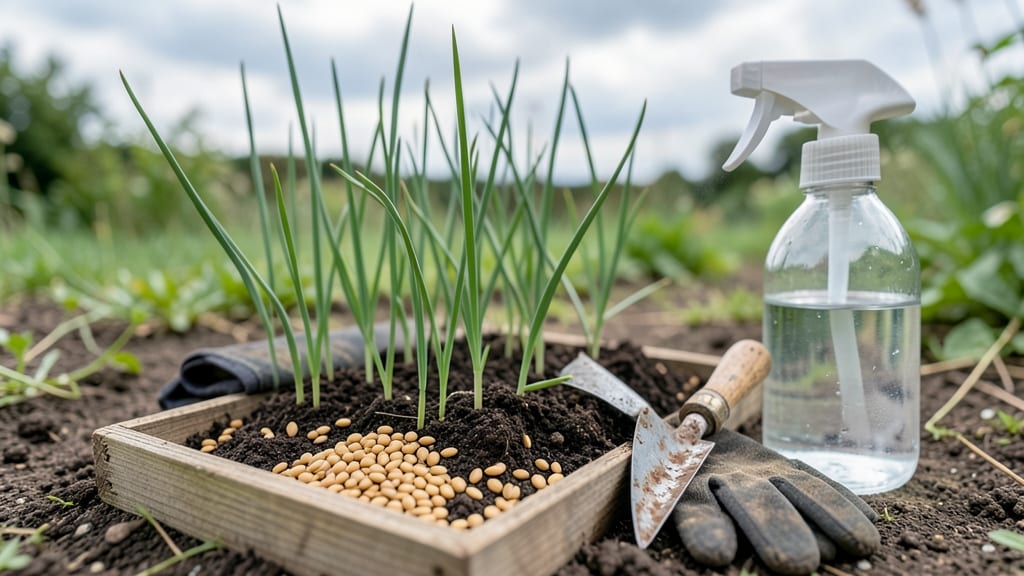
Planting flax seeds unlocks a crop that thrives for both culinary and fiber uses—here’s how to grow them reliably. 🌱 The key lies in timing, soil prep, and patience, because flax doesn’t rush.
My first attempt failed when I overwatered, but since then, I’ve grown enough seeds to make linen and harvest oil-rich plants year-round.
Start with well-draining soil—flax hates soggy roots—and plant seeds ¼ inch deep, spacing them 6 inches apart in rows 12 inches apart. They need full sun (6+ hours daily) and moderate water (about 1 inch per week), but never let them sit in wet soil.
Germination takes 7-14 days, and plants reach maturity in 90-100 days if conditions are right.
Once established, flax grows tall and slender with narrow leaves, eventually producing clusters of tiny blue flowers. The real magic happens when you let some plants go to seed—those dry, golden seed heads are packed with nutrients.
Harvest them when they turn golden-brown and dry completely, then thresh to collect the seeds for planting or processing.
Watch for bolting (too much heat) or powdery mildew (crowded plants), but flax is generally low-maintenance. If you’re growing for linen fiber, let the stems grow 3-4 feet tall before harvesting; for oil seeds, harvest when the seed heads turn golden.
Either way, you’ll end up with a versatile crop that rewards attention to detail.
📚 In This Guide
- What you need
- Instructions
- Tips and common mistakes
- Wrapping up and next steps
What you need
- ● Flax seed varieties: Choose cold-hardy and high-yielding varieties like Linum usitatissimum (e.g., 'Linara' or 'Redwood'). Buy 1–2 lbs (0.5–1 kg) of certified organic seeds for best results.
- ● Quality soil: Well-draining, loamy soil with a pH of 6.0–7.0. Test your soil or amend with compost (aim for 2–3 inches of compost mixed into the top 6 inches of soil).
- ● Garden space: Outdoor garden: A sunny spot with 6–8 hours of direct sunlight daily and space for rows 12–18 inches apart.
- ● Container gardening: Large pots (12+ inches deep) or raised beds with drainage holes.
- ● Watering tools: Watering can (1–2 gallon capacity) or drip irrigation system.
- ● Hose with adjustable nozzle for deeper watering.
- ● Planting tools: Hand trowel or garden hoe for digging.
- ● Rake (for smoothing soil).
- ● Row marker or string and stakes (to keep rows straight).
- ● Fertilizer: Low-nitrogen, balanced fertilizer (e.g., 5-10-10) or compost tea. Apply lightly at planting and mid-season.
- ● Mulch: Straw or shredded leaves (1–2 inches thick) to retain moisture and suppress weeds.
- ● Cold frame or greenhouse: Extends the growing season for early or late planting.
- ● Row covers: Lightweight fabric to protect seedlings from pests or frost.
- ● Pruners or scissors: For harvesting seed stalks cleanly.
- ● Seed drying rack: Mesh screen or paper bags to dry harvested seeds properly.
- ● Soil moisture meter: Ensures seeds stay consistently moist without overwatering.
- ● Journal or app: Track planting dates, watering schedules, and growth milestones!
How to plant flax seeds for a reliable year-round harvest
Here’s the straightforward method I’ve used to grow flax consistently—whether you’re aiming for seeds, fiber, or both.
🌱 Step 1: Select and Prepare Your Planting Site
Flax thrives in well-draining soil with a pH between 6.0 and 7.5. If your soil is heavy clay, mix in 2-3 inches of compost to loosen it before planting. I always test my soil first—flax is sensitive to poor drainage, and soggy roots will rot before seeds even form.
Choose a spot with full sun (6-8 hours daily). While flax can tolerate partial shade, seed production drops significantly. If your yard is shady, prioritize the sunniest location—even a small patch will yield enough seeds for personal use. Clear the area of weeds, as competition for nutrients will stunt your plants.
🌱 Step 2: Plant Seeds at the Right Depth and Spacing
Sow seeds ¼ inch deep, no deeper—flax seeds need light to germinate properly. Space them 6 inches apart in rows 12 inches apart to allow airflow and prevent disease. I like to use a handheld seeder for precision, but even a simple rake works if you’re planting in rows.
Water gently after planting to settle the soil, but avoid oversaturating. Flax seeds germinate best in moist but not soggy soil—think of it like a damp sponge, not a swamp. You’ll see sprouts in 7-14 days, depending on soil temperature. If germination takes longer than two weeks, the soil may be too cold or dry.
☀️ Step 3: Maintain Soil Moisture Without Overwatering
Flax has shallow roots, so keep the top 2 inches of soil consistently moist—never waterlogged. I water every 2-3 days in hot weather, checking with my finger. If the soil feels dry at the first knuckle, it’s time to water. Overwatering leads to fungal issues like rust, which can ruin your crop.
Once plants reach 6 inches tall, reduce watering slightly. Flax is drought-tolerant once established, and too much moisture at this stage encourages weak stems. You’ll know you’ve got it right when plants stand upright with a slight waxy coating on the leaves—this indicates healthy stress tolerance.
✂️ Step 4: Monitor for Pests and Harvest at Peak Maturity
Watch for aphids or spider mites, which love flax leaves. I spray a soapy water solution (1 tsp mild dish soap per gallon) if I spot clusters. Never use chemical pesticides—flax seeds must stay chemical-free for culinary or fiber use. Harvest when most pods turn golden-brown, usually 90-120 days after planting.
Cut stems with clean shears and bundle them in a dry, shaded area to dry for 1-2 weeks. Once fully dry, rub the stems between your hands to release seeds. Store them in an airtight container in a cool, dark place—properly dried seeds last 1-2 years without losing viability.
🌿 Step 5: Plan for Year-Round Success with Succession Planting
For continuous harvests, plant new seeds every 4-6 weeks in spring and summer. Flax grows quickly, so staggered plantings ensure you always have mature plants ready. In cooler climates, a fall planting (6-8 weeks before first frost) can yield seeds before winter sets in.
Here’s the trick: flax tolerates light frosts, but seeds won’t mature in cold soil. If you’re in Zone 5 or colder, stick to spring and summer plantings. In warmer zones, you can even try winter plantings—just use a row cover to protect young seedlings from unexpected chills.
Tips & tricks for perfect flax seed planting
A few strategic moves will help you avoid common pitfalls and maximize your flax harvest every season.
Soil Preparation is Non-Negotiable: Before planting, I always conduct a simple soil test to confirm that pH is between 6.0 and 7.5. If your soil tests acidic, work in 2-3 inches of compost mixed with 1 cup of agricultural lime per 10 square feet two months before planting. This gives the lime time to adjust the pH naturally. Flax is particularly sensitive to poor drainage—if your soil feels compacted, create raised beds to prevent waterlogging, which can kill roots before seeds even form.
Germination Timing Secret: The 7-14 day germination window can be tricky to predict. To speed things up, soak your seeds in room-temperature water for 12 hours before planting—this mimics natural spring rains and triggers faster sprouting. Just be sure to plant them immediately after soaking, as they'll begin germinating. Watch for the first sprouts in as little as 5 days if conditions are ideal (warm soil above 60°F). If germination takes longer than two weeks, check your soil temperature with a thermometer—flax needs soil at least 50°F to sprout consistently.
Pest Prevention Strategy: The soapy water solution (1 tsp mild dish soap per gallon) works wonders for aphids and spider mites, but I've found that prevention is even better. Interplant your flax with marigolds or nasturtiums—these act as natural pest repellents without chemicals. I also rotate my planting locations yearly to break pest cycles. If you notice yellowing leaves or sticky residue on stems, act immediately—these are early signs of infestation that can spread rapidly in flax's shallow root system.
Harvesting and Storage Wisdom: When harvesting, cut stems when 75% of pods are golden-brown—this ensures you capture the majority of seeds while leaving some for natural reseeding. Bundle stems in small groups (no more than 10 stems per bundle) to maximize airflow during the 1-2 week drying period. Store seeds in airtight containers with a small silica gel packet to absorb moisture. I label each container with the harvest date—seeds stored properly will maintain viability for 1-2 years, but those harvested in late summer often germinate better the following spring due to their natural dormancy cycle.
Pro Tips for Flax Seed Planting
- A few strategic moves will help you avoid common pitfalls and maximize your flax harvest every season.
- Soil Preparation is Non-Negotiable: Before planting, I always conduct a simple soil test to confirm that pH is between 6.0 and 7.5.
- Germination Timing Secret: The 7-14 day germination window can be tricky to predict.
Frequently asked questions
Got questions about flax seed planting?
You’re not alone! Here are answers to the most common queries—from timing to troubleshooting—to help you grow a thriving crop.
When is the best time to plant flax seeds for viable harvests?
Flax thrives in cool weather, so plant seeds early spring (as soon as soil reaches 40°F) or late summer (8–10 weeks before first frost). Avoid planting in hot, dry conditions—it stresses young plants and reduces seed quality. For year-round harvests, stagger plantings every 3–4 weeks in mild climates.
How long does it take for flax seeds to mature after planting?
From seed to harvest, flax takes about 90–110 days in ideal conditions (cool temps + consistent moisture). Watch for brown, papery seed pods—they’ll split open when fully ripe. If left too long, seeds may shatter or attract pests. Harvest when pods turn golden-brown but before they burst!
What’s the ideal soil temperature and moisture for flax seed germination?
Flax germinates best in soil between 40–60°F. Keep soil moist but not soggy—overwatering causes rot, while drought stress stunts growth. Mulch lightly to retain moisture, and avoid waterlogging. If your soil drains poorly, raise beds or plant on slopes for better airflow.
Why are my flax plants wilting or turning yellow? Troubleshooting tips.
Yellowing or wilting flax often signals overwatering, nutrient deficiency, or disease. Check for:
- Fungal issues (e.g., rust): Thin plants for airflow; avoid overhead watering.
- Nitrogen deficiency: Add compost or a balanced fertilizer early in growth.
- Root rot: Improve drainage or replant in well-aerated soil.
If pests (like aphids) are the culprit, spray with neem oil or introduce ladybugs.
Can I plant flax seeds indoors for an earlier harvest?
Yes! Start seeds 6–8 weeks before last frost in trays with well-draining potting mix. Keep soil moist and provide 12–14 hours of light daily (grow lights work). Transplant seedlings outdoors after hardening off (acclimate to outdoor temps for 1–2 weeks). Just ensure your indoor space stays cool—flax hates heat!
Wrapping up and next steps
Growing your own flax seeds is a rewarding journey that connects you to nature while yielding a crop packed with health benefits. By following the right flax seed planting techniques—from soil prep to post-harvest care—you’ll unlock year-round harvesting potential.
Whether you’re a beginner or seasoned gardener, every step you take brings you closer to a thriving, sustainable harvest.
Ready to take the next step? Start small—plant a few rows this season—and let your confidence grow with each harvest. Happy planting! 🌱