
Size
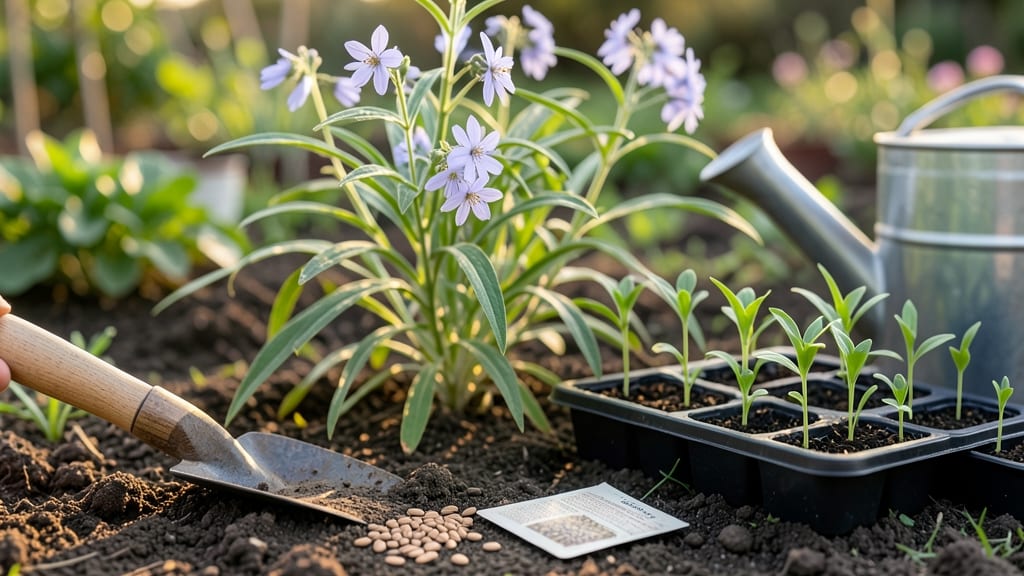
Growing flax seed plants unlocks a zero-waste garden treasure—fiber for textiles and seeds for oil, all from one resilient plant. 🌱 I learned the hard way that flax thrives on neglect (almost), but it rewards patience with two harvests per season: crisp stems for fiber and golden seeds for culinary or industrial use.
The secret lies in light, loose soil and cool temperatures—flax bolts in heat, so plant early spring or late summer for best results. You’ll need 12-18 inches of spacing between plants to avoid crowding, and a sunny spot where they can stretch tall without competing for light.
Water consistently but never soggy, and watch for rust or aphids (spray with neem oil if needed).
By mid-summer, you’ll harvest tall, slender stems for fiber (tied in bundles to dry) and nutrient-rich seeds (ripening in seed pods). The fiber becomes linen with minimal processing, while the seeds press into oil or grind into flour. It’s the ultimate dual-purpose crop—no waste, just rewards.
Works in small spaces (even containers) and adapts to most climates—just avoid summer heat. Once you try it, you’ll wonder why you didn’t start sooner. Here’s how to get those first seeds in the ground right.
📚 In This Guide
- What you need
- Instructions
- Tips and common mistakes
- Wrapping up and next steps
What you need
- ● Flax seeds: Purchase certified organic or heirloom flax seeds (e.g., Linum usitatissimum) from a reputable supplier. Aim for 1-2 lbs per 100 sq ft of planting area.
- ● Soil: Well-draining, loamy soil with a pH between 6.0 and 7.5. Mix in compost or aged manure (1-2 inches per sq ft) to enrich fertility.
- ● Watering can or hose: With a fine spray nozzle for gentle watering.
- ○ Fertilizer (optional but recommended): A balanced, low-nitrogen fertilizer (e.g., 5-10-10) or organic options like fish emulsion or bone meal (1 tbsp per plant at planting time).
- ● Mulch: Straw or shredded leaves (1-2 inches thick) to retain moisture and suppress weeds.
- ● Plant markers or labels: To track varieties and planting dates.
- ● Garden trowel or transplanting spade: For sowing seeds or transplanting seedlings.
- ● Gloves: To protect your hands from soil and thorns (flax plants have delicate stems!).
- ● Pruners or scissors: For harvesting seed heads or trimming plants.
- ● Row cover or frost cloth: To protect seedlings from late frosts (if growing in cooler climates).
- ● Harvest basket or bag: For collecting seeds and stalks.
- ● A sunny location with at least 6-8 hours of direct sunlight daily.
- ● Space: Flax plants need 12-18 inches apart in rows spaced 12-18 inches apart.
- ● Patience: Flax takes 90-120 days to mature from seed to harvest!
- ● Zero-waste mindset: Plan to repurpose stalks for linen fiber or compost leftover plant matter.
Step-by-step instructions for growing flax seed plants
Here's the method I've perfected for thriving flax plants—minimal fuss, maximum yield.
🌱 Step 1: Select and Prepare Your Planting Site
Flax thrives in well-draining soil with a pH between 6.0 and 7.5. If your garden soil is heavy clay or sandy, mix in 2-3 inches of compost to improve texture and fertility. Flax is adaptable but hates waterlogged roots, so avoid low-lying areas where water pools after rain.
Work the soil to a depth of 8-10 inches to loosen compacted layers. You'll see the difference immediately—roots will penetrate easily, and seedlings will emerge uniformly. For container growing, use a lightweight potting mix with added perlite to prevent compaction. I like to add a handful of sand to improve drainage in pots.
☀️ Step 2: Plant Seeds at the Right Time and Depth
Sow flax seeds 1/4 inch deep in early spring after the last frost date or in late summer for a fall harvest. The key is timing—seeds need consistent soil temperatures above 50°F to germinate reliably. Plant seeds 6-8 inches apart in rows spaced 12-18 inches apart to allow for proper air circulation.
Thin seedlings to 6 inches apart once they reach 2-3 inches tall. This prevents overcrowding and reduces competition for nutrients. I use a small hand trowel to carefully remove excess seedlings, ensuring I leave the strongest, most vigorous plants. Watch for the first true leaves—these are your signal that thinning is complete.
💧 Step 3: Maintain Consistent Moisture and Light
Flax needs 1-1.5 inches of water weekly, but the soil must never become soggy. Water deeply at the base of the plant in the morning to allow foliage to dry quickly, reducing the risk of fungal diseases. You'll know moisture is right when the top 1-2 inches of soil feel dry to the touch.
Provide full sun (6-8 hours daily) for best results. If growing in partial shade, expect slightly lower yields but still viable seed production. You'll notice leggy growth if light is insufficient—stems will stretch and leaves will pale. In this case, supplement with a grow light or relocate to a sunnier spot immediately.
✂️ Step 4: Monitor for Pests and Harvest at Peak Maturity
Check plants regularly for aphids or spider mites, which can stress flax. A strong spray of water often dislodges pests, but for severe infestations, use an organic insecticidal soap. Harvest seeds when the lower leaves yellow and the stems turn brown, typically 90-120 days after planting. This is your cue that the plant is ready for seed collection.
Cut stems with clean shears and bundle them in small groups. Hang bundles upside down in a dry, well-ventilated area for 2-3 weeks to dry completely. Once dry, rub the stems between your hands to release the seeds. Store seeds in an airtight container in a cool, dark place for up to 2 years.
🌿 Step 5: Utilize Zero-Waste Techniques for Sustainable Growth
After harvesting seeds, chop the remaining plant material into small pieces and compost it. This returns nutrients to the soil, creating a closed-loop system. Alternatively, use dried stems as mulch around other plants to suppress weeds and retain moisture.
Save a portion of your seeds for next season's planting. This ensures genetic consistency and reduces costs. Label your seed packets with the harvest year and variety to keep track of your zero-waste flax cycle. You'll love how this method reduces waste while keeping your garden productive year after year.
Tips & tricks for perfect flax seed plant cultivation
These battle-tested strategies will help you achieve thriving flax plants with minimal effort and maximum yield.
Soil Preparation Secret: Before mixing in compost, conduct a simple pH test using a basic soil kit. Flax prefers that 6.0-7.5 range, and adjusting with lime (to raise pH) or sulfur (to lower it) can make all the difference. I've seen plants struggle in slightly acidic soil—don't assume your garden meets the ideal range without checking. The 8-10 inch deep tilling mentioned is crucial for breaking up compaction, but if you're working with heavy clay, consider adding 10% sand by volume to improve drainage permanently.
Timing is Everything: Those 6-8 hours of sunlight daily are non-negotiable, but here's what I've learned about timing: Plant seeds when soil temperatures consistently stay above 50°F—this typically means waiting until after the last frost when nighttime temps reliably stay above 45°F. For fall planting, aim for 8-10 weeks before your first expected frost date to ensure full maturity. The 1/4 inch depth planting is perfect—any deeper and they'll struggle to emerge, but don't press them too firmly into the soil either.
Thinning Technique: When thinning seedlings to 6 inches apart, I've found the best method is to wait until they reach 2-3 inches tall with their first true leaves fully formed. Use a small hand trowel to gently loosen the soil around seedlings you're removing, then pull straight up to avoid damaging roots of remaining plants. The key visual cue is when you can see clear spacing between plants—this prevents competition while still giving them room to grow strong stems.
Harvesting Hack: For the 90-120 day harvest window, I recommend checking maturity by gently rubbing a stem between your fingers. When it crumbles easily and the seeds rattle inside, that's your perfect moment. Bundle stems in groups of 5-10 for hanging—this creates a manageable size that dries evenly. The 2-3 week drying time can vary with humidity levels, so check periodically by attempting to break a stem. When it snaps cleanly, your seeds are ready for storage.
Pro Tips for Grow Flax Seed Plants
- These battle-tested strategies will help you achieve thriving flax plants with minimal effort and maximum yield.
- Soil Preparation Secret: Before mixing in compost, conduct a simple pH test using a basic soil kit. Flax prefers that...
- Timing is Everything: Those 6-8 hours of sunlight daily are non-negotiable, but here's what I've learned about timing...
Frequently asked questions
Got questions about growing flax seed plants? You’re not alone! Here are some of the most common queries—plus straightforward answers to help you grow confidently and efficiently.
How long does it take for flax seeds to mature after planting?
Flax plants typically mature in 80–100 days from seed sowing, depending on your climate and variety. In cooler regions, expect a slightly longer timeline (up to 120 days). Monitor plants closely—when the stems turn golden and seeds rattle inside pods, they’re ready for harvest!
Can I grow flax seeds in hot or humid climates?
Flax thrives in cool to moderate temperatures (60–75°F), but it can handle heat if given extra care. In humid areas, ensure good airflow to prevent fungal diseases like rust. Drought-tolerant once established, but water consistently during flowering to avoid seed shatter.
What’s the best way to reuse flax plant waste after harvest?
Zero-waste flax growing is easy! After harvesting seeds, chop stems for mulch or compost (rich in fiber). Dried leaves can be used as a natural dye (blue-green hues!). Even the leftover seed hulls can be composted—just avoid overloading your pile to prevent mold.
Why are my flax plants wilting or turning yellow?
Wilting or yellowing often signals overwatering, nutrient deficiency, or pests. Check soil moisture—flax prefers consistently moist but well-drained soil. Yellow leaves? Test for nitrogen (add compost or a balanced fertilizer). Inspect for aphids or spider mites; treat with neem oil if needed.
Are there flax seed alternatives if I don’t want to grow from scratch?
Yes! Buy certified organic flax seeds from reputable suppliers (like Bountiful Gardens or local seed banks). For a similar omega-3 boost, try chia or hemp seeds, though their growing requirements differ. If you love flax’s fiber, linen fabric is a sustainable alternative!
Wrapping up and next steps
Growing flax seed plants is a rewarding journey that not only yields a nutritious crop but also aligns perfectly with zero-waste principles. From selecting the right variety to mastering soil prep and harvesting techniques, every step ensures a sustainable harvest year-round.
Whether you're a beginner or a seasoned gardener, flax seeds offer a versatile, eco-friendly, and profitable addition to your garden—and your pantry!
Now that you’re armed with the know-how, why not take the next step? Start small with a few plants, experiment with different varieties, or even share your flax harvest with friends. Happy growing—and may your garden flourish with golden flax blooms! 🌱✨