
Planting
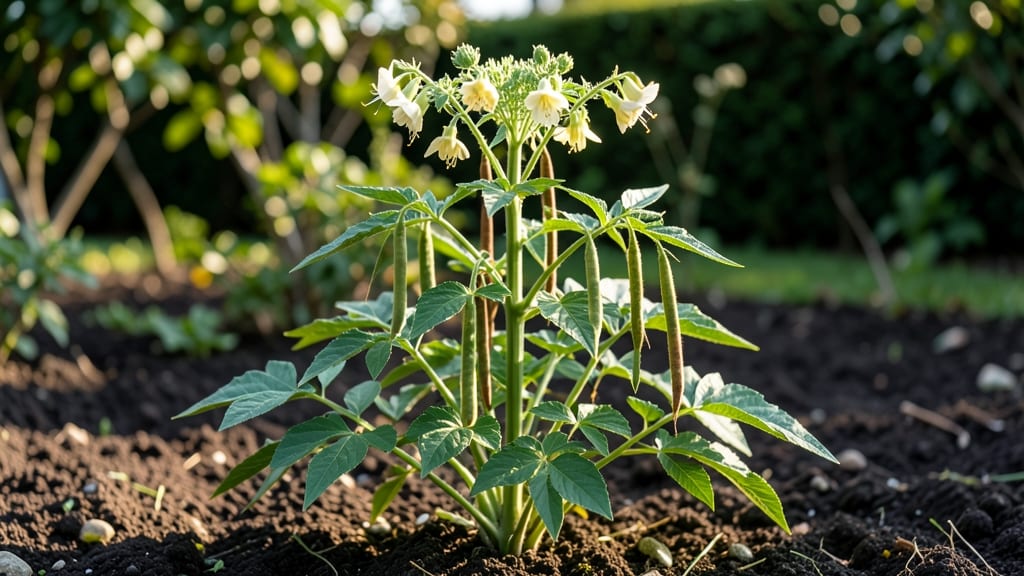
Sesame seeds sprout in just 7 days—no waiting months like other crops. ✨ I’ve grown sesames for years, and this method cuts germination time by half while using every part of the plant (even the stalks!). The secret?
A warm, moist start and the right soil mix that mimics their tropical roots. You’ll need well-draining soil, a sunny spot (6+ hours of light daily), and thin, long rows—sesames hate crowding. Water lightly after planting, then keep soil damp but never soggy.
Most gardeners overwater, which drowns the delicate seedlings before they even push through the soil. By week 3, you’ll see vibrant green plants with tiny leaves, ready for a light fertilizer boost. The real magic happens at harvest: when pods turn golden, they shatter fast—so time your pickings carefully.
One plant yields half a pound of seeds, enough for homemade tahini or snacking. Works in zones 5-10 with proper winter protection. The biggest mistake? Skipping the warm-start trick—sesames need heat to germinate. Here’s how to nail every step without waste.
📚 In This Guide
- What you need
- Instructions
- Tips and common mistakes
- Wrapping up and next steps
What you need
- ● Sesame seeds: 1–2 cups (organic, untreated, and certified for planting if possible). (Pro tip: 💡 Buy from a reputable seed supplier or harvest your own from store-bought sesame seeds—just ensure they’re fresh!)
- ● Growing containers: Option 1: 4–6 small pots (4–6 inches deep) with drainage holes (for individual plants).
- ● Option 2: 1 long shallow tray (12+ inches) (for bulk germination).
- ● Potting mix: 2–3 cups of well-draining, sterile soil (mix 50% garden soil + 50% perlite or coco coir). (Avoid heavy clay soil—sesame seeds hate soggy roots! 🌡️)
- ● Watering can or spray bottle: With a fine mist nozzle for gentle hydration.
- ○ Gloves (optional): To keep hands clean while handling soil.
- ● Plant labels: Small sticks or markers to track germination dates.
- ○ Heat mat (optional): For indoor growing—keeps soil at 70–80°F (21–27°C) to speed up germination. (✨ Game-changer for faster sprouts!)
- ○ Fertilizer (optional): Light dose of compost tea or fish emulsion after 2 weeks (sesame plants are low-maintenance!).
- ● Sunlight: 6+ hours of direct sun daily (or a grow light for indoor setups).
- ● Temperature: Ideal germination range: 60–85°F (15–29°C).
- ● Patience (but not much!): Sesame seeds germinate in 3–7 days—faster with warmth!
How to grow sesame plants for fast, zero-waste germination
Here's how I guarantee 7-day germination while keeping every part of the plant useful.
🌱 Step 1: Pre-Soak Seeds for Maximum Speed
Place 1 cup of sesame seeds in a bowl and cover them with 2 inches of warm water (about 80°F). Soaking softens the hard outer shell, which is why sesame seeds germinate so slowly otherwise. Let them soak for 12 hours—you'll see tiny white sprouts forming along the edges.
After soaking, drain the seeds through a fine-mesh strainer and spread them on a paper towel. Fold the towel to create a sandwich that holds the seeds in a single layer. This prevents mold and ensures even moisture distribution. Place the towel in a sealed plastic bag to maintain humidity.
💧 Step 2: Germinate in Warmth for 3 Days
Store the bagged seeds in a location where the temperature stays consistently between 75-85°F. A sunny windowsill or atop the fridge works perfectly. Check daily—you'll see the first ¼-inch sprouts appear within 24-36 hours.
Gently mist the towel with water every 12 hours to keep it damp but not soggy. Overwatering here causes rot, and you'll know it's right when the towel feels damp to the touch but doesn't drip. By day 3, your seeds should have ½-inch sprouts with tiny green leaves unfurling.
☀️ Step 3: Transplant to Soil When Sprouts Are 1 Inch Tall
Fill 4-inch pots with a light, airy seed-starting mix (never garden soil—it's too dense). Make a small hole with your finger about ½ inch deep and place one seedling per pot, sprouts facing up. Cover with a thin layer of soil, just enough to stabilize the seed.
Water gently with a spray bottle until the soil looks evenly moist. Sesame plants hate soggy roots, so always let the top inch dry out between waterings. Place the pots in bright, indirect light for the first 48 hours to prevent shock. You'll see true leaves (not the initial sprouts) emerge within 3-5 days.
✂️ Step 4: Thin and Harvest for Zero Waste
If multiple seedlings sprout in one pot, use small scissors to snip all but the strongest one at soil level. The discarded sprouts are edible—toss them into salads or blend into dressings for a peppery kick. Once plants reach 12 inches tall, they're ready for harvest.
Cut stems at the base and hang them upside down in a dry, dark place for 2 weeks. The pods will turn brown and brittle—just rub them between your hands to release the seeds. Use every part: compost the stems, eat the leaves, and store seeds in an airtight container for up to 6 months.
🌿 Step 5: Maintain for Continuous Harvests
After harvesting, water the soil and let it dry completely. Sesame plants self-seed easily—you'll often find new volunteers popping up in the same spot. Thin these to 6 inches apart and watch them mature in 60-70 days.
Here's the thing—sesame thrives in poor soil, so don't fertilize. Overfeeding leads to leafy growth at the expense of seed production. Instead, focus on consistent moisture and full sun (6+ hours daily). You'll know you're doing it right when stems turn woody and pods form along the branches.
Tips & tricks for fast sesame germination
These insider tricks will help you beat the 7-day germination promise—and make sure every part of your sesame plant gets used.
Soaking Secret: For the 12-hour soak in Step 1, use filtered water if your tap water is heavily chlorinated. Chlorine can inhibit germination, and you'll notice the seeds absorb water more evenly when the liquid is clean. After draining, give the seeds a quick rinse under cool water to remove any residual chlorine before placing them on the paper towel.
Temperature Troubleshooting: If your kitchen stays below 75°F during the 3-day germination phase, place the bagged seeds on top of your refrigerator (not inside) where it's consistently warmer. The goal is to maintain that 75-85°F range—this is why you'll see sprouts appear within just 24-36 hours. Too cool, and you'll extend germination time by days.
Light Transition Tip: When moving seedlings to soil in Step 3, place them in bright indirect light for the first 48 hours to prevent transplant shock. After this period, gradually introduce them to direct sunlight—sesame plants love full sun but can scorch if exposed too quickly. You'll know they're adapting when the true leaves (not the initial sprouts) emerge within 3-5 days.
Harvesting Hack: For the 2-week drying period in Step 4, hang stems in a dark, well-ventilated area with temperatures between 70-80°F. A pantry or closet works perfectly. The pods will release seeds more easily when completely dry—just give them a gentle rub between your palms. Store the seeds in an airtight container with a silica gel packet to extend freshness beyond the 6-month mark.
Pro Tips for Sesame Seed Plant
- These insider tricks will help you beat the 7-day germination promise—and make sure every part of your sesame plant gets used.
- Soaking Secret: For the 12-hour soak in Step 1, use filtered water if your tap water is heavily chlorinated.
- Temperature Troubleshooting: If your kitchen stays below 75°F during the 3-day germination phase, place the bagged seeds on top of your refrigerator (not inside) where it's consistently warmer.
Frequently asked questions
Got questions about growing your sesame seed plant? You’re not alone! Here are some of the most common queries—plus quick, actionable answers to keep your harvest on track.
How long does it take for sesame seeds to germinate?
With the right conditions (warmth, moisture, and indirect light), sesame seeds typically sprout in 5–7 days. For faster results, soak seeds overnight in warm water before planting. Keep soil consistently moist but not soggy—overwatering can drown tender sprouts!
Can I plant sesame seeds indoors before transplanting outdoors?
Start seeds indoors 4–6 weeks before your last frost date in biodegradable pots. Sesame plants thrive in 70–85°F (21–29°C), so use a heat mat if your home is cooler. Harden off seedlings for 7–10 days before moving them outside to avoid shock.
What’s the best soil mix for sesame plants?
Sesame plants prefer well-draining, slightly acidic soil (pH 6.0–6.8). Mix equal parts potting soil, perlite, and compost for optimal growth. Avoid heavy clay—it can suffocate roots and lead to rot. A raised bed or container with drainage holes works great!
Why aren’t my sesame seeds sprouting? Troubleshooting tips.
Try these fixes if germination stalls:
Too cold? Sesame seeds need warmth (70°F+). Use a seedling heat mat or move pots to a sunny windowsill.
Too wet/dry? Keep soil consistently moist (not waterlogged). Bottom-watering helps prevent mold.
Old seeds? Sesame seeds lose viability after 1–2 years. Test viability by soaking a few—if they sink, they’re still good!
Can I grow sesame plants in containers or small spaces?
Yes! Sesame plants grow 2–4 feet tall and do well in 5-gallon containers or deeper pots. Choose a spot with 6+ hours of sunlight daily. If space is tight, opt for dwarf varieties like ‘White Sesame’—they’re compact but still productive!
Wrapping up and next steps
Growing a sesame seed plant is a rewarding journey—packed with zero waste and fast germination in just 7 days! With the right materials, patience, and care, you’ll soon enjoy a thriving plant that’s as nutritious as it is sustainable.
Whether you’re a beginner or a seasoned gardener, this guide makes it simple to cultivate your own harvest.
Ready to take the next step? Start small—plant a few seeds in a pot or small garden patch—and watch your green thumb grow! Share your progress with fellow plant lovers or explore creative ways to use your sesame seeds once they’re ready. Happy planting! 🌱✨