
Lawn
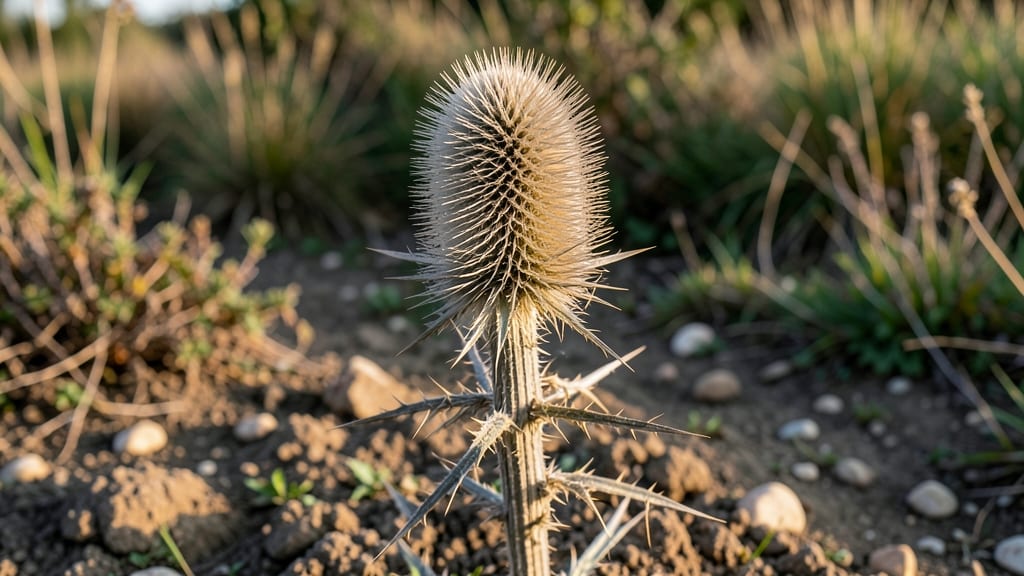
Thistle seed heads are the unsung stars of late-summer gardens—spiky, architectural, and impossible to ignore. ✨ I’ve turned mine into everything from rustic wedding bouquets to winter table centerpieces, and the twist-resistant harvesting method I use keeps them intact for months.
The secret lies in timing and technique: harvest when seed heads are fully dry but still firm, then twist gently at the base to avoid crushing the delicate stems. No pruners needed—just a little patience and a steady hand.
These dried beauties add drama to any arrangement, their deep purples and silvers standing out against golds and creams. You’ll end up with seed heads that last through holidays, their textures adding depth to dried arrangements or even framed art.
The best part? They’re free, sustainable, and support pollinators while they’re still on the plant. Perfect for gardeners who love low-maintenance, high-impact decor. Here’s how to harvest and style them like a pro!
📚 In This Guide
- What you need
- Instructions
- Tips and common mistakes
- Wrapping up and next steps
What you need
- ● Thistle seed heads: Mature, fully dried heads (look for brown, papery florets). Aim for at least 10-15 heads for a decent seed yield.
- ● Pruning shears or sharp scissors: 1 pair with clean, sharp blades (sterilize with rubbing alcohol if reusing).
- ● Paper bags or breathable mesh sacks: 2-3 medium-sized bags (12”x15” or larger) for collecting seeds. Avoid plastic—it traps moisture!
- ● Newspaper or cardboard: 1-2 sheets to lay out seed heads for drying.
- ○ Rubber gloves: 1 pair (optional but recommended—thistles can be prickly!).
- ● Seed drying tray or screen: Speeds up the drying process if you’re short on time.
- ● Labeling tags & marker: To track seed varieties and harvest dates.
- ● Small hand fan: Helps circulate air around seed heads during drying.
- ● Tweezers or fine-tip scissors: For gently plucking seeds from stubborn florets.
How to harvest thistle seed heads without twisting them
Here's the gentle method I use to collect seeds from thistles without losing them to stubborn stems.
🌿 Step 1: Identify Mature Seed Heads
Wait until seed heads turn a deep brown and feel dry to the touch—this usually happens in late summer or early fall, depending on your climate. Mature thistle seed heads will have fluffy, cotton-like fibers surrounding the seeds, making them easier to collect. Avoid harvesting when the heads are still green or damp, as the seeds won't be fully developed.
I like to check seed heads on a dry, sunny morning when the stems are stiff and less likely to snap unexpectedly. Hold the head between your fingers and give it a gentle squeeze—if it crumbles easily, it's ready. If the fibers resist or the seeds feel hard inside, wait another week or two.
🪴 Step 2: Prepare Your Tools
You'll only need two things: a pair of sharp, clean pruning shears and a large paper bag or cardboard box lined with newspaper. The shears should be sharp enough to cut through the thick stems cleanly without crushing the seed heads. I always sterilize my tools with rubbing alcohol before starting to avoid introducing any pathogens to the plant.
Place your collection container on a flat surface near the plant to minimize movement. The goal is to cut the seed head cleanly and transfer it directly to the container without dropping any seeds. If you're working with multiple thistles, label your containers with the date and variety if applicable.
✂️ Step 3: Cut the Seed Head Cleanly
Position the pruning shears just below the seed head, leaving about 2-3 inches of stem attached. This extra length makes handling easier and reduces the chance of the head twisting off during harvest. Hold the stem firmly with one hand while cutting with the other—this prevents the plant from jerking and potentially snapping the seed head.
As you cut, angle the shears slightly upward to avoid damaging the base of the plant. You'll see the stem fibers split cleanly if your shears are sharp. Immediately place the cut seed head into your collection container. Never pull or twist the head—this can cause the stem to snap and scatter seeds everywhere.
💧 Step 4: Dry and Process the Seed Heads
Once you've collected all your seed heads, spread them out in a single layer on a clean, dry surface like a baking sheet or cardboard. Place them in a warm, dry location with good air circulation—this could be a sunny windowsill or a well-ventilated room. The goal is to dry the seed heads completely, which usually takes 7-10 days depending on humidity levels.
Check daily for signs of moisture. If you see condensation on the seed heads or feel dampness when touching them, extend the drying time. Once fully dry, the seed heads will be light and brittle. Gently rub the dried heads between your hands or use a fork to separate the seeds from the chaff. Store the clean seeds in a labeled envelope or jar in a cool, dark place for up to 2 years.
🌱 Step 5: Clean Up and Prevent Spread
After harvesting, dispose of any remaining plant debris properly. Thistles can spread aggressively, so I always remove all cut stems and seed heads from the area to prevent unwanted regrowth. If you're working in a garden, consider covering the harvested area with mulch or cardboard to suppress any remaining thistle growth.
This is also a great time to check the surrounding area for new thistle seedlings. Pull any young plants you find before they mature, as they're easier to remove when small. With consistent monitoring, you can keep your garden thistle-free while still enjoying the beauty of their seed heads.
Tips & tricks for perfect thistle seed head harvesting
Here's what nobody tells you about harvesting thistle seed heads without the frustration of lost seeds.
Timing is Everything: The 7-10 day drying period mentioned in Step 4 can be tricky in humid climates. If you notice condensation forming on your seed heads during drying, extend the time by another 2-3 days or move them to a warmer spot with better airflow. A small fan on low speed can help speed up the process without damaging the delicate fibers. Think of it like making homemade jerky—patience is key to prevent mold or uneven drying.
Tool Selection Matters: While pruning shears are ideal, you can use a sharp kitchen knife in a pinch if you're working with just a few thistles. The key is to make a clean cut—any jagged edges can make handling the seed heads more difficult later. I've even used clean bolt cutters for particularly stubborn stems, but always sterilize them first with rubbing alcohol to avoid introducing plant diseases.
Harvesting in Windy Conditions: If you must harvest on a breezy day, work quickly and position yourself downwind of the plants. The cotton-like fibers from thistle seed heads can travel surprisingly far on even a light breeze. I like to wear a wide-brimmed hat and long sleeves to protect myself from tiny seed particles while working. For extra security, consider harvesting in the early morning when winds are typically calmer.
Seed Storage Secrets: The 2-year storage life for cleaned seeds assumes they're kept in a cool, dark place with minimal humidity. I store mine in glass jars with tight-sealing lids, adding a small silica gel packet to absorb any moisture. Label each jar with the date and variety—some thistle seeds lose viability faster than others. For long-term storage beyond 2 years, consider freezing the seeds in small portions to maintain maximum germination rates.
Pro Tips for Thistle Seed Heads
- Here's what nobody tells you about harvesting thistle seed heads without the frustration of lost seeds.
- Timing is Everything: The 7-10 day drying period mentioned in Step 4 can be tricky in humid climates. If you notice c...
- Tool Selection Matters: While pruning shears are ideal, you can use a sharp kitchen knife in a pinch if you're workin...
Frequently asked questions
Got questions about harvesting thistle seed heads?
You’re not alone! Here are some of the most common queries—plus straightforward answers to help you master twist-resistant seed saving like a pro.
How do I know when thistle seed heads are fully mature for harvesting?
Thistle seed heads are ready when they turn tan or light brown and the outer bracts (spiky leaves) dry out. Gently shake a head over a bag—if seeds rain down easily, they’re ripe! Avoid harvesting too early, or seeds may not germinate well. Pro tip: Morning harvests prevent seeds from scattering in the wind.
Why do my thistle seed heads keep twisting off when I try to cut them?
Thistles twist because their stems are hollow and fibrous. To avoid this, use clean, sharp pruners and cut at a 45-degree angle just above a leaf node. For stubborn stems, wrap the base with twine before cutting to stabilize it. Bonus: Harvest on a cloudy day when stems are less brittle.
Can I harvest thistle seeds year-round, or is there a best season?
Thistles produce seeds late summer to fall, but you can extend harvesting by growing them in greenhouse or container gardens. In colder climates, wait until after the first frost to ensure full maturity. Warning: Wet seeds mold easily—always dry them in a well-ventilated area (like a mesh bag) before storage.
What’s the best way to store thistle seeds long-term?
Store seeds in a cool (32–40°F), dry place (like a fridge or root cellar) in airtight containers with silica gel packets. Label them with the harvest date—most thistle seeds stay viable for 2–3 years. Pro move: Freeze seeds for 48 hours before storage to kill pests.
Are there alternatives to thistles for twist-resistant seed saving?
Yes! Try sunflowers (sturdy stems, easy to cut) or echinacea (dries well with minimal twisting). For lawn-friendly options, clover or dandelions are low-maintenance and produce abundant seeds. Just be mindful of local regulations—some "weeds" are protected in certain areas.
Wrapping up and next steps
Thistle seed heads may seem tricky, but with the right tools and techniques, you can harvest them year-round while keeping your garden thriving! 🌱 Whether you're saving seeds for resilience or simply embracing nature’s bounty, this twist-resistant method makes the process easier—and more rewarding. Now’s the perfect time to put these tips into action.
- Start small: Pick a few seed heads to practice your harvesting skills before scaling up.
- Share your success: Swap seeds with fellow gardeners or post your harvests online for inspiration!
Happy harvesting—and may your garden be as resilient as the thistles you’re saving! 🌿