
Lawn
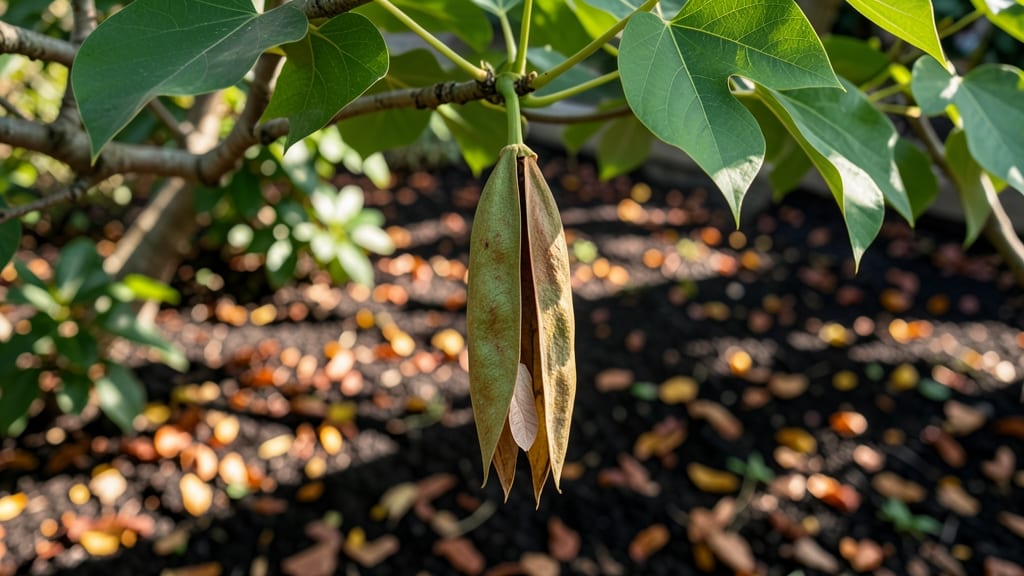
Tulip tree seed pods split open with a satisfying pop—and that’s your cue to harvest before the winged seeds scatter. 🌿 I’ve learned the hard way that waiting too long means lost seeds, so timing is everything.
These pods appear in late summer, but they’re ready for collection when they turn brown and start cracking open naturally. The process is simple: wear gloves, gather the pods, and let them dry indoors for a week. Once dry, gently squeeze the pods to release the seeds—no tools needed.
Each seed has a papery wing that helps it float, but you’ll want to plant them fresh for the best germination rates. You’ll end up with dozens of seeds ready for cold stratification, which mimics winter conditions and boosts germination.
Plant them in pots with well-draining soil, keep them moist, and place them in the fridge for 6-8 weeks before moving to a sunny spot. This method works for backyard gardeners or urban growers with small spaces.
The key is patience—tulip tree saplings grow slowly but become majestic shade trees over time.
📚 In This Guide
- What you need
- Instructions
- Tips and common mistakes
- Wrapping up and next steps
What you need
- ● Mature tulip tree seed pods (harvested when brown and dry, typically late fall/winter): Quantity: 10–20 pods (more = better yield, but 5–10 works for small projects)
- ● Size: 3–5 inches long (standard for Liriodendron tulipifera)
- ● Pruning shears or sharp knife (for pod removal from branches)
- ● Large bucket or trash bag (to collect pods and debris)
- ● Newspaper or cardboard (for drying pods indoors)
- ● Small hammer or mallet (to crack open pods)
- ● Tweezers or gloved hands (for gently extracting seeds)
- ● Paper towels or mesh screen (to separate seeds from chaff)
- ● Air-tight container (e.g., mason jar or resealable bag) (for seed storage)
- ● Permanent marker (to label containers with harvest date)
- ● Gloves (to protect hands from seed pods and sap)
- ● Fan or dehumidifier (to speed up drying in humid climates)
- ● Seedling trays or pots (if you plan to germinate seeds immediately)
- ● Desiccant packets (to keep stored seeds extra dry)
- ● Notebook (to track germination dates and success rates)
Step-by-step guide to extracting tulip tree seeds from pods
Harvesting seeds from tulip tree pods is simple once you know the right timing and technique.
🌿 Step 1: Identify and Harvest Ripe Seed Pods
Tulip tree seed pods turn from green to brown when fully mature, usually in late fall or early winter (around October to November). The pods will feel dry and papery to the touch—this is your cue they're ready. I always harvest them before they split open naturally on the tree, which can scatter seeds unpredictably.
Use clean, sharp pruning shears to cut the pods from the tree, leaving a small stem attached. Place them in a paper bag (not plastic) to allow airflow. If you miss the harvest window, pods will eventually split open on their own, but seeds may lose viability if exposed to moisture or pests.
✂️ Step 2: Dry the Pods Thoroughly
Spread the harvested pods in a single layer on a dry, well-ventilated surface—like a mesh screen or a cardboard box with holes punched in the bottom. Place them in a cool, dry location (around 60-70°F) for 2-3 weeks. This slow drying prevents mold and ensures seeds remain viable. I often set them on my garage floor near a window where they get indirect light.
Check daily for any signs of mold or soft spots. If you notice moisture buildup or an unpleasant smell, increase airflow immediately. Once the pods are completely dry and brittle, they’re ready for seed extraction.
🪴 Step 3: Extract the Seeds Carefully
Place a dry pod on a flat surface and gently squeeze it between your palms. The pod should split open easily, revealing large, flat, winged seeds inside. Be patient—don’t force it, or you might damage the seeds. I like to do this outside or over a tray to catch any seeds that might fall unexpectedly.
Remove any debris or empty seed casings. Store the clean seeds in a paper envelope (not plastic) in a cool, dry place until spring planting. Label the envelope with the harvest date—this helps track seed freshness, as tulip tree seeds lose viability over time.
🌱 Step 4: Prepare Seeds for Planting Next Season
Tulip tree seeds require stratification (a cold period) to germinate successfully. In late winter (February), place the seeds in a plastic bag with slightly damp sand or peat moss. Seal the bag loosely and refrigerate for 6-8 weeks at 35-40°F. This mimics natural winter conditions and breaks seed dormancy.
After stratification, plant the seeds ½ inch deep in well-draining soil outdoors in early spring. Keep the soil consistently moist but not soggy. Germination can take 2-4 weeks, so patience is key. Young seedlings grow quickly once they sprout!
Tips & tricks for perfect tulip tree seed extraction
Here's what nobody tells you about making the most of your tulip tree harvest.
Timing is Everything: Harvest pods when they're fully brown and papery, but before they split open naturally. I've learned the hard way that waiting too long means seeds scatter or get damaged by pests. If you miss the window, pods will open on their tree, but seeds may not stay viable. Mark your calendar for October-November—this is the only time to catch them at peak readiness.
Drying Strategy: Spread pods in a single layer with plenty of airflow—this prevents mold and preserves seed quality. I use a mesh screen in my garage near a window for indirect light. The 2-3 week drying period at 60-70°F is non-negotiable; rushing this step can lead to poor germination. Check daily for any soft spots or moisture buildup—this is your early warning system for potential mold.
Seed Handling: When extracting seeds, work gently but firmly—these winged seeds are delicate. I place pods on a tray outside to catch any seeds that might escape. After extraction, store seeds in paper envelopes (never plastic) to prevent moisture buildup. Label each envelope with the harvest date—this helps track seed freshness since tulip tree seeds lose viability over time. The cooler and drier your storage space, the better.
Pro Tips for Tulip Tree Seed Pod
- Here's what nobody tells you about making the most of your tulip tree harvest.
- Timing is Everything: Harvest pods when they're fully brown and papery, but before they split open naturally. I've le...
- Drying Strategy: Spread pods in a single layer with plenty of airflow—this prevents mold and preserves seed quality. ...
Frequently asked questions
Got questions about harvesting and saving tulip tree seed pods? You’re not alone! Here are answers to the most common queries—from timing to troubleshooting—so you can maximize your chances of growing new trees next season.
When is the best time to collect tulip tree seed pods?
Harvest pods when they turn brown and papery (late fall to early winter), but before they split open. If you miss this window, seeds may scatter naturally—but you can still gather fallen pods in spring. Avoid collecting green pods; they won’t yield viable seeds.
How do I know if the seeds inside are still good?
Fresh seeds should be plump, dark brown, and slightly sticky. If they’re shriveled, moldy, or floating in water (the float test), they’re likely non-viable. Store good seeds in a cool, dry place (like a paper envelope) until spring planting. Pro tip: Label your seeds with the harvest year!
Can I plant the seeds right away, or do they need stratification?
Tulip tree seeds do not require stratification—just plant them 1/4 inch deep in well-draining soil after the last frost. For faster germination, soak seeds in water for 24 hours before planting. Bonus: They thrive in full sun to partial shade!
What should I do if squirrels or birds eat my pods/seeds?
These critters love tulip tree seeds! To outsmart them, harvest pods early (before they fully dry) and store them indoors. For extra protection, use mesh bags or plant seeds in deep containers (like milk jugs with holes) until they sprout.
Are there alternatives if I can’t find seed pods?
Yes! Buy nursery-grown tulip tree seedlings (look for Liriodendron tulipifera labels) or collect seedlings naturally—they often pop up where pods have fallen. Just ensure they’re at least 2–3 feet tall before transplanting.
Wrapping up and next steps
Harvesting tulip tree seed pods is a rewarding way to embrace zero-waste gardening while ensuring a fresh supply of seeds for next year! 🌱 These unique pods offer a simple, eco-friendly solution—just gather, dry, and store them properly.
Whether you're a seasoned gardener or just starting out, this process is both fun and sustainable.
Now that you’re equipped with the know-how, why not take the next step? Share your findings with fellow plant enthusiasts, experiment with growing your own tulip trees, or even explore creative uses for the pods. Happy harvesting—and here’s to a greener, seed-filled future! 🌿