
Lawn
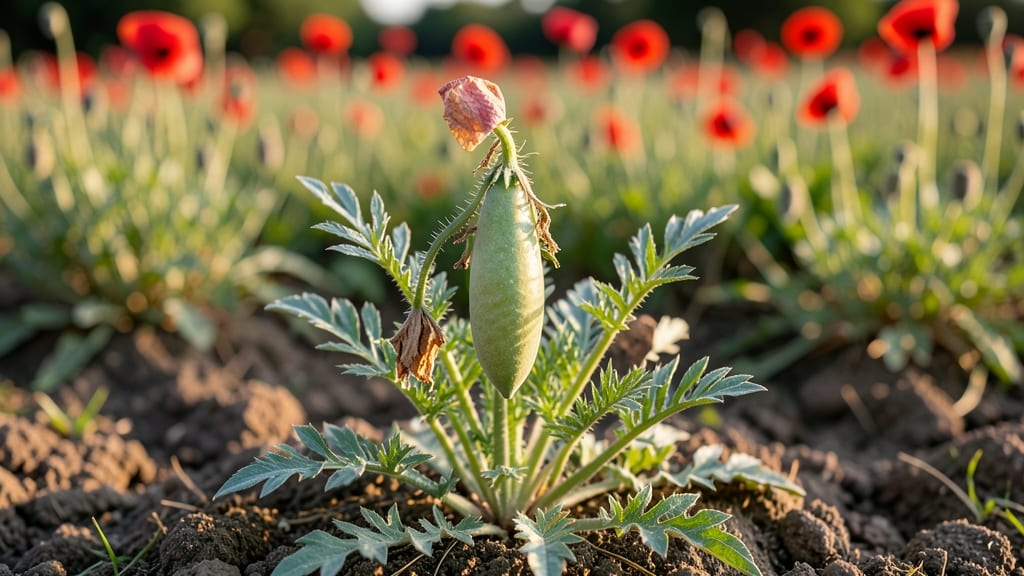
Those stubborn unripe poppy seed pods are nature’s way of telling you something needs to change. 🌻 I’ve wrestled with them too—pods that stay green, leathery, and empty when they should be plump and ready to split open.
The good news? Most of the time, it’s fixable with a few simple adjustments to light, water, or even a little extra help from you.
Poppies are finicky about timing, and if your pods aren’t ripening by late summer, check for three common culprits: too much water (which rots them before they dry), inconsistent sunlight (they need at least 6 hours of direct sun daily), or pests like aphids sapping their energy.
Even a light frost can trick them into thinking winter’s coming too soon.
Here’s the game-changer: if pods stay green past their prime, try hand-pollinating with a soft paintbrush to encourage seed set. Once they finally dry, harvest them on a sunny day, then store the seeds in a cool, dry spot until spring.
You’ll wake up to a sea of vibrant orange blooms next year—no guesswork involved.
Works for both ornamental and opium poppies, though the latter requires extra caution. The key is patience—poppies reward persistence with months of effortless beauty. Let’s troubleshoot yours before they slip away.
📚 In This Guide
- What you need
- Instructions
- Tips and common mistakes
- Wrapping up and next steps
What you need
- ● Unripe poppy seed pods: Harvest when pods are fully developed but still green (before they split open). Aim for at least 10–15 pods for a good yield.
- ● Pruning shears or sharp scissors: For cleanly snipping stems (avoid tearing pods).
- ● Paper bags or breathable mesh bags: 2–3 medium-sized bags (brown paper or burlap works best for airflow).
- ● Drying rack or wire mesh screen: Elevate pods to prevent mold (a wooden frame or hanging mesh works).
- ○ Desiccant (optional but helpful): Silica gel packets or uncooked rice (1–2 cups) to absorb moisture.
- ● Air-tight storage containers: Glass jars with tight lids or food-grade plastic containers (label with the year!).
- ● Pencil or marker: For labeling pods with the harvest date.
- ● Fan or dehumidifier: Speed up drying in humid climates.
- ● Fine-mesh sieve: For separating seeds from chaff later.
- ● Twine or rubber bands: Secure pods in bundles for hanging.
- ● Freezer-safe bags: If you plan to store pods in the freezer for extra preservation.
How to harvest, dry, and store unripe poppy seed pods
Poppy seed pods take patience, but with these steps, you'll preserve them perfectly for next year's garden.
🌱 Step 1: Identify and Harvest Mature Pods
Wait until pods turn from green to a papery brown color—this means seeds are fully developed inside. Gently twist the pod from the stem (don't cut) to avoid damaging the plant. I like to harvest in the morning when dew is off the pods, as they're sturdier and less likely to split open during handling.
If pods are still green, leave them on the plant—they won't dry properly. You'll know they're ready when they feel dry and papery to the touch, almost like crinkled paper. Collect pods in a paper bag to prevent moisture buildup, which can cause mold during drying.
💧 Step 2: Dry the Pods Thoroughly
Spread pods in a single layer on a mesh screen or clean paper towel in a warm, dry place with good airflow. I use a sunny windowsill or a well-ventilated room with temperatures between 65-75°F. Avoid direct sunlight—it can overheat the pods and cause them to crack prematurely.
Turn pods every 2-3 days to ensure even drying. They're ready when the pods feel completely dry and hollow when tapped (they should sound empty inside). This usually takes 2-4 weeks, depending on humidity levels in your home. If your home feels damp, drying may take longer.
✂️ Step 3: Open and Store the Seeds
Once fully dry, gently open each pod by rolling it between your palms or tapping it lightly with a small hammer. I place a sheet of paper underneath to catch the seeds and prevent mess. Remove any debris or chaff by sifting through the seeds with your fingers or a fine-mesh strainer.
Store seeds in a sealed envelope or small glass jar with a tight lid in a cool, dark place. Label the container with the date and variety. Poppy seeds stay viable for 2-3 years when stored properly. Check periodically for signs of moisture or pests—if you see any, transfer the seeds to a fresh container immediately.
🌿 Step 4: Prepare for Next Year’s Planting
Before planting next year, test a few seeds by pressing them into damp paper towels and placing them in a warm spot. If they sprout within 7-10 days, your stored seeds are still good. Poppies prefer well-draining soil and full sun, so choose a spot that gets at least 6 hours of sunlight daily.
Sow seeds directly in the garden in early spring or late summer, as they dislike transplanting. Scatter seeds on the soil surface and lightly cover with a thin layer of soil—no need to press them in. Keep the soil consistently moist until germination, which typically occurs in 10-14 days. With proper care, you'll have vibrant poppies blooming again next season!
Tips & tricks for perfect poppy seed pod preservation
Here's what nobody tells you about making sure your poppy seed pods stay viable for planting next season.
Harvest Timing: I can't stress this enough—harvest pods only when they're completely papery brown, not just slightly brownish. Green pods won't dry properly, and you'll end up with seeds that won't sprout. The morning after a dry night is ideal because dew makes pods more brittle and prone to splitting. If you harvest too early, you'll waste weeks waiting for pods that will never fully dry.
Drying Environment: The 65-75°F temperature range in Step 2 is crucial, but humidity is just as important. If your home feels damp, drying may take the full 4 weeks instead of 2. I've found that placing a small fan nearby helps circulate air without creating drafts that could scatter pods. Never use an oven or dehydrator—even at low temperatures, these can overheat pods and cause them to crack open prematurely.
Storage Wisdom: That 2-3 year viability window only applies if you store seeds properly. I recommend using glass jars over envelopes because they're less likely to develop moisture over time. Place a small packet of silica gel inside the jar to absorb any trace moisture that might develop during storage. Check your seeds every 6 months by testing a few in damp paper towels—they should sprout within 7-10 days if stored correctly.
Pro Tips for Unripe Poppy Seed Pod
- Here's what nobody tells you about making sure your poppy seed pods stay viable for planting next season.
- Harvest Timing: I can't stress this enough—harvest pods only when they're completely papery brown, not just slightly brownish.
- Drying Environment: The 65-75°F temperature range in Step 2 is crucial, but humidity is just as important.
Frequently asked questions
Got questions about harvesting and storing unripe poppy seed pods? You’re not alone! Here are some common queries—and their answers—to help you master the process like a pro.
Why can’t I just harvest poppy pods when they’re fully ripe?
Fully ripe poppy pods will open and release seeds on their own, making them tricky to collect. Harvesting them unripe (when they’re still green and firm) lets you control the process, ensuring you save seeds for next season without losing them to wind or wildlife. Plus, dried pods stored properly can last years!
How do I know when poppy seed pods are ready to harvest?
Look for pods that are plump but still green—not yet brown or papery. They should feel firm to the touch, like a small, unripe fruit. If they’re already cracking open or turning brittle, you’ve missed the window! Aim for late summer to early fall, depending on your climate.
Can I store poppy seed pods in the fridge instead of drying them?
While you can refrigerate fresh pods in a paper bag for a few weeks, drying them first is ideal for long-term storage. Moisture speeds up mold or rot, so opt for the drying method (hanging upside down in a cool, dark place) for seeds that stay viable 2–3 years or longer.
What do I do if my stored pods get moldy or bugs?
If you spot mold or pests, act fast! Discard any contaminated pods immediately. Store the rest in an airtight container with silica gel packets or rice (a natural moisture absorber) to prevent future issues. For extra protection, freeze clean pods for 48 hours to kill eggs or larvae.
Will dried poppy seed pods still grow flowers next year?
As long as you’ve stored them properly (dry, cool, and dark), the seeds inside should germinate into vibrant, new poppies. For best results, plant them in well-draining soil in early spring—just mimic the conditions their wild ancestors loved!
Wrapping up and next steps
Harvesting and storing unripe poppy seed pods is a rewarding way to ensure next year’s vibrant blooms—without breaking the bank!
By following these simple steps, you’ll preserve seeds, extend your garden’s beauty, and even share the bounty with fellow gardening enthusiasts. Your patience today will pay off with a stunning poppy display tomorrow!
Ready to take the next step? Mark your calendar for early spring planting, and watch your garden transform into a sea of color. Happy gardening! 🌸🌱