
Size
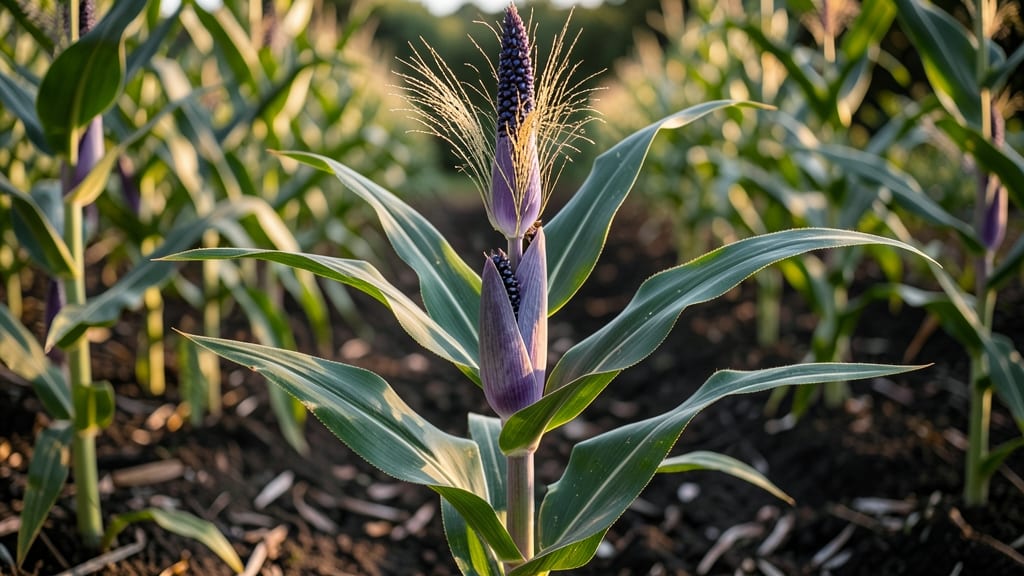
Growing violet corn from seed turns your garden into a living work of art. 🌿 This striking heirloom variety—like Black Aztec—produces deep purple stalks, golden tassels, and kernels that pop when cooked. The best part? It’s just as rewarding to grow for show as it is for the table.
Start with fresh seeds in well-draining soil, planted 1 inch deep and 12 inches apart after your last frost. Violet corn thrives in full sun and needs 1-2 inches of water weekly, but avoid soggy soil.
The stalks grow 6-8 feet tall, so stake them early to prevent flopping. By late summer, you’ll harvest bold, ornamental ears that dry beautifully for seed saving. The kernels toast like popcorn or add vibrant color to salads.
Even the husks make stunning dried arrangements—your garden becomes both a feast and a focal point. Works in zones 4-10, though cooler climates need a longer growing season. Pair with beans or squash for a traditional Three Sisters garden. Ready to grow something unforgettable?
📚 In This Guide
- What you need
- Instructions
- Tips and common mistakes
- Wrapping up and next steps
What you need
- ● Violet corn seeds: 50–100 seeds (choose heirloom or organic varieties for best results).
- ● Garden plot or containers: For in-ground planting: A sunny spot (6+ hours of sunlight daily) with well-draining soil, at least 3 ft wide x 6 ft long per 10 plants.
- ● For containers: 5-gallon pots or larger (minimum 12" deep), with drainage holes.
- ● Soil: Loamy, fertile soil with a pH of 6.0–7.0. Mix in 2–3 inches of compost before planting.
- ● Fertilizer: Balanced organic fertilizer (e.g., 10-10-10) or compost tea for slow-release nutrients.
- ● Watering can or hose: With a gentle spray nozzle for even moisture.
- ○ Trellis or stakes (optional but helpful): For varieties that may need support (e.g., 6-ft bamboo stakes or a 4-ft tall trellis).
- ● Mulch: Straw or shredded leaves to retain moisture and suppress weeds.
- ● Seedling trays: For starting seeds indoors 4–6 weeks before last frost (biodegradable pots preferred).
- ● Row covers: Lightweight fabric to protect young plants from pests or frost.
- ● pH test kit: To ensure soil acidity is ideal for corn.
- ● Corn-specific pest deterrents: Neem oil or diatomaceous earth for organic pest control.
- ● Journal/notebook: To track planting dates, watering schedules, and growth milestones!
Step-by-step guide to cultivating violet corn from seed
Here’s how to transform those striking purple kernels into a thriving garden that rewards you with bold blooms and seeds for years.
🌱 Step 1: Start Seeds Indoors for Early Growth
Violet corn thrives when given a head start indoors, especially in cooler climates. Fill 4-inch pots with sterile seed-starting mix (never garden soil—it’s too dense) and plant 2 seeds per pot at a depth of ½ inch, about ¼ inch deeper than the kernel’s diameter. The reason? Corn seeds need darkness to germinate, and burying them properly prevents uneven sprouting.
Keep the soil consistently moist (not soggy) by watering from the bottom or misting lightly with a spray bottle. Place pots in a warm location—a seedling heat mat set to 75-80°F speeds germination dramatically. You’ll see first sprouts in 7-14 days, depending on your climate. Real talk: If you’re impatient, check daily but resist the urge to water more than needed—overwatering at this stage drowns seeds before they break through.
☀️ Step 2: Harden Off and Transplant After Frost
Once seedlings reach 4-6 inches tall with 3-4 true leaves, it’s time to harden them off. Move pots outside to a shaded, sheltered spot for 2-3 hours the first day, gradually increasing exposure over 7-10 days. Watch for wilting or yellowing—this means they’re not ready for full sun yet. Corn’s thick leaves burn easily when transitioned too quickly.
Transplant outdoors 2-3 weeks after your last frost date when soil temperatures hit 60°F. Space plants 12-18 inches apart in rows 3 feet apart—this gives roots room to spread and prevents competition. Dig holes twice as wide as the root ball and firm soil around the base to eliminate air pockets. Water deeply right after planting to settle the soil and encourage root growth.
💧 Step 3: Provide Consistent Moisture and Nutrients
Violet corn loves deep, consistent watering—1-2 inches per week—but hates soggy feet. Water at the base of the plant in the early morning to reduce fungal risks. You’ll know moisture is right when the top 2 inches of soil feel dry to the touch. Mulch with 2-3 inches of straw to retain moisture and suppress weeds. This step is critical: Uneven watering causes uneven kernel development, ruining that signature purple hue.
Feed plants every 4-6 weeks with a balanced organic fertilizer (10-10-10 ratio) to support both foliage and seed production. When tassels (male flowers) appear, switch to a low-nitrogen, high-phosphorus fertilizer to boost seed development. Watch for drooping leaves—a sign of nutrient deficiency or underwatering. Adjust immediately by watering deeply and applying a foliar feed.
✂️ Step 4: Support Pollination and Harvest Seeds
Corn is wind-pollinated, but vigorous shaking of tassels in calm weather helps ensure cross-pollination, especially in small gardens. You’ll know pollination worked when silks turn brown and kernels plump up 20-25 days later. For violet corn, harvest when kernels are fully mature but still slightly soft—this preserves the deep purple color. Cut stalks at the base with pruning shears and hang them upside down in a dry, well-ventilated area for 2-3 weeks to dry completely.
Once dry, rub kernels between your fingers to release them from the cob. Store in an airtight container in a cool, dark place for up to 2 years. Here’s the thing—violet corn’s color fades if stored in heat or humidity, so keep it sealed tight. Save a few kernels each year to replant, and you’ll have a self-sustaining garden of striking purple ears for decades.
Tips & tricks for growing stunning violet corn from seed
Transforming those vibrant purple kernels into a thriving garden takes patience and precision—but these insider tips will help you avoid common pitfalls and maximize your harvest.
Germination Secrets: The ½-inch planting depth is non-negotiable for violet corn seeds. Too shallow and they won’t germinate properly; too deep and they’ll struggle to break through. I’ve found that using a pencil to mark the planting depth helps maintain consistency across all pots. For extra insurance, place a small weight on top of the soil for the first 48 hours—this keeps the seeds in firm contact with the moist mix while they establish.
Heat Mat Hack: That 75-80°F heat mat temperature is your secret weapon for faster germination. If you don’t have one, place pots on top of your refrigerator (the warm coils at the back create perfect conditions) or nestle them inside a closed cardboard box with a heat lamp aimed at one side. Just monitor closely—overheating can cause seeds to dry out before sprouting. The 7-14 day window is wide for a reason: cooler homes may take the full two weeks, while warmer spots can see sprouts in just days.
Transplanting Pro Tip: When transplanting outdoors after frost, I always dig the holes twice as wide as the root ball and mix in a handful of compost. This creates a nutrient-rich zone right where the roots need it most. For the 12-18 inch spacing, use a string and stakes to create a grid pattern before planting—this ensures perfect alignment and makes future maintenance easier. Water immediately after transplanting, but don’t overdo it; soggy soil at this stage can lead to root rot.
Harvest Timing: The 20-25 day window after pollination is crucial for preserving that signature purple color. I recommend checking kernels every 3-4 days starting at day 18—press a kernel gently with your thumbnail. If it gives slightly but still feels firm, it’s ready. For the drying process, hang stalks in a spot with good airflow but no direct sunlight; too much light can cause the kernels to bleach out. A laundry room with a ceiling fan works perfectly in my experience.
Pro Tips for Violet Corn Seed Grow A Garden
- Transforming those vibrant purple kernels into a thriving garden takes patience and precision—but these insider tips will help you avoid common pitfalls and maximize your harvest.
- Germination Secrets: The ½-inch planting depth is non-negotiable for violet corn seeds.
- Heat Mat Hack: That 75-80°F heat mat temperature is your secret weapon for faster germination.
Frequently asked questions
Got questions about growing violet corn? You’re not alone! Here are some of the most common queries—plus straightforward answers to help your garden thrive.
How long does it take for violet corn seeds to germinate?
Violet corn seeds typically germinate within 7–14 days after planting, depending on soil warmth and moisture. Keep the soil consistently moist (not soggy) and in a sunny spot to speed things up. If germination takes longer than 2 weeks, gently check for mold or rot—adjust watering if needed.
When is the best time to plant violet corn seeds?
For most climates, sow seeds 2–3 weeks after the last frost when soil temps reach 60°F+ (15°C+). In warmer regions, you can plant in early spring or late summer for a fall harvest. Violet corn loves heat, so avoid planting too early—cold soil can stunt growth.
Can I grow violet corn in containers? What size pot do I need?
Yes! Violet corn thrives in 5-gallon+ containers with at least 12–18 inches of depth. Use well-draining soil and support the stalks with stakes or a trellis as they grow tall (up to 8 feet). Just ensure the pot stays moist and gets 6+ hours of sunlight daily.
What can I do if my violet corn plants aren’t turning purple?
Purple hues fade if plants lack sunlight, nutrients, or water. First, check for 6+ hours of direct sun daily. Amend soil with compost or balanced fertilizer (low nitrogen) to boost color. Overwatering or drought stress can also dull pigment—aim for 1–1.5 inches of water per week.
How do I save seeds from my violet corn for next year?
Let some ears dry on the stalk until kernels turn hard and lose moisture (usually 4–6 weeks after pollination). Shell the seeds, store them in a cool, dry place, and label with the year. For best viability, use seeds within 1–2 years. Avoid cross-pollination by spacing plants 20+ feet apart.
Wrapping up and next steps
Growing violet corn from seed is a rewarding journey that brings vibrant color and unique texture to your garden—while ensuring a steady supply of seeds for future harvests! 🌱 With the right soil, spacing, and care, you’ll enjoy stunning blooms and viable kernels year after year.
Whether you’re a beginner or seasoned gardener, this bold crop adds beauty and versatility to your plot.
Ready to take the next step? Start small—plant a few seeds this season, experiment with companion plants, and soon you’ll be sharing your violet corn harvest with friends or even selling at local markets. Happy planting! 🌟