
Vegetables
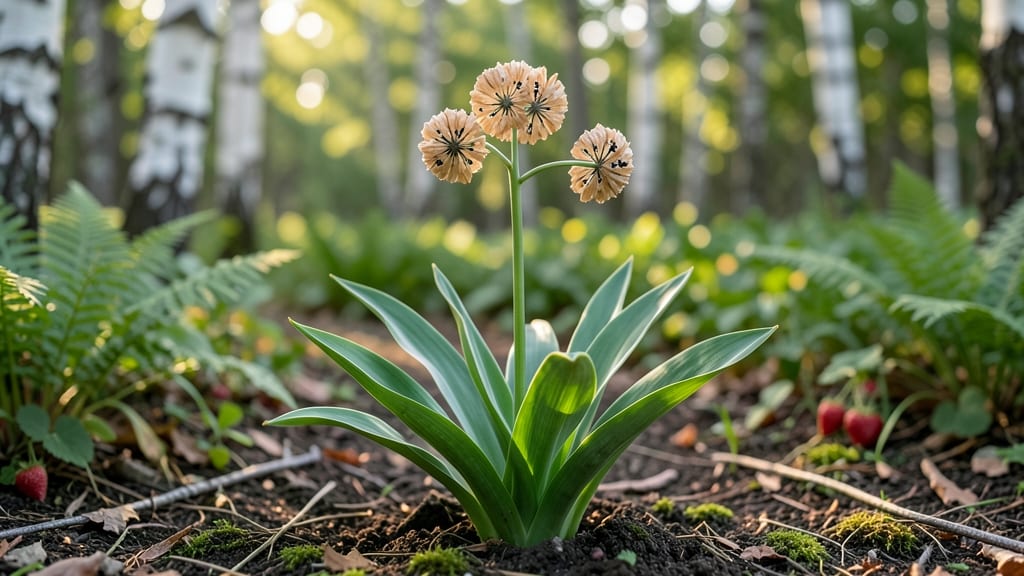
Harvesting wild garlic seed heads means never buying bulbs again. 🌱 The secret to year-round harvesting lies in those delicate, onion-scented seed clusters—when you know exactly when and how to collect them, you unlock a self-sustaining garlic supply that multiplies every year.
Start by identifying mature seed heads in late spring or early summer—they’ll look like tiny, round, papery pods dangling from stems, with a faint garlic aroma when crushed.
The key is patience: let them dry on the plant until they turn golden-brown, then gently twist them off without damaging the bulb below. Store them in a cool, dry place until planting season arrives.
When you’re ready to sow, scatter the seeds in well-draining soil with a light dusting of compost. They germinate best in fall or early spring, and within a year, you’ll have lush wild garlic plants ready to harvest leaves or replant.
The first harvest is modest, but each year the patch grows thicker and more productive.
Watch for challenges like uneven germination or seed viability—some years produce more seeds than others. But with proper timing and care, you’ll soon have wild garlic popping up everywhere, turning your garden into a fragrant, self-replenishing feast. Here’s how to make it work without the guesswork.
📚 In This Guide
- What you need
- Instructions
- Tips and common mistakes
- Wrapping up and next steps
What you need
- ● Wild garlic plants – Mature plants (at least 12–18 inches tall) with visible seed heads (typically in late spring to early summer). Aim for healthy, pest-free specimens.
- ● Pruning shears or sharp scissors – For clean cuts (avoid tearing the stems). A bypass pruner works best for thick stems.
- ● Paper bags or breathable mesh bags – 2–3 medium-sized bags (14x18 inches) to collect seed heads. Avoid plastic to prevent moisture buildup.
- ○ Labeling tags or masking tape + marker – To mark bags with the harvest date or plant variety (optional but helpful!).
- ○ Gloves (optional but recommended) – Wild garlic can stain hands, and gloves protect against sap irritation for sensitive skin.
- ● Drying rack or screen – A wire mesh rack or even a clean window screen works for air-drying seed heads.
- ○ Food dehydrator (optional) – Set to 95–115°F for even drying if humidity is high.
- ● Small fan or ventilated space – Ensures even airflow for faster drying (e.g., a box fan on low).
- ● Mortar and pestle or rolling pin – For gently crushing dried seed heads to release seeds.
- ● Fine-mesh sieve or cheesecloth – To sift seeds from chaff and debris.
- ● Knowledge of wild garlic’s legal status in your area—some regions restrict harvesting. When in doubt, ask a local forager or botanist!
- ● A sunny, dry day for harvesting to prevent mold or mildew on seed heads.
- ● Patience! Seed heads take 2–4 weeks to fully dry, depending on conditions.
Step-by-step guide to harvesting wild garlic seed heads
Turn wild garlic's late-season bounty into seeds without breaking a sweat—here’s how.
🌿 Step 1: Identify and Select Healthy Seed Stems
Wild garlic produces seed heads after flowering, typically in late spring or early summer. Look for mature plants with fully browned seed pods—these are ready for harvest. Avoid stems with yellowing leaves or signs of disease, as those seeds may not germinate well. I like to harvest on a dry morning when dew has evaporated; this prevents moisture from sticking to the seed heads and makes handling easier.
Gently grasp the seed stem near the base and give it a firm but gentle tug. The seed head should pull away cleanly if it's ready. If it resists, wait another day or two. Never twist the stem—this can damage the plant or leave behind stubborn bits that won’t come off easily. A sharp pair of pruning shears works well for stubborn stems, but I find my hands do the job just fine for most wild garlic.
💧 Step 2: Dry the Seed Heads Properly
Once harvested, lay the seed heads in a single layer on a clean, dry surface like a mesh screen or a piece of cardboard. Place them in a warm, dry, and well-ventilated area, away from direct sunlight but with good airflow. A covered porch, garage, or even a sunny windowsill with indirect light works well. The goal is to dry the seed heads slowly over 1-2 weeks—this prevents mold and ensures the seeds remain viable.
Check the seed heads daily. They’re ready when the pods are completely dry and brittle to the touch. You’ll hear a faint crunching sound when you gently rub the pods between your fingers. If you see any signs of moisture or mold, move them to a drier spot immediately. I’ve learned the hard way that rushing the drying process can ruin an entire batch of seeds.
✂️ Step 3: Remove and Store the Seeds
Once the seed heads are fully dry, place them in a paper bag and gently shake or rub them to release the seeds. You can also use a small bowl and tap the seed heads with a spoon to coax out the seeds. Wild garlic seeds are tiny and dark, so I like to spread them out on a sheet of white paper to make them easier to see and collect. Use a fine-mesh strainer or a soft paintbrush to gather any seeds that stick to the paper.
Store the seeds in an airtight container, like a small glass jar or a resealable plastic bag, in a cool, dry place. Label the container with the date and variety if you’re harvesting from multiple sources. Wild garlic seeds stay viable for 1-2 years if stored properly, though I’ve had the best luck planting them within the first year for the highest germination rates.
🌱 Step 4: Plant the Seeds for Next Year’s Harvest
When you’re ready to plant, scatter the seeds directly into the soil in early spring or fall. Wild garlic thrives in partial shade to full sun and prefers moist, well-draining soil. I like to sow them in a garden bed or along the edges of a woodland area where they can naturalize. Press the seeds lightly into the soil—about ¼ inch deep—and water gently but thoroughly to settle them in place.
Keep the soil consistently moist until the seedlings emerge, which typically takes 2-4 weeks. Once they’re established, wild garlic is quite hardy and requires minimal care. You’ll know they’re happy when you see the characteristic broad, lance-shaped leaves. Avoid overcrowding by thinning seedlings to 6-8 inches apart once they’re a few inches tall. This gives them room to grow and prevents competition for nutrients.
Tips & tricks for perfect wild garlic seed collection
Here's what nobody tells you about turning wild garlic's bounty into seeds without the fuss.
Timing is Everything: Harvest your seed heads when they're fully browned but before they start splitting open on their own. I've found that morning harvests work best—dew-free stems are easier to handle and dry faster. If you wait too long, seeds may scatter before you can collect them, and if you harvest too early, they won't be fully mature. The pods should feel dry and papery to the touch when you gently squeeze them.
Drying Wisdom: The 1-2 week drying period is non-negotiable for seed viability. I've ruined batches by trying to rush this step with a hairdryer or oven—don't make my mistake! Use a mesh screen or cardboard box with good airflow, and check daily for moisture. If you notice any mold starting, move your seed heads to a warmer, drier spot immediately. A sunny windowsill with indirect light works perfectly while keeping them safe from direct sun that could overheat them.
Seed Extraction Hack: For those stubborn seeds that stick to the paper after shaking, try this: place the dry seed heads in a clean sock or old nylon stocking, tie it closed, and gently shake over a bowl. The fabric helps release more seeds than paper alone. Once you've collected all the seeds, I recommend sifting them through a fine-mesh strainer to remove any plant debris—it makes storage cleaner and planting easier.
Storage Secrets: Label your seed containers with the harvest date—this helps track viability. I've had great success storing seeds in small glass jars with silica gel packets to absorb any moisture. For long-term storage beyond 1 year, consider freezing the seeds in small portions—they'll maintain viability for up to 5 years in the freezer. Just make sure to thaw them completely before planting.
Pro Tips for Wild Garlic Seed Heads
- Here's what nobody tells you about turning wild garlic's bounty into seeds without the fuss.
- Timing is Everything: Harvest your seed heads when they're fully browned but before they start splitting open on thei...
- Drying Wisdom: The 1-2 week drying period is non-negotiable for seed viability. I've ruined batches by trying to rush...
Frequently asked questions
about wild garlic seed heads—because foraging and harvesting should be as easy as breathing in that fresh, pungent aroma! Here are the answers to the questions we hear most often.Can I eat wild garlic seed heads like I do the leaves?
No, you can’t eat the seed heads themselves—they’re tough and bitter. However, the flowers (which turn into seed heads) are edible and delicious! Use them raw in salads or lightly sautéed for a garlicky punch. Save the seed heads for propagation or composting.
When is the best time to harvest wild garlic seed heads?
Harvest seed heads when they’re fully brown and dry but before they release seeds (late spring to early summer). This ensures you can replant them or save seeds for next year. Avoid harvesting when they’re still green—they’ll be too fibrous and less effective for propagation.
How do I identify wild garlic seed heads without confusing them with toxic look-alikes?
Wild garlic (Allium ursinum) seed heads have long, thin stems and round, papery bulbs. The leaves are broad, arrow-shaped, and smell strongly of garlic when crushed. Never eat anything if you’re unsure! Cross-reference with a field guide or local foraging group for confirmation.
Can I grow wild garlic from seed heads at home?
Collect mature seed heads, dry them in a paper bag, then shake out the seeds. Plant them in moist, shaded soil in early fall. They’ll sprout slowly but reliably. Pro tip: Mulch heavily to mimic their forest habitat—wild garlic loves shade and moisture!
What can I do if my wild garlic seed heads won’t release seeds?
If seed heads stay stubbornly closed, they may need a little encouragement. Place them in a paper bag and shake gently to loosen seeds, or leave them in a warm, dry spot for a few days. If they’re still sealed, they might not be fully ripe—try harvesting next year’s batch instead.
Are there alternatives to wild garlic if I can’t find seed heads?
Yes! Try cultivated garlic (Allium sativum) or wild onion (Allium vineale) for similar flavors. For a wild twist, look for ramps (wild leeks) or chives in early spring. Just remember—wild garlic’s unique taste comes from its forest-grown, pesticide-free nature!
Wrapping up and next steps
Harvesting wild garlic seed heads opens up a year-round supply of flavor and nutrition without the hassle of twisting! 🌱 Whether you're foraging, growing your own, or preserving seeds, these versatile blooms offer endless culinary and medicinal possibilities.
With the right tools and techniques, you can transform wild garlic into everything from pesto to tinctures—all while supporting pollinators and sustainable gardening.
Ready to dive deeper? Start small: Try growing a patch of wild garlic this season, or experiment with one of the preservation methods mentioned. Every seed head is a chance to elevate your kitchen—and your connection to nature! 🌿