
Lawn
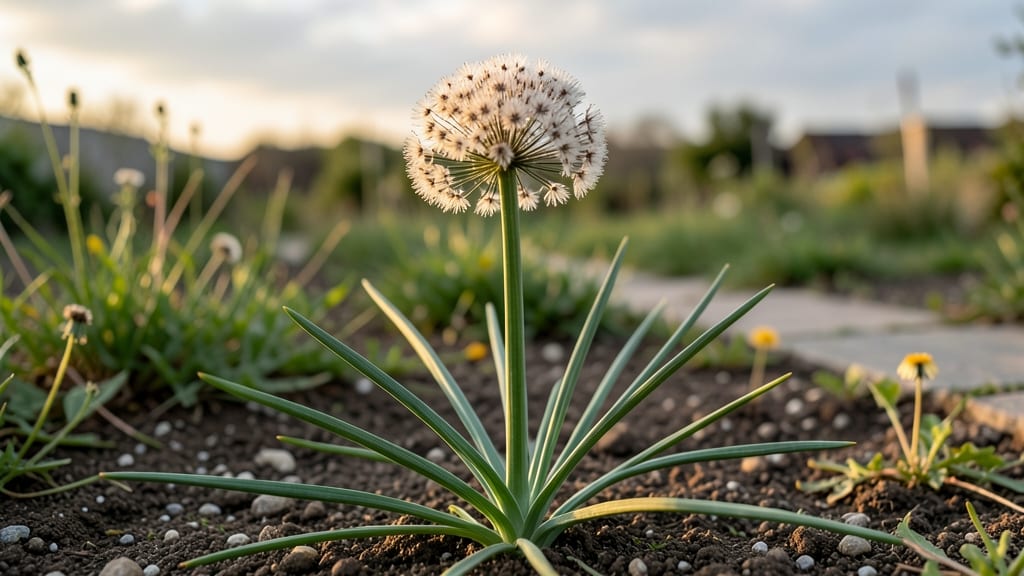
Those papery, star-shaped seed heads are nature’s way of giving you free onions for next year’s garden. 🌱 I used to toss them, but now I harvest them to grow my own wild onions—no store-bought plants needed, just a few minutes of work and a little patience.
The best time to collect them is when the pods turn tan and papery but haven’t burst open, usually in late summer or early fall.
Snip them with scissors or pinch them off the stem, then lay them in a dry, well-ventilated spot (like a mesh bag) until the seeds rattle inside—about 2 weeks. Once dried, rub the pods between your fingers to release the tiny black seeds.
Store them in an envelope or jar in a cool, dark place until spring. When planting, scatter them directly in loose soil where you want onions to grow, or start them indoors for a head start. This zero-waste trick works for garlic chives, wild leeks, and even ramps too.
No digging, no fuss—just let nature do the work while you save money and reduce waste.
📚 In This Guide
- What you need
- Instructions
- Tips and common mistakes
- Wrapping up and next steps
What you need
- ● Mature wild onion seed heads: Harvest 5–10 fully dried seed pods (brown, papery, and crunchy to the touch). Ensure they’re free of pests or disease.
- ● Pruning shears or sharp scissors: One pair to snip seed heads cleanly from the stalk.
- ● Paper bags or brown lunch bags: 2–3 bags (one per seed head) to collect and dry seeds indoors.
- ● Labeling tags or masking tape: For marking bags with the harvest date and variety (if applicable).
- ○ Flat tray or baking sheet: Optional, for spreading seeds to dry faster if needed.
- ● Fine mesh sieve or colander: For separating seeds from chaff after drying.
- ● Air-tight glass jars or seed envelopes: To store seeds long-term (label with year and variety!).
- ● Hand lens or magnifying glass: For inspecting seed quality before planting.
- ● Notebook or garden journal: To track seed viability and germination notes.
Step-by-Step instructions for harvesting and saving wild onion seed heads
Here's how to turn those spent flower stalks into next year's free, organic plants.
🌱 Step 1: Identify and Select Mature Seed Heads
Wait until the flower stalks turn completely brown and crispy—this means the seed pods are fully mature. I like to harvest on a dry morning after any overnight dew has evaporated. The pods should rattle slightly when shaken, indicating seeds are ready to collect.
Gently twist the entire seed head at the base where it meets the plant. If it resists, use clean pruning shears to cut just above the first set of leaves. Avoid pulling—this can uproot the bulb or damage the plant. You'll want 4-6 mature seed heads for a good supply of seeds.
💧 Step 2: Dry the Seed Heads Completely
Hang the seed heads upside down in a dry, well-ventilated area. I use a paper bag with holes punched in the bottom or simply tie them with twine to a clothesline. This prevents moisture buildup that could cause mold. Keep them out of direct sunlight—too much heat can scorch the pods and make seeds less viable.
Drying takes 7-10 days depending on humidity. You'll know they're ready when the pods split open easily and the seeds inside look dry and papery. If you live in a damp climate, speed up drying by placing them in a 65-75°F spot with a small fan circulating air gently.
✂️ Step 3: Collect and Store the Seeds
Once fully dry, place the seed heads in a brown paper bag and gently squeeze or shake to release the seeds. I like to do this over a clean sheet of newspaper so I can catch any stragglers. The seeds will be tiny, black, and papery—easy to miss if you're not careful.
Store the seeds in an airtight container like a small glass jar or envelope. Label it with the year and variety if you have multiple types. Keep them in a cool, dark place—seeds stay viable for 2-3 years when stored properly. I add a tiny silica gel packet to my jars to absorb any lingering moisture.
🌿 Step 4: Plant the Seeds for Next Season
Sow seeds directly in the garden in early spring or fall, about ¼ inch deep and 1 inch apart. Press them lightly into the soil—wild onions don't need much to get started. Water gently but don't soak the area, as wild onions prefer dry conditions once established.
Young seedlings emerge slowly, so be patient. You'll see the first tiny leaves in 3-4 weeks. Thin them to 4-6 inches apart once they reach 2-3 inches tall. This gives them room to grow into strong, healthy plants without competing for nutrients.
Tips & tricks for perfect wild onion seed head preservation
These simple tricks will help you maximize your harvest and ensure your wild onion seeds stay viable for planting.
Harvest Timing: The key to successful seed collection is waiting until the flower stalks are completely brown and crispy—this usually happens in late summer or early fall. I always check for maturity by giving the seed heads a gentle shake; if the pods rattle with seeds inside, they're ready. Harvesting too early means immature seeds that won't sprout well, while waiting too long risks the pods scattering seeds on their own.
Drying Strategy: For the 7-10 day drying period mentioned in Step 2, I've found that using a small fan on low speed in a 65-75°F space works wonders, especially in humid climates. Place the seed heads in a well-ventilated area where they can dry evenly without direct sunlight. If you notice any mold developing on the pods during drying, immediately move them to a drier location or increase airflow—mold can ruin your entire seed harvest.
Seed Collection Hack: When collecting seeds in Step 3, I recommend placing the dried seed heads inside a clean pillowcase instead of a paper bag. Shake vigorously to release seeds—this method catches even the tiniest ones that might slip through a bag's weave. The pillowcase also makes cleanup easier as you can simply invert it over a clean surface to collect all the seeds at once.
Storage Wisdom: For long-term storage beyond the 2-3 years mentioned, consider vacuum-sealing your seeds in addition to using silica gel packets. The vacuum removes all moisture, which is the enemy of seed viability. I also like to add a small piece of unbleached cotton cloth to the storage container—it absorbs any residual moisture without adding humidity like paper might.
Pro Tips for Wild Onion Seed Head
- These simple tricks will help you maximize your harvest and ensure your wild onion seeds stay viable for planting.
- Harvest Timing: The key to successful seed collection is waiting until the flower stalks are completely brown and cri...
- Drying Strategy: For the 7-10 day drying period mentioned in Step 2, I've found that using a small fan on low speed i...
Frequently asked questions
Got questions about harvesting and saving wild onion seed heads?
You’re not alone! Here are some of the most common questions—and straightforward answers—to help you master zero-waste gardening with wild onions.
When is the best time to harvest wild onion seed heads?
Harvest seed heads when they turn light brown and start splitting open—usually late summer to early fall. Wait too long, and seeds may scatter or get rained on. For best results, pick them on a dry, sunny day after the dew has dried.
How do I store wild onion seeds for planting next year?
Let seed heads dry completely indoors (1–2 weeks in a paper bag with airflow). Once brittle, crush pods over a bowl to release seeds. Store seeds in a cool, dark place (like a sealed jar in the fridge) for up to 2 years—just keep them dry!
What if my wild onions don’t produce seed heads?
No seed heads? Your onions might be too young (wait 1–2 years) or over-fertilized (they prioritize leaves over flowers). Try letting some plants bolt next season by reducing water/fertilizer. If they’re crowded, thin them out for better flowering.
Can I use wild onion seeds instead of buying transplants?
Wild onion seeds are free, organic, and true to type (unlike store-bought hybrids). Scatter them thinly in well-draining soil in early spring or fall. They’re hardy and low-maintenance, perfect for filling gaps or naturalizing in lawns.
Are wild onion seed heads safe for pollinators?
Yes! Wild onions attract bees, butterflies, and beneficial insects while they’re in bloom. The seed heads themselves are non-toxic once dry, but avoid harvesting if pesticides were recently applied. Leave a few plants for pollinators—it’s a win for your garden’s ecosystem!
Wrapping up and next steps
Harvesting and drying wild onion seed heads is a simple, rewarding way to ensure your garden thrives next season while embracing zero-waste practices. Whether you're a seasoned gardener or just starting out, these seed pods are an easy and cost-effective way to grow flavorful, hardy greens year after year. 🌱
Now that you’re armed with the know-how, why not give it a try? Grab those seed heads, follow the steps, and watch your garden flourish with homegrown wild onions—nature’s gift, ready for your next harvest! Happy gardening!