
Lawn
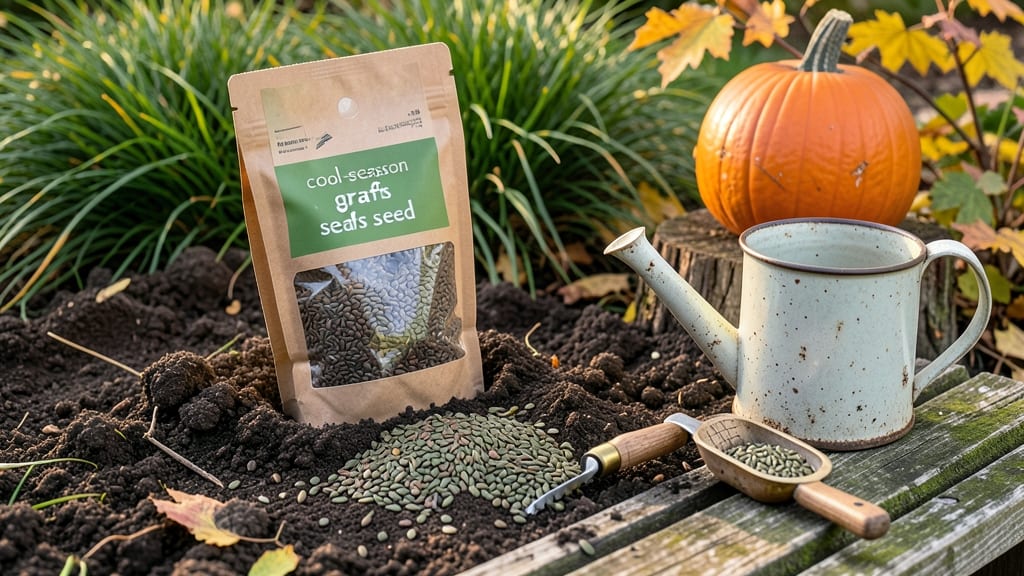
Will grass seed grow in the fall? Yes—when you time it right, cool days and warm soil create perfect germination conditions before winter sets in. I’ve overseeded my lawn in October for three years now, and the results are thicker, greener grass that outlasts spring plantings. The key is choosing the right grass type for your zone and preparing the soil before the first frost. Cool-season grasses like fescue and ryegrass love fall’s mild weather, while warm-season grasses like Bermuda struggle. Most regions see 6-8 weeks of ideal growing time between seeding and frost, giving roots time to establish. Just avoid planting too early when summer heat lingers or too late when winter approaches. You’ll notice new sprouts within 7-14 days, with a lush, uniform lawn by early winter. The secret? Lightly rake bare spots, spread seed evenly, and keep the soil moist until germination. No need for expensive equipment—just patience and the right timing. Works best in USDA Zones 3-8, but even southern gardeners can plant tall fescue in fall. Spring plantings? They’re riskier with weed competition and drought stress. Fall gives grass a head start for next year’s growth.
📚 In This Guide
- What you need
- Instructions
- Tips and common mistakes
- Wrapping up and next steps
What you need
- ● Cool-season grass seed: Choose a variety suited for your climate (e.g., Tall Fescue, Kentucky Bluegrass, or Perennial Ryegrass). Quantity: 4–8 lbs per 1,000 sq ft (follow package instructions).
- ● Lawn spreader: Broadcast or drop-type (rent or buy; calibrate for even distribution).
- ● Rake: A stiff-bristle garden rake to loosen soil and remove debris.
- ○ Soil test kit: Optional but helpful to check pH (ideal: 6.0–7.0 for cool-season grass).
- ● Fertilizer: Slow-release, high-nitrogen blend (e.g., 24-0-6 or 30-0-4). Quantity: 0.5–1 lb per 100 sq ft.
- ● Water source: Hose with a gentle spray nozzle or sprinkler system.
- ○ Mulching hay or straw: Light layer (¼ inch) to retain moisture (optional but recommended).
- ● Soil amendment: Compost or peat moss to improve drainage in heavy clay soils.
- ● Pre-emergent herbicide: If weeds are a problem, apply 2–4 weeks before seeding.
- ● Lawn roller: Lightweight (50–100 lbs) to press seed into soil after sowing.
- ● Weather forecast: Check for 5–7 days of dry, mild weather (50–70°F) post-seeding.
Instructions: how to successfully plant cool-season grass seed in fall
Fall planting gives grass seeds the perfect head start—just follow these steps for strong root growth before winter.
Prepare the Soil for Optimal Seed Contact
Clear the area of debris and loosen the top 2-3 inches of soil with a rake or tiller. Compacted soil blocks seed-to-soil contact, which is critical for germination. I like to work the soil when it's slightly damp—it crumbles easily between my fingers but doesn't stick.
For bare spots or thin areas, mix ½ cup of 10-10-10 fertilizer per 100 square feet into the top inch of soil. This gives seeds a nutrient boost without burning tender new roots. Smooth the surface with a leveling rake until it's even—any high spots will dry out faster and create uneven growth.
Spread Seed Evenly for Uniform Germination
Use a broadcast spreader for large areas or a hand spreader for smaller sections. Walk in a crisscross pattern to ensure even coverage—you want ¼ to ½ pound of seed per 100 square feet for cool-season grasses. I always spread a little extra in shady spots since they germinate slower.
After spreading, lightly rake the area with a stiff-bristled rake to press seeds into the soil without burying them. Seeds need light to germinate, so only cover them with ¼ inch of soil or less. This is where most mistakes happen—burying too deep delays sprouting or prevents it entirely.
Water Gently but Thoroughly for Consistent Moisture
Water immediately after planting to settle seeds into the soil. Use a gentle sprinkler or soaker hose to apply ¼ inch of water evenly. The goal is to keep the top inch of soil consistently moist—like a wrung-out sponge—for the first 2-3 weeks of germination.
Water twice daily if temperatures stay above 70°F—morning and late afternoon—to prevent evaporation. You'll know moisture is right when the soil surface looks slightly damp but not glistening. Avoid heavy watering that can dislodge seeds or create puddles, which suffocate young roots.
Maintain Soil Conditions Until Establishment
Keep the area free of foot traffic for at least 4-6 weeks—new seedlings are fragile and easily damaged. If birds become a problem, cover the area with lightweight row covers until germination completes. I've seen entire patches destroyed overnight by hungry flocks.
Once seedlings reach 2-3 inches tall, gradually reduce watering to 1 inch per week. This encourages deeper root growth before winter dormancy. Mow when grass reaches 3-4 inches, leaving blades at 2-2.5 inches to maintain strength through cold months.
Prepare for Winter Dormancy
About 4-6 weeks after germination, apply a thin layer of ½ inch of compost or straw mulch to insulate roots from freezing temperatures. This protects tender growth while allowing air and moisture to penetrate. Avoid heavy mulch that can smother young plants.
Stop fertilizing by mid-October to prevent new growth that won't harden off before frost. Instead, focus on keeping the area clear of snow buildup—compacted snow can damage emerging shoots. With proper fall care, your grass will wake up lush and ready to grow in spring.
Tips & tricks for perfect fall grass planting
Fall planting isn't just possible—it's ideal for cool-season grasses. Here's what I've learned from years of trial and error to turn your lawn into a thriving winter wonderland.
Soil Prep is Everything: In Step 1, don't just loosen the top 2-3 inches—focus on breaking up any hardpan that might prevent roots from growing deep. I use a garden fork to poke holes down to 6 inches in compacted areas. This creates channels for roots to explore before winter sets in. The slightly damp soil test is key: if it forms a ball when squeezed, it needs more moisture; if it crumbles too easily, add a little water.
Seed Placement Precision: When covering seeds in Step 2, think of it like tucking a baby into bed—not too deep, not too shallow. Use the back of your rake to create a fine, even layer of soil. For larger seeds like tall fescue, a quarter-inch coverage is perfect; for finer seeds like bluegrass, just a light dusting is enough. I've seen germination rates drop by 40% when seeds are buried too deeply.
Watering Wisdom: The 2-3 week moisture window in Step 3 is critical, but timing matters just as much. Water in the early morning so the soil has time to dry slightly before evening. This prevents fungal growth that thrives in damp conditions overnight. I set a timer for my sprinkler to run for exactly 10 minutes every morning and evening—this delivers that perfect quarter-inch of water without overdoing it.
Winter Protection Strategy: About 4-6 weeks after germination (Step 5), don't just slap on mulch—create a microclimate. I spread a half-inch layer of straw mulch, then gently rake it to create small channels for air circulation. This prevents smothering while still insulating roots. For northern climates, add an extra layer of leaves after the first frost for added protection.
Pro Tips for Will Grass Seed Grow In The Fall
- Fall planting isn't just possible—it's ideal for cool-season grasses.
- Soil Prep is Everything: In Step 1, don't just loosen the top 2-3 inches—focus on breaking up any hardpan that might prevent roots from growing deep.
- Seed Placement Precision: When covering seeds in Step 2, think of it like tucking a baby into bed—not too deep, not too shallow.
Frequently asked questions
Got questions about seeding your lawn in the fall? You’re not alone! Here are some of the most common concerns—and straightforward answers—to help you get started with confidence.
Can grass seed still grow if I plant it too late in the fall?
Yes, but timing matters! Plant cool-season grass seed at least 4–6 weeks before your first hard frost for optimal germination. If frost hits early, seeds may struggle to establish roots. Check your USDA hardiness zone for local guidance—just don’t wait until winter!
How long does it take for fall-seeded grass to grow?
Most cool-season grasses (like fescue or ryegrass) sprout in 7–21 days with ideal conditions. Full establishment takes 3–4 months, so seeding in early fall gives your lawn a head start before winter dormancy. Patience pays off—thicker grass by spring!
Do I need to water differently in the fall than in spring?
Water lightly but frequently—about ¼ inch per day—to keep soil moist (not soggy). Fall air is cooler and drier than spring, so morning watering (before 10 AM) reduces evaporation. Adjust as rainfall increases; aim for 1–1.5 inches total per week.
What if the weather turns cold or rainy before germination?
Don’t panic! Light frosts (28°F or above) won’t harm seeds, but heavy rain can wash them away. If temps drop suddenly, cover seeds with straw or a thin layer of soil for protection. If rain delays planting, wait for a dry spell—just don’t let seeds sit exposed for weeks.
Can I overseed an existing lawn in the fall, or do I need to reseed bare spots?
Both work! Overseeding thins lawns by spreading seed over existing grass, while spot-seeding targets bare patches. For overseeding, mow short (1–1.5 inches) and rake lightly to expose soil. Spot-seed areas with ¼ lb of seed per 100 sq ft—just skip fertilizing until after germination to avoid burning tender sprouts.
Wrapping up and next steps
Growing grass seed in the fall is absolutely doable—especially for cool-season grasses—and can yield a lush, healthy lawn before winter sets in! With the right timing, soil prep, and care, you’ll see impressive results by spring. Don’t wait—take action now!
🌱 Your Next Step: Plant & Watch It Grow
Grab your supplies, follow the steps, and give your lawn the fall refresh it deserves. Start small if needed, but commit to the process. Before you know it, you’ll be proud of that vibrant, resilient grass—and so will your neighbors!