
Propagation
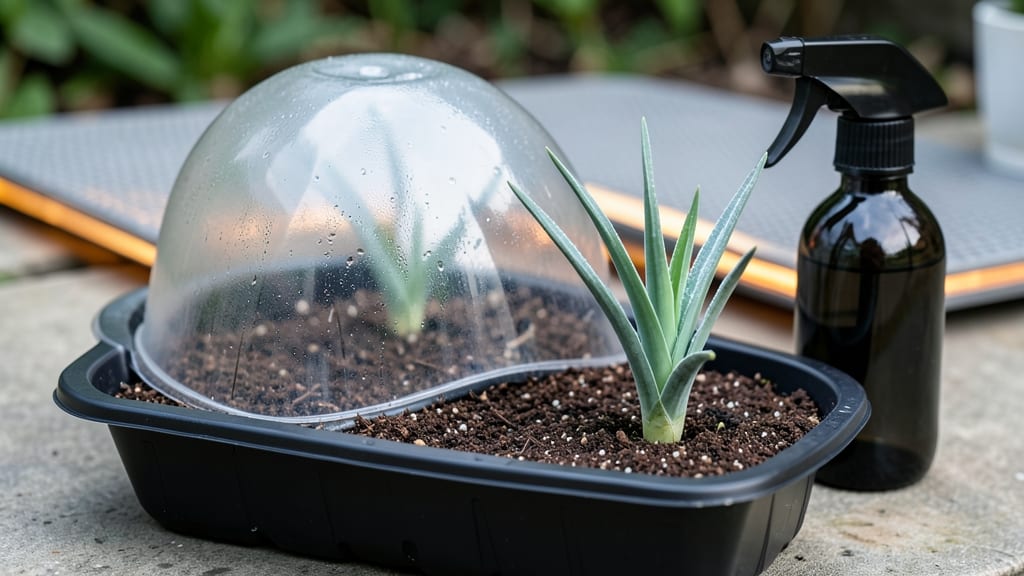
Yucca seed propagation rewards patience with striking, drought-resistant plants that thrive for decades. 🌱 I’ve tried it twice now, and the second batch finally broke through after four months—worth every day spent waiting for those first pale green tips to appear.
The key is mimicking the yucca’s natural environment: bright, indirect light, warm soil (70-80°F), and barely damp conditions. Too much moisture is the silent killer—mold or rot can wipe out seeds before they even germinate. A clear plastic dome or sealed container creates the humidity they need without drowning them.
Once sprouts emerge, they’ll grow slowly at first, but within a year, you’ll have sturdy seedlings ready for transplanting. The first leaves are long and grass-like, but don’t be fooled—they’ll develop into the iconic sword-shaped foliage you know and love.
This method works for all yucca varieties, from the towering Yucca elephantipes to the compact Yucca rostrata. Just be prepared for the wait—it’s part of the magic of growing something that will outlive you.
📚 In This Guide
- What you need
- Instructions
- Tips and common mistakes
- Wrapping up and next steps
What you need
- ● Yucca seeds: Fresh, high-quality seeds (aim for 10-20 per attempt for better success rates).
- ● Seed-starting mix: A well-draining, sterile potting mix (e.g., 50% peat moss, 30% perlite, 20% vermiculite). Quantity: Enough to fill 2-4 small pots (4-6 inches deep).
- ● Containers: Small pots or seed trays (4-6 inches deep) with drainage holes.
- ● Quantity: 2-4 containers (one per 5-10 seeds).
- ● Grow lights or sunny windowsill: A light source providing 12-16 hours of light daily (LED grow lights or a south-facing window).
- ● Spray bottle: For gentle watering (8-12 oz capacity).
- ○ Plastic wrap or humidity dome: To maintain moisture (optional but highly recommended).
- ○ Heat mat (optional but helpful): To keep soil warm (70-75°F for optimal germination).
- ● Fungicide: A mild solution (e.g., hydrogen peroxide 3%) to prevent mold or damping-off.
- ● Plant labels: To track seed varieties and planting dates.
- ● Fertilizer: A balanced, water-soluble fertilizer (5-10-5 NPK ratio) for post-germination care.
- ● Humidity tray: A shallow tray with pebbles and water to boost humidity levels.
Step-by-Step guide to growing yucca from seeds
Here's how to coax those tiny yucca seeds into sturdy plants—without the guesswork.
🌱 Step 1: Prepare Seeds and Starting Mix
Yucca seeds have a tough outer shell, so I soak them in lukewarm water for 24 hours to soften the coating. This speeds up germination by breaking dormancy. After soaking, drain the water completely—you don’t want soggy seeds.
Fill small seed trays or pots with a well-draining mix of 50% cactus/succulent soil and 50% perlite. Yucca roots need excellent drainage, so avoid regular potting mix. Moisten the mix lightly until it feels like a damp sponge—not dripping, just barely damp.
🌱 Step 2: Sow Seeds Shallowly and Cover Lightly
Sprinkle seeds ¼ inch deep—yucca seeds need light to germinate, so don’t bury them too deeply. I use a toothpick to create tiny divots and place one seed per hole. Space them ½ inch apart to avoid overcrowding later.
Gently press the seeds into the soil so they make contact but don’t get buried. Mist the surface with water until evenly damp, then cover the tray with clear plastic wrap or a humidity dome. This keeps moisture consistent and mimics the desert’s natural humidity fluctuations.
☀️ Step 3: Provide Warmth and Bright, Indirect Light
Yucca seeds germinate best in 75-85°F soil. Place the tray on a seedling heat mat or in a warm spot like on top of the fridge. Without warmth, germination can take 4-6 weeks—with it, you’ll see sprouts in 2-3 weeks.
Keep the tray in bright, indirect light—direct sun will overheat the seeds. A south-facing window with sheer curtains works, or use a grow light 4-6 inches above the tray. You’ll know the light is right when the seedlings grow straight up instead of stretching toward the light.
💧 Step 4: Maintain Moisture Without Overwatering
Check the soil daily—yucca seeds rot quickly if kept too wet. Water only when the top ½ inch of soil feels dry. Mist lightly or water from the bottom by placing the tray in an inch of water for 10 minutes, then draining excess.
Once seedlings emerge, remove the plastic wrap immediately. Too much humidity invites fungal diseases. Thin seedlings to 2 inches apart when they have 2-3 true leaves, using scissors to snip unwanted sprouts at soil level.
⏰ Step 5: Transition to Individual Pots
When seedlings reach 3-4 inches tall (usually 8-12 weeks after sowing), transplant them into 3-inch pots with the same cactus mix. Handle the small plants by their leaves, not the stems, to avoid damaging them.
Place the pots in full sun and reduce watering to once every 2 weeks. Yucca seedlings are tough but need time to adjust. You’ll know they’re thriving when new leaves grow upright and firm—not floppy or yellowing.
Tips & tricks for perfect yucca seed germination
Took me a while to figure these out, so here goes—these little tricks make all the difference with finicky yucca seeds.
Seed Prep Secret: After your 24-hour soak, give the seeds one final rinse under cool water to remove any remaining water-soluble compounds that might inhibit germination. Pat them completely dry with paper towels—moisture trapped on the seeds can cause rot during the early stages. I like to spread them on a clean paper towel for 10 minutes to air-dry before planting. This extra step cuts down on mold issues later.
Light Strategy: Yucca seeds need that bright, indirect light from Step 3, but here's what nobody tells you—rotate your seed tray every 2-3 days. This prevents seedlings from stretching toward one light source and growing lopsided. I mark the rotation direction with a pencil on the outside of the tray to keep track. Even exposure means straighter, healthier seedlings that won't flop over as they grow.
Humidity Watch: That plastic wrap from Step 2 is crucial, but don't leave it on forever. Once you see tiny sprouts (usually after 10-14 days), lift the plastic for 10 minutes daily to let fresh air circulate. This prevents fungal growth while maintaining the humidity these desert plants need. I use a small rubber band to create a vent in the plastic—just enough airflow without losing all the moisture.
Transplant Timing: When you're ready to move those 3-4 inch seedlings to individual pots, do it on an overcast day or in the evening. Yucca seedlings handle stress better when they're not dealing with midday sun immediately after transplanting. I water them thoroughly before moving, then keep them in bright shade for 3 days to help them recover. This simple adjustment prevents the shock that causes many seedlings to wilt and fail.
Pro Tips for Yucca Seed Propagation
- Took me a while to figure these out, so here goes—these little tricks make all the difference with finicky yucca seeds.
- Seed Prep Secret: After your 24-hour soak, give the seeds one final rinse under cool water to remove any remaining water-soluble compounds that might inhibit germination.
- Light Strategy: Yucca seeds need that bright, indirect light from Step 3, but here's what nobody tells you—rotate your seed tray every 2-3 days.
Frequently asked questions
Got questions about growing yucca from seeds? You’re not alone—this method takes patience and precision! Below, we’ve rounded up the most common queries to help you troubleshoot, time your efforts, and maximize success.
How long does it take for yucca seeds to germinate?
Germination can take anywhere from 2 weeks to 6 months, depending on conditions. Most seeds sprout within 4–8 weeks if kept in a warm (70–80°F), moist environment with indirect light. Patience is key! Avoid disturbing the soil until you see sprouts—consistency beats urgency.
What’s the best temperature for germinating yucca seeds?
Yucca seeds thrive in warmth, ideally between 70–80°F (21–27°C). Use a seedling heat mat or place the tray on top of a refrigerator to maintain steady warmth. Cold drafts or fluctuating temps slow germination. If your home is chilly, consider a greenhouse or sunny windowsill. →
Can I propagate yucca from seeds if I don’t have a greenhouse?
While a greenhouse speeds up germination, you can use clear plastic wrap or a humidity dome to create a mini greenhouse effect. Place the tray in a bright, indirect-light spot (like a kitchen window) and mist the soil daily. Just remove the cover once sprouts emerge to prevent mold.
Why aren’t my yucca seeds sprouting? Troubleshooting tips.
If seeds stay dormant, check these common culprits:
Too dry? Yucca seeds need constant moisture—mist or use a spray bottle daily.
Not warm enough? Boost heat with a mat or move to a warmer room.
Old seeds? Fresh seeds (under 1 year) germinate better. Store-bought seeds may need stratification (chilling for 4–6 weeks).
Low light? Yucca seeds need indirect light—direct sun can overheat the soil.
Still stuck? Try soaking seeds in lukewarm water for 24 hours before planting to soften the outer layer.
How do I know if my yucca seedlings are healthy?
Healthy yucca seedlings have:
- Straight, sturdy stems (not leggy or bending).
- Dark green leaves (yellowing = overwatering; brown tips = underwatering).
- Slow, steady growth (no sudden wilting or mold).
Warning sign: If leaves turn mushy or the soil smells sour, you’re overwatering. Let the top inch of soil dry out between waterings.
Wrapping up and next steps
Growing yucca from seed is a rewarding journey that blends patience with the joy of nurturing life from scratch! 🌱 By following these steps—from sourcing seeds to transplanting seedlings—you’ll unlock the secret to cultivating hardy, drought-resistant plants. Remember, consistency is key: keep your soil moist, provide bright light, and stay vigilant against pests.
Now that you’re armed with knowledge, why not take the next step? Experiment with different yucca varieties, document your progress, or even share your success with fellow plant enthusiasts. Happy propagating—your green thumb is about to get an upgrade! 🌟