
Propagation
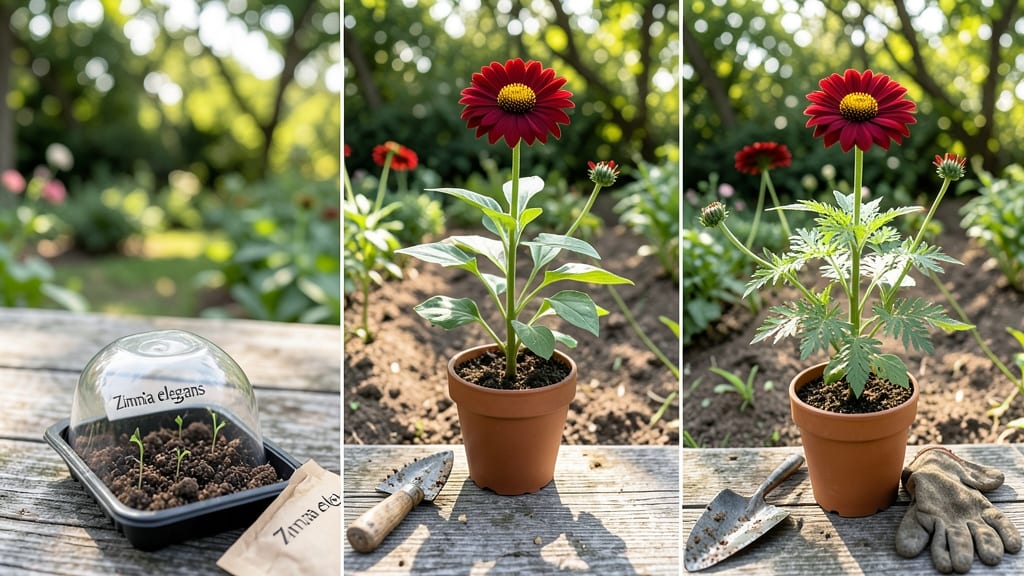
Growing zinnias from seed to flower is the fastest way to turn a patch of soil into a riot of color—60 days from seed to those bold blooms you’ll be snapping photos of. 🌻 I’ve grown zinnias for years, and the secret isn’t complicated: it’s about timing, sunlight, and a little patience.
The first week is the longest, but once those seedlings pop, you’ll be hooked.
Start with fresh seeds in well-draining soil and a sunny spot (or grow light if indoors). Plant them ¼-inch deep, keep the soil damp but not soggy, and expect germination in 7-14 days.
The key is consistency—zinnias hate wet feet, so a shallow tray with drainage holes works best. Once they’re 2-3 inches tall, thin them to 12 inches apart for sturdy stems and bigger blooms.
By day 60, you’ll have foot-tall plants bursting with flowers—and the best part? Zinnias keep blooming all summer if you deadhead spent blooms. They’re tougher than they look, thriving in heat and drought once established.
The only real trick is keeping them upright with a little support if they get top-heavy.
This method works for beginner gardeners, container growers, or anyone tired of waiting for store-bought flowers. Whether you’re planting in ground beds or pots, zinnias deliver bold color with almost no effort. Let’s get those seeds in the soil!
📚 In This Guide
- What you need
- Instructions
- Tips and common mistakes
- Wrapping up and next steps
What you need
- ● Zinnia seeds: Choose heirloom or hybrid varieties (e.g., 'Benary’s Giant,' 'Profusion'). Buy 1 packet (50–100 seeds) for a small garden or 2–3 packets for a full border.
- ● Seed-starting containers: Biodegradable pots (2–3 inches deep) or
- ● Seed trays with cells (50–100 cells) or
- ● Small nursery pots (3–4 inches wide).
- ● Seed-starting mix: Lightweight, sterile potting soil (1–2 cubic feet for a small batch). Avoid garden soil—it’s too dense!
- ● Grow lights or sunny windowsill: A full-spectrum LED grow light (12–16 hours/day) or a south-facing window with 6+ hours of sunlight.
- ● Watering can or spray bottle: With a fine mist nozzle to avoid disturbing seeds.
- ○ Fertilizer (optional but helpful): A balanced liquid fertilizer (5-5-5 or 10-10-10) or
- ● Slow-release granules (follow package instructions).
- ● Well-draining garden soil: Zinnias thrive in full sun (6+ hours/day) and soil with a pH of 6.0–7.0. Amend heavy clay with compost.
- ● Spacing: Plant seedlings 12–18 inches apart (check your variety’s needs—some grow bushier!).
- ○ Mulch (optional): Straw or shredded leaves to retain moisture and suppress weeds.
- ○ Stakes or cages (optional): For tall varieties (e.g., 'State Fair'), use 5–6 foot stakes or tomato cages for support.
- ● 🔥 Label your seeds! Use popsicle sticks or plant markers to track varieties.
- ● 🌡️ Temperature matters: Zinnias germinate best in 70–75°F soil. Use a seedling heat mat if your space is chilly.
- ● ✨ Thin seedlings carefully: Once true leaves appear, snip weaker seedlings with scissors to avoid disturbing roots.
Step-by-step instructions for growing zinnias from seed
Here's the simple method I use to get vibrant zinnias blooming in just 60 days.
🌱 Step 1: Start Seeds Indoors or Direct-Sow After Frost
Zinnia seeds germinate best in warm soil, so I wait until after the last frost date to direct-sow outdoors. If you're in a short season, start seeds indoors 4-6 weeks before transplanting. Use 2-3 inch deep pots filled with seed-starting mix and plant seeds ¼ inch deep—they need light to germinate, so don't bury them too deep.
Keep the soil consistently moist but not soggy—zinnias hate dampness that causes rot. Place pots in a warm spot (70-75°F) until sprouts appear in 7-14 days. If you're direct-sowing, scatter seeds thinly over prepared garden beds and cover lightly with soil. Thin seedlings to 12-18 inches apart once they're 2-3 inches tall.
☀️ Step 2: Provide Full Sun and Consistent Water
Zinnias thrive in full sun (6-8 hours daily), so choose a sunny spot in your garden. If growing in containers, place them where they get maximum light. Water at the base of plants when the top inch of soil feels dry—avoid wetting leaves to prevent fungal diseases like powdery mildew.
I like to water early in the morning so foliage dries quickly. Overwatering is the biggest mistake—zinnias are drought-tolerant once established. You'll see strong stems and deep green leaves when they're happy. If leaves yellow or wilt, it's usually a sign of overwatering or poor drainage.
✂️ Step 3: Deadhead Regularly for Nonstop Blooms
Here's where zinnias shine—they keep blooming if you deadhead spent flowers. Pinch off faded blooms with your fingers or snip with clean scissors just above a set of leaves. This encourages more flowers to form and extends the blooming season by 4-6 weeks.
I check my zinnias every 2-3 days and remove any buds that form on the main stem below the first set of leaves—this prevents leggy growth. The more you deadhead, the bushier and fuller your plants will grow. You'll notice new buds forming within 5-7 days of deadheading.
🌿 Step 4: Fertilize Lightly for Vibrant Color
Zinnias don't need much fertilizer, but a light feeding boosts their bold colors. Mix a balanced 10-10-10 fertilizer at half-strength into the soil when you plant, then side-dress with more once plants reach 6 inches tall. Too much nitrogen makes them grow leaves instead of flowers, so avoid heavy feeding.
I also sprinkle a handful of compost around the base of each plant monthly. The key is to feed lightly—zinnias are heavy bloomers but don't need rich soil. You'll know they're getting enough nutrients when they produce 3-4 inch blooms consistently and stems stay sturdy.
⏰ Step 5: Enjoy Blooms and Save Seeds for Next Year
Zinnias typically bloom 60-70 days after sowing, and the show lasts until frost. Cut flowers in the morning for the longest vase life—just snip stems at a 45-degree angle and place them in water immediately. You'll get 7-10 days of fresh-cut beauty from each stem.
Let some flowers go to seed at the end of the season—they self-sow easily. Collect dried seed heads, shake out the seeds, and store them in a cool, dry place. Next year, you'll have zinnias popping up all over your garden with zero effort. The best part? These bold blooms attract butterflies and hummingbirds all season long.
Tips & tricks for growing zinnias from seed to flower
Real talk: These simple tricks will help you avoid the most common zinnia-growing mistakes—and get those bold blooms faster.
Light Requirements: Zinnias need that 6-8 hours of full sun daily—no compromising here. If your garden spot gets less, consider using grow lights for 12-14 hours/day during early growth. I've seen zinnias in partial shade produce flowers, but they'll be smaller and less vibrant. The deeper the reds and oranges, the more sun they've gotten.
Germination Secret: Don't overwater those ¼-inch-deep seeds—zinnias hate soggy soil. I use a spray bottle to mist the soil lightly after planting, then wait until the top inch feels dry before watering again. Too much moisture causes damping-off, and you'll lose seedlings before they even sprout. A heat mat set to 75°F speeds up germination from 7-14 days to just 5-7 days.
Thinning Technique: When thinning seedlings to 12-18 inches apart, do it gently with scissors rather than pulling. This prevents disturbing nearby plants. I mark planting spots with toothpicks before thinning—it makes the process easier and ensures proper spacing. The strongest seedling in each spot gets to stay, and you'll see bushier plants as a result.
Pro Tips for Zinnia From Seed To Flower
- Real talk: These simple tricks will help you avoid the most common zinnia-growing mistakes—and get those bold blooms faster.
- Light Requirements: Zinnias need that 6-8 hours of full sun daily—no compromising here.
- Germination Secret: Don't overwater those ¼-inch-deep seeds—zinnias hate soggy soil.
Frequently asked questions
Got questions about growing zinnias from seed? You’re not alone! Here are some of the most common queries—plus quick, no-fuss answers to help you crush those bold blooms.
How long does it take for zinnia seeds to germinate?
Zinnia seeds typically pop up in 5–10 days after planting, given warm soil (at least 60°F) and consistent moisture. If you’re impatient, try soaking seeds overnight in warm water to speed things along. Pro tip: Keep seeds moist but avoid soggy soil—damp paper towels can help monitor moisture levels!
Can I plant zinnia seeds directly in the garden, or should I start indoors?
For most gardeners, direct sowing outdoors is easiest—just wait until after the last frost when soil is warm. Starting indoors is only worth it if your growing season is short (e.g., Zone 4 or colder). If you do start early, transplant seedlings when they’re 2–3 inches tall and harden them off for a week.
Why aren’t my zinnia seedlings sprouting, or they’re leggy and weak?
Leggy seedlings usually mean too little light—zinnias need 6+ hours of sun daily, even as babies. If seeds aren’t germinating, check:
Zinnias are drought-tolerant once established, but in extreme heat (90°F+), they may wilt. Water deeply at the base in the morning to avoid fungal issues (like powdery mildew). In humid areas, space plants 18+ inches apart for airflow and remove spent blooms to encourage new growth. Deadheading also prevents seed formation, keeping flowers coming! Zinnias attract beneficial insects like ladybugs and lacewings, but they’re also loved by Japanese beetles. Pair them with:
Quick fix: Thin seedlings to 12–18 inches apart once they’re 2 inches tall to prevent overcrowding.
Do zinnias need special care in hot or humid climates?
What can I plant with zinnias to deter pests naturally?
Bonus: Avoid planting near fennel or dill—zinnias compete poorly with their strong roots.
Wrapping up and next steps
Growing zinnia from seed to flower is a rewarding, low-maintenance journey that delivers vibrant blooms in just two months! With the right soil, sunlight, and a little patience, you’ll enjoy bold, cheerful flowers that brighten any garden or container.
Whether you’re a beginner or a seasoned gardener, these easy steps make zinnias a perfect choice for quick, stunning results.
Now that you’re armed with tips and tricks, take the next step—plant those seeds and watch your garden transform! 🌸 For even more inspiration, explore zinnia variety guides or share your progress with fellow gardeners online. Happy growing!