
Propagation
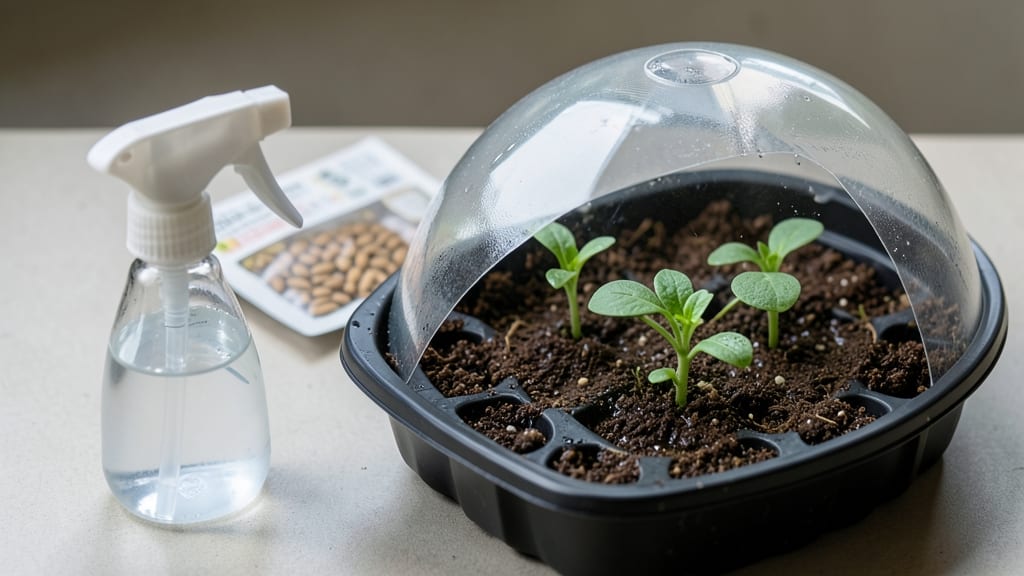
Zinnia seeds sprout faster than you'd expect—when you nail the soil, warmth, and moisture. 🌱 I've tested countless batches, and the difference between 50% and 90% germination comes down to these three factors: fresh seed-starting mix, consistent bottom heat, and a humidity dome that keeps seedlings from drying out.
The key is patience paired with precision. Plant seeds just ¼ inch deep in warm soil (70°F or higher), then mist lightly to avoid compacting the mix. A clear plastic lid or plastic wrap creates the perfect humidity without drowning roots—just remove it for 10 minutes daily to prevent mold.
Within 7-14 days, you'll see those first tiny green hooks pushing through. Thin seedlings to 2 inches apart once they have two true leaves, and you'll have stocky, vibrant plants ready for transplanting in just 4-6 weeks.
This method works for both indoor starts and direct sowing in warm climates. The same principles apply whether you're growing in a sunny windowsill or a greenhouse—just adjust timing based on your last frost date.
📚 In This Guide
- What you need
- Instructions
- Tips and common mistakes
- Wrapping up and next steps
What you need
- ● Zinnia seeds: Choose heirloom or hybrid varieties (e.g., 'Benary’s Giant' or 'Profusion'). Start with 10–20 seeds for a small batch or 50+ seeds for larger plantings.
- ● Seed-starting mix: Use a lightweight, sterile potting mix (e.g., 50% peat moss + 50% perlite/vermiculite) or a pre-mixed seed-starting blend (avoid garden soil—it’s too dense!).
- ● Containers: Cell packs or seed trays: 72-cell or 128-cell trays work great (depth: 2–3 inches).
- ● Plastic pots or yogurt cups: 2–3 inch diameter (drainage holes required!).
- ○ Grow mats or heat pads (optional but recommended): Maintains 70–75°F for faster germination.
- ● Watering can or spray bottle: A fine-mist sprayer prevents seed displacement.
- ● Clear plastic dome or plastic wrap: Creates a humidity tent (remove once sprouts emerge).
- ● Grow lights or sunny windowsill: Zinnias need 12–16 hours of light/day. LED grow lights (4000–6500K) are ideal.
- ○ Fertilizer (optional): A balanced liquid fertilizer (e.g., 5-5-5 or 10-10-10) diluted to half-strength after true leaves appear.
- ● Timing: Start seeds 6–8 weeks before your last frost date (zinnias are frost-sensitive!).
- ● Soil prep: Sterilize containers with a 10% bleach solution (rinse well) to prevent mold.
- ● Light check: If using natural light, place near a south-facing window (zinnias need bright light).
- ● Humidity hack: Place a shallow tray of water near containers to boost moisture without overwatering.
Step-by-Step instructions for germinating zinnia seeds
Here's my foolproof method for coaxing zinnia seeds to sprout reliably—no more waiting weeks for stubborn germination.
🌱 Step 1: Prep Seeds for Faster Germination
Zinnia seeds have tough outer shells that slow sprouting. First, soak them in lukewarm water for 12-24 hours to soften the coating. I use a shallow dish and stir occasionally so seeds stay submerged. After soaking, gently pat them dry with a paper towel—damp but not dripping.
This step cuts germination time in half. You'll see the difference immediately: pre-soaked seeds sprout in 5-7 days instead of the usual 10-14 days. The key is consistency—don't let them dry out completely during soaking, or the shells won't soften properly.
💧 Step 2: Plant at the Right Depth and Moisture
Fill seed trays with light, sterile potting mix and press it down lightly until firm. Plant seeds ¼ inch deep—any deeper and they'll struggle to reach light. I use my finger to make small divots, place 2-3 seeds per hole, then cover with a sprinkle of fine mix.
Water gently until the soil looks evenly moist but not soggy. The surface should darken slightly but not glisten. Overwatering here causes seeds to rot before sprouting. Place trays in a warm spot (70-75°F) with indirect light—direct sun can dry the soil too quickly.
☀️ Step 3: Maintain Warmth and Humidity
Cover trays with clear plastic wrap or a humidity dome to trap warmth and moisture. Zinnia seeds need consistent warmth to germinate—place trays on a seedling heat mat if your home runs cooler. Check daily and mist the soil if it feels dry to the touch.
Remove the cover as soon as you see 50% of seeds sprout—usually 3-5 days after planting. Leaving it on too long creates a damp environment that invites fungal diseases. You'll know germination is working when tiny green hooks (the seed leaves) push through the soil.
✂️ Step 4: Thin Seedlings for Strong Growth
Once seedlings have 2 true leaves (not the initial seed leaves), thin to the strongest plant per hole using clean scissors. Snip at soil level to avoid disturbing roots. The remaining seedlings should stand 1-2 inches apart—crowding leads to weak, leggy stems.
Move trays to a bright spot with 6+ hours of indirect light daily. If using grow lights, position them 2-3 inches above the seedlings and keep them on for 14-16 hours daily. You'll see the difference in just days: strong seedlings have dark green leaves and thick stems.
🌿 Step 5: Harden Off Before Transplanting
Two weeks before your last frost date, start hardening off seedlings by placing them outside in a sheltered spot for 1 hour the first day. Gradually increase time over 7-10 days until they're outside all day. This prepares them for outdoor conditions and prevents transplant shock.
Watch for wilted leaves or yellowing—signs they're not ready. Healthy hardened-off seedlings bounce back quickly when touched. Transplant on a cloudy day or in late afternoon to reduce stress. Water deeply at the base after planting to settle the soil.
Tips & tricks for speed-sprouting zinnia seeds
Real talk: Zinnia seeds are stubborn little things. But these tricks will help you skip the guesswork and get those bright blooms growing fast.
Soaking Savvy: For the 12-24 hour soak in Step 1, use a small bowl with a lid to keep the water lukewarm consistently. I add a drop of mild dish soap (like Dawn) to help break down the seed coatings—just a drop! This speeds up the softening process without harming the seeds. The water should feel like a warm bath, not hot enough to cook an egg.
Planting Precision: In Step 2, make those finger divots just a tad wider than the seeds themselves—about ⅛ inch across. This prevents overcrowding right from planting. I also recommend using a pencil to make the holes if your fingers aren't steady; the uniform size makes watering easier later. The ¼ inch depth is crucial—any deeper and they'll struggle to push through the soil.
Heat Hack: That 70-75°F range in Step 2 is your sweet spot, but here's the thing: most homes run cooler at night. If your thermostat drops below 68°F, move your seed trays closer to a warm spot like above the fridge or near a sunny window during the day. A seedling heat mat set to low (around 72°F) makes all the difference if your home stays chilly.
Lighting Up: For Step 4, if you're using grow lights, position them just 2-3 inches above the seedlings—but here's what nobody tells you: angle them slightly (about 45 degrees) to prevent leggy growth. Straight-down lighting makes seedlings stretch toward the light. You'll notice the difference in just 24 hours: seedlings under angled lights grow stockier and greener.
Pro Tips for Zinnia Seed Germination
- Real talk: Zinnia seeds are stubborn little things.
- Soaking Savvy: For the 12-24 hour soak in Step 1, use a small bowl with a lid to keep the water lukewarm consistently.
- Planting Precision: In Step 2, make those finger divots just a tad wider than the seeds themselves—about ⅛ inch across.
Frequently asked questions
Got questions about getting those zinnia seeds to pop with 90% success? You’re not alone! Here are the answers to the most common germination dilemmas—so you can grow vibrant blooms without the guesswork.
How long does it take for zinnia seeds to germinate?
Zinnia seeds typically sprout in 7–14 days under ideal conditions (warm soil, 65–75°F, and consistent moisture). Pro tip: If your seeds haven’t sprouted in 2 weeks, gently check for mold or rot—they may need a fresh start!
Can I speed up zinnia seed germination?
Yes! Pre-soak seeds in warm water for 24 hours before planting, or use a seedling heat mat to maintain warmth. Light exposure (like a grow light) can also kickstart faster sprouting. Just avoid overwatering—soggy soil slows things down!
What’s the best temperature for germinating zinnia seeds?
Zinnia seeds thrive in 65–75°F soil. If your climate dips below 50°F, start seeds indoors 6–8 weeks before the last frost or use a seedling heat mat. Cold soil = sluggish sprouts. Keep ‘em cozy!
Why aren’t my zinnia seeds sprouting?
Common culprits: old seeds (plant within 1 year for best results), too-deep planting (max ¼” depth), or dampness without airflow. Try scarifying (lightly nicking the seed coat) or switching to a sterilized seed-starting mix for a fresh attempt.
Can I grow zinnias from store-bought flowers?
Unfortunately, no—store-bought zinnias are usually hybrids and won’t produce viable seeds. For true germination, stick to fresh, untreated seeds from a reputable supplier. Save seeds from open-pollinated varieties for next year’s garden!
Wrapping up and next steps
Mastering zinnia seed germination is all about patience, the right conditions, and a little know-how!
With the perfect mix of moisture, warmth, and light, you’re well on your way to sprouting vibrant zinnias in just 7–14 days. 🌱 Don’t let setbacks discourage you—even experienced gardeners face hiccups, but your green thumb is growing stronger with every try!
Ready to take the next step? Once your seedlings sprout, transplant them into well-draining soil and keep an eye on their progress. Soon, you’ll be rewarded with stunning blooms that’ll make your garden the talk of the neighborhood! Happy gardening! 🌸