
Lawn
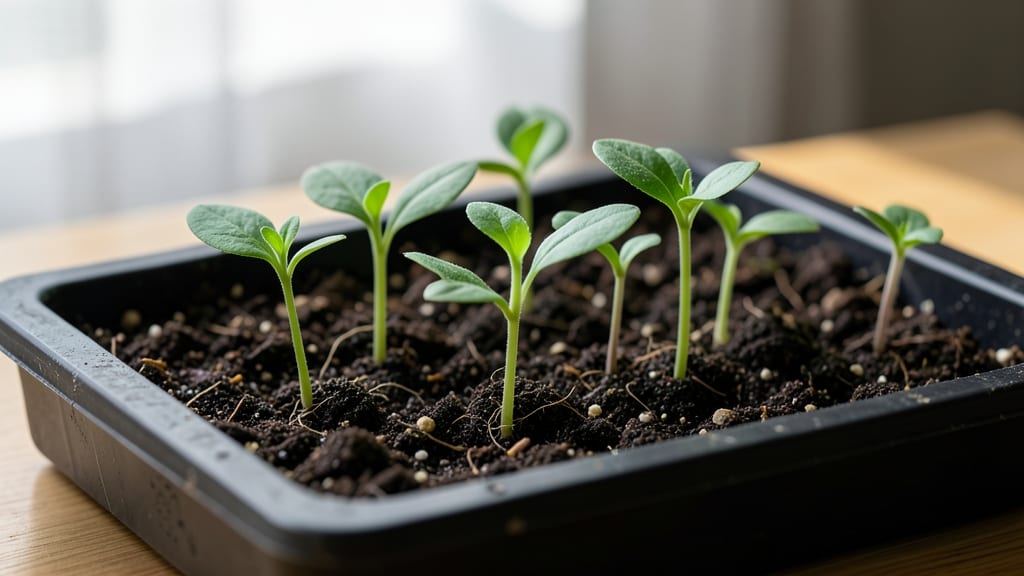
Zinnia seeds sprout faster than you’d expect when you nail these three simple tricks. ✨ I’ve watched them push through soil in just 3-5 days—no waiting months like some finicky flowers.
The secret lies in warmth, moisture, and patience (though the patience part is short-lived once those first green hooks appear). Start with 70-75°F soil—that’s the magic number for zinnia germination. Too cool, and they’ll sulk; too hot, and they’ll bolt.
Use a seed-starting mat or place pots on top of your fridge for consistent heat. Keep the soil damp (not soggy) with a spray bottle, and cover the tray with plastic wrap to trap humidity. Check daily for condensation—if it’s dripping, let it air out for 10 minutes.
By day 5, you’ll spot tiny hook-shaped sprouts breaking through the soil. That’s your cue to remove the plastic and move them to a bright spot (no direct sun yet—think "soft morning glow").
Thin seedlings to 2 inches apart once they’ve got their first true leaves, and watch them race toward those bold summer blooms. This method works for both indoor starts (8-10 weeks before last frost) and direct sowing (after soil warms in spring). The key?
Speed without rushing—zinnia sprouts are eager to grow, but they need your help to get off to the right start.
📚 In This Guide
- What you need
- Instructions
- Tips and common mistakes
- Wrapping up and next steps
What you need
- ● Zinnia seeds: Choose fast-germinating varieties like 'Profusion' or 'Benary’s Giant' (1 packet or ~20-30 seeds for small pots).
- ● Seed-starting mix: 1–2 cups of sterile, well-draining potting soil (avoid garden soil—it can harbor pests!).
- ● Containers: Small seed trays (with drainage holes) or
- ● Biodegradable peat pots (3–4 inches deep).
- ● Watering can or spray bottle: With a fine mist nozzle to avoid disturbing seeds.
- ● Plastic wrap or humidity dome: To retain moisture during germination.
- ● Grow lights or sunny windowsill: Zinnia sprouts need 6–8 hours of light daily (a simple LED grow light works if natural light is limited).
- ● Heat mat: Speeds up germination (keep soil at 70–75°F for faster sprouts!).
- ● Fertilizer: A balanced, water-soluble fertilizer (5-5-5 or 10-10-10) to boost early growth.
- ● Plant labels: To track varieties if growing multiple types.
- ● Tweezers: For delicate seed handling (especially if seeds are tiny).
- ● Patience! Zinnia sprouts typically emerge in 7–14 days (with ideal conditions).
- ● A warm, bright spot (or grow light) to keep seeds cozy until they sprout.
- ● Consistency in moisture—keep soil damp but not soggy.
Step-by-step instructions for germinating zinnia seeds
Here's how to get those vibrant zinnia sprouts popping in under a week—no waiting months for blooms.
🌱 Step 1: Soak Seeds for Faster Germination
Zinnia seeds have a tough outer shell that slows things down. Place them in a small bowl of lukewarm water for 12 hours before planting. This softens the coating so they sprout 2-3 days faster—that's the secret to beating slow starts. I like to use a fine-mesh strainer so I can easily transfer them later without losing any.
After soaking, drain the seeds thoroughly on a paper towel. You'll see them plump up slightly—this is your signal they're ready. Don't skip this step; dry seeds can take 10+ days to germinate instead of the 5-7 days you want for those bold summer blooms.
💧 Step 2: Plant in Warm, Moist Soil
Fill your seed-starting containers with warm soil—zinnia seeds germinate best when soil stays between 70-80°F. If your soil feels cool, place the trays on a seedling heat mat for 24 hours before planting. Press the soaked seeds ¼ inch deep into the soil, spacing them ½ inch apart in rows.
Water gently with a spray bottle until the soil surface looks damp but not soggy. Overwatering now can cause seeds to rot before they sprout. Cover the tray with clear plastic wrap or a humidity dome to trap warmth and moisture—this creates the tropical conditions zinnias love to germinate in.
☀️ Step 3: Provide Consistent Warmth and Light
Keep the soil warm by placing the tray in a spot that stays above 70°F—a sunny windowsill or under grow lights works well. Zinnia seeds need constant warmth to germinate, so avoid cold drafts or temperature swings. You'll see tiny sprouts in 3-5 days—watch for the first green tips pushing through the soil.
Once sprouts appear, remove the plastic wrap immediately to prevent damping-off (a fungal disease that collapses seedlings overnight). Move the tray to a bright, indirect light spot—zinnias need 12-14 hours of light daily to grow strong. If using a grow light, keep it 2-3 inches above the seedlings to avoid leggy growth.
🌿 Step 4: Thin and Harden Off Seedlings
When seedlings reach 2 inches tall (about 7-10 days after planting), thin them to 2 inches apart using clean scissors. This prevents overcrowding and ensures each plant gets enough nutrients. Plant the thinned seedlings in their final containers if moving outdoors soon, or keep them in the same tray until stronger.
Start hardening off seedlings 10 days before transplanting by placing them outside in partial shade for 1 hour daily, gradually increasing time. You'll know they're ready for the garden when they can handle full sun without wilting. Transplant in the evening to reduce stress, and water deeply at the base to help roots establish.
Tips & tricks for perfect zinnia seed sprouts
Here's what nobody tells you about getting zinnias to sprout like clockwork—no guesswork involved.
Soaking Secret: The 12-hour soak in lukewarm water isn't just about softening the seed coat—it's about creating the perfect hydration balance. I've found that using a fine-mesh strainer makes transferring seeds effortless, but if you don't have one, a clean coffee filter works just as well. After soaking, pat them dry thoroughly on a paper towel until they're barely damp. This step is non-negotiable for that 5-7 day germination window zinnias need to hit their peak.
Heat Hack: Zinnia seeds are tropical divas—they demand 70-80°F soil to germinate. If your home stays cooler, place seed trays on a seedling heat mat for 24 hours before planting and keep them there until sprouts appear. I've seen germination times stretch to 10+ days when soil temps dip below 65°F, so don't skip this if you want those bold blooms on schedule. Pro tip: Test soil warmth with your finger—it should feel like a warm bath, not a cool pool.
Light Timing: Those 12-14 hours of daily light are critical, but quality matters more than quantity. Position grow lights 2-3 inches above seedlings to prevent leggy growth, and use a timer to automate the cycle. I've had zinnias stretch like overgrown weeds when lights were too far away—now I double-check the distance every few days as they grow. Once sprouts appear, remove that plastic wrap immediately to prevent damping-off, which can wipe out seedlings overnight.
Thinning Strategy: When seedlings hit 2 inches (about 7-10 days in), use clean scissors to thin them to 2 inches apart. I always thin in the evening to reduce stress on the remaining plants. For a gentler approach, try the "snip-and-save" method: cut seedlings at the base and replant the smaller ones in separate containers—they'll often recover and grow into healthy plants.
Pro Tips for Zinnia Seed Sprouts
- Here's what nobody tells you about getting zinnias to sprout like clockwork—no guesswork involved.
- Soaking Secret: The 12-hour soak in lukewarm water isn't just about softening the seed coat—it's about creating the perfect hydration balance.
- Heat Hack: Zinnia seeds are tropical divas—they demand 70-80°F soil to germinate.
Frequently asked questions
Got questions about growing zinnia seed sprouts? You’re not alone! Here are some of the most common concerns—plus quick, practical answers to help you succeed.
How long do zinnia seeds take to sprout?
Most zinnia seeds sprout within 7–14 days after planting, depending on temperature and moisture. For faster results, keep soil consistently warm (65–75°F) and moist but not soggy. If sprouts don’t appear after 2 weeks, gently check for seeds—some may need a little light to germinate!
Can I plant zinnia seeds too early in spring?
Yes, but only if you’re prepared for slow germination. Zinnia seeds thrive in warm soil (above 50°F), so planting them indoors 4–6 weeks before your last frost date gives them a head start. If direct-sowing outdoors, wait until nighttime temps stay above 55°F to avoid stunted growth.
Why are my zinnia sprouts wilting or turning yellow?
Wilting or yellowing sprouts often signal overwatering or poor drainage. Let the top inch of soil dry out between waterings, and ensure pots/containers have drainage holes. Too much moisture can cause rot, while underwatering leads to stress. A balanced approach keeps those sprouts perky!
What’s a good alternative if zinnia seeds won’t sprout?
If germination fails, try fast-sprouting alternatives like marigolds, sunflowers, or cosmos. These also bloom brightly and attract pollinators. For zinnias, soak seeds in warm water for 24 hours before planting—sometimes a quick pre-treatment jumpstarts reluctant seeds!
How soon can I transplant zinnia sprouts outdoors?
Wait until after the last frost and when nighttime temps stay above 55°F. Harden off seedlings by gradually exposing them to outdoor conditions (start with 1–2 hours/day). Transplant in the late afternoon to reduce stress, and water thoroughly to help them establish roots.
Wrapping up and next steps
Growing zinnia seed sprouts is a rewarding way to bring vibrant summer blooms to your garden—fast! With the right soil, warmth, and care, you’ll see those first green shoots in just 5-7 days.
Whether you’re a seasoned gardener or a beginner, these bold flowers are easy to nurture and will brighten up your outdoor space in no time.
Now that you’re ready to plant, take the next step! Grab your seeds, prep your containers, and watch your garden transform. Happy growing—your future zinnia blooms are waiting! 🌸