
Lawn
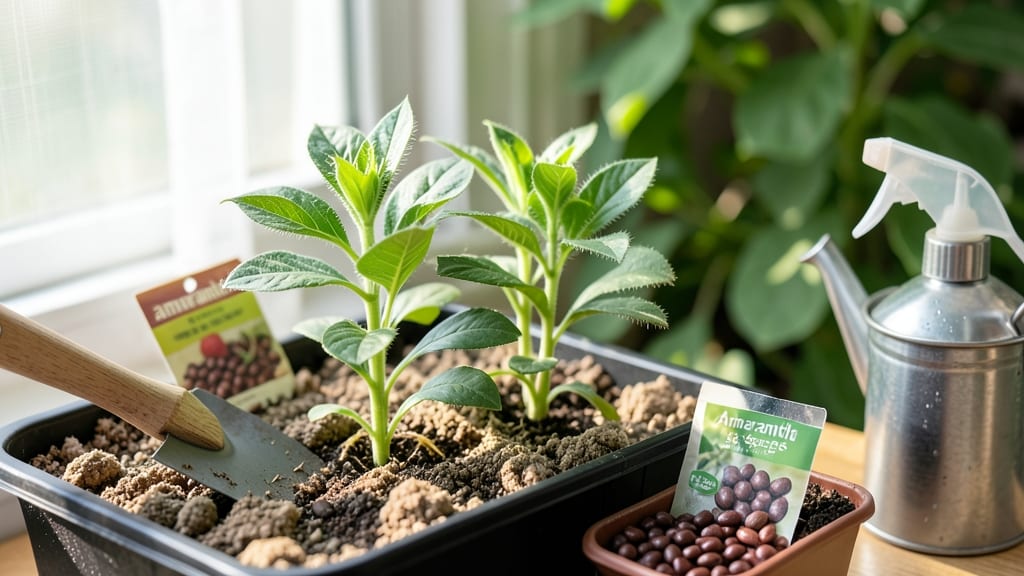
Amaranth seeds sprout in 3-5 days—faster than most greens. 🌱 I’ve grown them for years, and their speed is just the start: these plants keep producing long after most annuals call it quits, giving you zero-waste harvests from seed to seed.
The key? Timing, soil, and a little patience as they race toward that first true leaf.
Start seeds indoors 4-6 weeks before your last frost, or direct-sow after soil warms to 60°F+. Use well-draining soil with compost—amaranth hates soggy roots—and plant seeds ½ inch deep, 1 inch apart.
Thin to 12 inches when they’re 2 inches tall. They love full sun (6+ hours daily) and tolerate heat better than most crops.
Once sprouted, keep soil evenly moist (not soggy) until established, then water deeply 1-2 times weekly. In 6-8 weeks, you’ll harvest leafy greens or watch grain varieties swell with seed heads. The best part? Every part of the plant is edible—leaves, stems, and seeds—so nothing goes to waste.
For perennial results, let some plants bolt and go to seed. Collect seeds in late summer for next year’s crop. Works in zones 5-10, though it thrives hardest in hot climates. Ready to grow your own fast, prolific harvest?
📚 In This Guide
- What you need
- Instructions
- Tips and common mistakes
- Wrapping up and next steps
What you need
- ● Amaranth seeds – 1–2 lbs (0.5–1 kg) (organic, non-GMO preferred for best results).
- ● Well-draining soil – Loamy or sandy soil with a pH of 6.0–7.5 (amaranth thrives in slightly acidic to neutral conditions).
- ● Sunlight access – Full sun (6+ hours daily) or a grow light for indoor setups.
- ● Watering can or hose – With a gentle spray nozzle for seedling care.
- ● Garden plot or containers – 6-inch deep pots or raised beds (amaranth has deep roots!).
- ○ Compost or organic fertilizer – Balanced 10-10-10 or worm castings (optional but boosts growth).
- ● Garden gloves – To protect your hands while handling soil and seeds.
- ● Seed starter trays – For indoor germination (if starting early).
- ● Row covers or shade cloth – To protect young seedlings from pests or harsh sun.
- ● Mulch (straw or leaves) – Retains moisture and suppresses weeds.
- ● pH testing kit – Ensures your soil is in the ideal range.
- ● Label markers – To track planting dates and varieties.
Step-by-step guide to planting amaranth seeds for fast growth
Here’s how to get your amaranth seeds sprouting in record time—perfect for zero-waste, high-yield harvests.
🌱 Step 1: Prepare the Soil for Optimal Germination
Amaranth thrives in well-draining, nutrient-rich soil with a slightly acidic to neutral pH (around 6.0–7.5). Work in 2–3 inches of compost or aged manure into the top 6 inches of soil to loosen it and improve drainage. Amaranth hates soggy roots, so avoid heavy clay unless you’ve amended it significantly. I like to rake the surface smooth—this creates a fine seedbed that prevents seeds from sinking too deep during planting.
If planting in containers, fill them with a mix of 50% potting soil and 50% perlite or coarse sand to replicate loose garden soil. The key is ensuring excess water drains freely within 30 minutes of watering. Test your soil by squeezing a handful—it should hold together lightly but crumble when released. Too tight? Add more perlite.
🌱 Step 2: Sow Seeds at the Right Depth and Spacing
Plant amaranth seeds ½ inch deep—any deeper and they’ll struggle to reach the surface. Space seeds 12–18 inches apart in rows 18–24 inches apart for full-size plants. I use a small hand rake to create shallow furrows, then drop 3–4 seeds per spot (thinning later saves time). Cover lightly with soil, then mist gently with water until the surface looks evenly damp but not saturated.
Here’s the thing—amaranth seeds germinate fastest in warm soil (70–85°F). If your spring soil is still cool, wait until nighttime temperatures stay above 55°F before planting. You’ll see sprouts in 5–10 days if conditions are ideal. If germination takes longer, check moisture—seeds need consistent dampness but won’t tolerate standing water.
☀️ Step 3: Provide Full Sun and Consistent Moisture
Amaranth demands 6–8 hours of direct sunlight daily for robust growth. Plant in a location with morning sun exposure, as afternoon heat can stress young seedlings. If growing in containers, place them where they’ll receive unobstructed light—south-facing windowsills or under grow lights work for early starts.
Water deeply 2–3 times per week, aiming for 1–1.5 inches of water per week. Let the top 1–2 inches of soil dry slightly between waterings—this encourages deep root growth. I water in the early morning to reduce evaporation and fungal risks. Avoid overhead watering once seedlings emerge; instead, use a drip irrigation system or water at the base to keep leaves dry.
✂️ Step 4: Thin Seedlings and Fertilize for Strong Growth
When seedlings reach 2–3 inches tall, thin them to 1 plant per spot, leaving the strongest stem. Use scissors to snip weak seedlings at soil level—this prevents disturbing roots of remaining plants. Amaranth grows fast, so don’t delay thinning; crowded plants compete for nutrients and light, leading to leggy, weak stems.
Feed plants with a balanced organic fertilizer (10-10-10) every 4–6 weeks once they’re established. I mix 1 tablespoon of fertilizer per square foot into the soil around the base. Amaranth is a heavy feeder, so side-dress with compost mid-season to replenish nutrients. Watch for dark green, glossy leaves—this signals healthy growth. Yellowing leaves? Time to fertilize again.
🌿 Step 5: Harvest Strategically for Continuous Yields
Amaranth is ready for harvest when leaves reach 6–8 inches long and flower stalks begin forming. Cut leaves 2–3 inches above the base with clean shears, encouraging bushier regrowth. For grain amaranth, wait until seed heads turn golden-brown before harvesting entire stalks. I harvest in the morning after dew dries—this preserves leaf crispness and flavor.
Real talk: Amaranth grows so fast you’ll need to harvest every 2–3 weeks to keep plants productive. If you miss a harvest, don’t stress—prune back overgrown stems by ⅓ to rejuvenate growth. The more you harvest, the more your plants will produce. Store fresh leaves in the fridge for 5–7 days or dry them for long-term use.
Tips & tricks for fast-germinating amaranth growth
Here’s what nobody tells you about maximizing your amaranth’s speed and yield—these tricks cut down on waiting and boost your harvest.
Soil Temperature Secret: Amaranth seeds need that 70–85°F soil temperature to germinate in just 5–10 days. If your spring soil is still cool, create a mini greenhouse effect by covering planted rows with clear plastic sheeting for 3–5 days until sprouts appear. This traps warmth without overheating—just remove the plastic once you see green. The 55°F nighttime minimum is non-negotiable, though, or germination will stall completely.
Seed Spacing Hack: Planting 3–4 seeds per spot at ½ inch deep saves time on thinning later, but here’s the catch: only keep the strongest seedling. Use a small hand trowel to gently lift and separate seedlings rather than pulling—this prevents root damage. I’ve found that spacing rows 18–24 inches apart gives leaves room to spread without overcrowding, which is key for that 6–8 hours of direct sunlight they crave.
Watering Wisdom: The 2–3 times per week watering rule works, but timing matters more. Water deeply in the early morning so leaves dry quickly—this prevents fungal diseases like powdery mildew, which can derail growth. If you’re using containers, ensure excess water drains within 30 minutes; amaranth roots need oxygen, not soggy soil. A drip irrigation system is my go-to for consistent moisture without wetting the foliage.
Harvest Timing Tip: Those 6–8 inch leaves are perfect for cutting, but don’t wait too long—they’ll start to toughen. I harvest every 2–3 weeks to encourage bushier regrowth, always cutting 2–3 inches above the base with clean shears. For grain amaranth, wait until seed heads turn golden-brown before harvesting—this ensures maximum yield. Morning harvests preserve crispness, so plan to pick after dew dries but before the heat of the day sets in.
Pro Tips for Amaranth Seed Planting
- Here’s what nobody tells you about maximizing your amaranth’s speed and yield—these tricks cut down on waiting and boost your harvest.
- Soil Temperature Secret: Amaranth seeds need that 70–85°F soil temperature to germinate in just 5–10 days.
- Seed Spacing Hack: Planting 3–4 seeds per spot at ½ inch deep saves time on thinning later, but here’s the catch: only keep the strongest seedling.
Frequently asked questions
Got questions about growing amaranth seeds? You’re not alone—this fast-growing, nutrient-packed plant can feel tricky at first. Here are answers to the most common queries to help you plant with confidence!
How long does it take for amaranth seeds to germinate?
Amaranth seeds are fast—expect sprouts in 5–10 days under ideal conditions (warm soil, 70–85°F, and consistent moisture). For quicker results, soak seeds overnight before planting or use a heat mat to speed up germination. Patience pays off, but don’t wait longer than 2 weeks without checking for mold or rot!
When is the best time to plant amaranth seeds?
Amaranth thrives in warm weather, so wait until after the last frost when soil temps hit 60°F+. In most climates, this means planting in late spring to early summer (April–June). For year-round growers in warm zones (Zones 9–11), you can plant in fall or winter—just avoid frost!
Can I grow amaranth indoors or in containers?
Amaranth adapts well to containers (at least 12" deep) or indoor growing with 12+ hours of sunlight daily. Use a lightweight potting mix and keep soil moist. For indoor setups, a grow light works if natural light is limited. Just be prepared to harvest leaves frequently—they grow fast and get leggy without enough space!
What pests or diseases should I watch for when growing amaranth?
Amaranth is hardy but can attract aphids, spider mites, or leaf miners. Early signs? Sticky leaves (aphids) or yellowing spots (mites). Combat them with neem oil spray or companion planting (try basil or marigolds). Overwatering can cause root rot, so ensure well-draining soil. Rotate crops yearly to prevent soil-borne issues like powdery mildew.
How do I harvest amaranth seeds for planting next year?
Let some plants flower and form seed heads (they’ll turn brown and dry). Once dry, cut the seed heads and hang them upside down in a paper bag for 1–2 weeks. Shake to release seeds, then store in a cool, dark place (like a jar) for up to 2 years. Pro tip: Save seeds from your healthiest plants for the best germination rates!
Wrapping up and next steps
Growing amaranth seeds is a rewarding journey that yields nutrient-rich, zero-waste harvests with minimal effort—especially since this fast-germinating perennial thrives in diverse conditions! Whether you’re a beginner or a seasoned gardener, planting amaranth is a sustainable way to boost your garden’s productivity and resilience. 🌱
Now that you’re equipped with the right tools, tips, and answers, it’s time to roll up your sleeves and start planting! Try sowing a small batch first to test your local climate, then expand your patch as confidence (and greens!) grow. Happy planting—your future harvests are waiting! 🌿✨