
Propagation
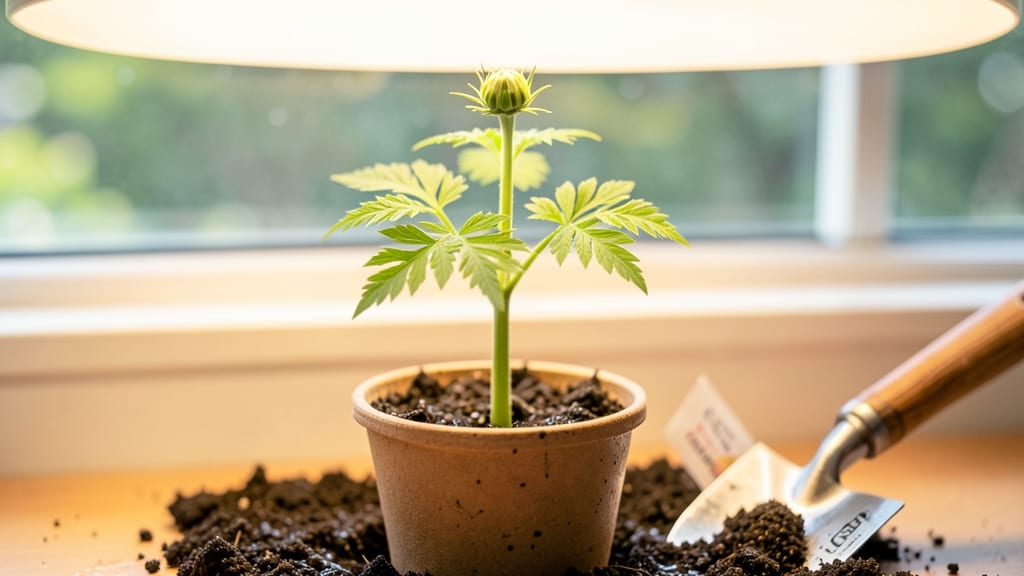
Starting cosmos seeds in just 10 days feels like magic—those delicate fern-like sprouts pushing through soil prove it’s possible. 🌱 I’ve watched these airy blooms transform my garden from blank canvas to riotous color in under two months, all from seeds that cost pennies.
The trick isn’t complicated: it’s about warmth, moisture, and a little patience (though cosmos seeds are famously quick compared to finicky annuals). You’ll need a shallow tray, lightweight potting mix, and a heat mat if your spring is chilly—cosmos seeds germinate fastest when soil stays between 70-80°F.
Plant them just ¼-inch deep, barely covering them, because they need light to trigger germination. Water gently (no soggy soil!) and keep them in bright, indirect light until those first leaves unfurl like tiny feathers.
Once sprouted, thin to 12 inches apart and harden off for a week before transplanting after your last frost. The payoff? Stems strong enough to support those 3-foot-tall blooms by summer, with flowers that keep coming until frost. No deadheading needed—they self-seed like crazy, giving you free plants next year.
For those who want to skip the indoor fuss, direct-sow cosmos seeds ½-inch deep when soil warms to 50°F—they’ll sprout just as fast outdoors. The key is consistency: keep soil moist but not waterlogged, and watch those first sprouts appear in 5-7 days.
Here’s where the real fun begins!
📚 In This Guide
- What you need
- Instructions
- Tips and common mistakes
- Wrapping up and next steps
What you need
- ● Cosmos seeds: 1 packet (50–100 seeds, depending on variety—check the label for exact count). Opt for Cosmos bipinnatus or Cosmos sulphureus for vibrant blooms!
- ● Seed-starting mix: 1–2 gallons of sterile, seed-specific potting soil (avoid garden soil—it’s too dense and may harbor pests). Look for a mix labeled "organic" or "peat-free" if preferred.
- ● Containers: Seed trays or flat: 10x20-inch tray with cell inserts (or DIY with recycled containers like egg cartons or yogurt cups). Ensure they have drainage holes!
- ● Plastic wrap or humidity dome: 1 sheet (or a clear plastic lid for trays) to retain moisture.
- ● Water: Room-temperature, dechlorinated water (let tap water sit out for 24 hours or use filtered water). A spray bottle (16 oz) works best for gentle hydration.
- ● Grow lights or sunny windowsill: A full-spectrum LED grow light (12–16 inches above seedlings) or a south-facing window with 6+ hours of sunlight daily.
- ○ Heat mat (optional but helpful): A seedling heat mat (set to 70–75°F) to speed up germination, especially in cooler climates.
- ● Plant labels: Small sticks or biodegradable labels + a pencil to track varieties.
- ● Fine-mist spray bottle: For even moisture distribution without disturbing seeds.
- ● Tweezers or pencil: To gently press seeds into the soil (no need for deep planting—cosmos seeds need light to germinate!).
- ● Fertilizer (post-germination): A balanced, water-soluble fertilizer (5-5-5 or 10-10-10, diluted to half-strength) once seedlings sprout their first true leaves.
- ● Scissors or knife: For trimming plastic wrap or cutting containers if needed.
- ● 🌡️ Temperature check: Cosmos seeds germinate fastest in 70–75°F soil. If your home is cooler, use a heat mat or place trays on top of the fridge.
- ● ✨ Light love: Cosmos seeds need light to germinate—don’t bury them! Press them lightly into the soil (just enough to cover).
- ● 💧 Moisture matters: Keep soil consistently damp (not soggy) until germination. Overwatering can drown tiny seeds.
Step-by-step instructions for speed-sprouting cosmos seeds
Here's how I guarantee quick germination and sturdy seedlings for those showstopping blooms.
🌱 Step 1: Prep Seeds and Soil for Optimal Germination
Cosmos seeds germinate fastest when prepped properly. First, soak the seeds in lukewarm water for 12 hours—this softens the outer coating and speeds up sprouting. I use a small glass jar with a lid, shaking gently every few hours to keep them submerged. After soaking, drain and let them sit on a damp paper towel overnight to prevent mold.
Use a lightweight seed-starting mix (never garden soil—it's too dense) in clean, 2-3 inch deep containers. I like to mix in a bit of perlite for extra drainage. Moisten the mix until it's damp like a wrung-out sponge, but not soggy. Press it down lightly so the surface is firm—this helps seeds stay in place and prevents them from washing away when you water.
💧 Step 2: Plant Seeds at the Right Depth and Moisture Level
Sow the seeds ¼ inch deep—any deeper and they'll struggle to break through. I use my finger to make small dimples in the soil, place one seed per hole, then cover lightly with a sprinkle of mix. Avoid pressing down too hard, or you'll bury them too deep. Cosmos seeds are tiny, so I tap the seed packet gently to release one at a time—planting too many in one hole leads to weak, crowded seedlings.
Water gently with a spray bottle until the soil surface looks slightly damp but not glistening. Overwatering now can cause the seeds to rot before they sprout. Place the containers in a warm, dark spot (like a cabinet or under a heat mat) to germinate. Cosmos seeds germinate best at 70-75°F, so if your home runs cooler, a seedling heat mat set to 75°F will speed things up.
☀️ Step 3: Provide Light and Airflow for Strong Seedlings
Once the first sprouts appear in 5-10 days (you'll see tiny green hooks breaking through the soil), move the containers to bright, indirect light immediately. I use a grow light on a 14-hour cycle, positioned 2-3 inches above the seedlings. Without enough light, they'll stretch leggily toward the window, and those weak stems won't support the heavy blooms later.
Thin the seedlings to one per container when they have 2 true leaves—this prevents competition and gives them room to grow. Use small scissors to snip the extras at soil level, then water gently to settle the remaining plant. Keep the soil consistently moist but not soggy; cosmos seedlings wilt quickly if they dry out, but they also hate sitting in waterlogged soil.
⏰ Step 4: Harden Off and Transplant for Fast Growth
Two weeks before your last frost date, start hardening off the seedlings by placing them outside in a sheltered spot for 1-2 hours the first day. Gradually increase their time outdoors over 7-10 days, ending with a full day in the garden. This toughens them up so they don't get shocked by the transition. I watch for signs of stress—like wilting or yellowing leaves—and adjust the timing if needed.
Transplant the seedlings into the garden after the soil warms to 55°F and all frost risk has passed. Space them 12-18 inches apart in full sun—they'll reward you with nonstop blooms all season. Mulch around the base to retain moisture and suppress weeds, and water deeply once a week. You'll see the first blooms in as little as 6-8 weeks from sowing, and the plants will keep producing until frost.
Tips & tricks for speed-sprouting cosmos seeds
These little tricks will help you bypass the waiting game and get those delicate cosmos seedlings popping up faster than you can say "summer blooms."
Soaking Strategy: The 12-hour soak is non-negotiable for breaking dormancy, but here's the secret: use a jar with a loose lid (not airtight) to prevent condensation buildup. I place mine in a bowl of warm water to maintain consistent 75°F temperatures—this mimics greenhouse conditions. After soaking, I give the seeds a quick rinse to remove any water-soluble inhibitors that might still be on their coats.
Container Selection: Those 2-3 inch deep containers might seem shallow, but they're perfect for cosmos' delicate root systems. I always opt for clear plastic trays with drainage holes—they let me monitor moisture levels without opening the lid (which disrupts humidity). For extra insurance, I place a small piece of mesh over the soil surface to prevent seeds from being washed away during watering.
Light Transition: When those sprouts first appear in 5-10 days, resist the urge to rush them into direct sunlight. Start with bright, indirect light for 24 hours before introducing the 14-hour grow light cycle. I've seen seedlings go from healthy to leggy overnight when moved too quickly—think of it as their first sunburn prevention. The 2-3 inch distance from the grow light is critical; any closer and you'll scorch those tender leaves.
Harden Off Like a Pro: The 1-2 hour outdoor acclimation is where most people fail. I start with a covered patio or under a tree where they get dappled shade. On windy days, I prop up a small windbreak (even a piece of cardboard works) to prevent stress. Watch for the seedlings to perk up within 30 minutes—if they wilt, they're not ready for that long yet.
Pro Tips for Cosmos Seed Starting
- These little tricks will help you bypass the waiting game and get those delicate cosmos seedlings popping up faster t...
- Soaking Strategy: The 12-hour soak is non-negotiable for breaking dormancy, but here's the secret: use a jar with a l...
- Container Selection: Those 2-3 inch deep containers might seem shallow, but they're perfect for cosmos' delicate root...
Frequently asked questions
Got questions about jumpstarting your cosmos seeds? Here are some of the most common ones—and their easy answers!
How long does it take for cosmos seeds to germinate?
Cosmos seeds are fast growers! With the right warmth (70–75°F) and moisture, you’ll see sprouts in 5–14 days. If your soil stays consistently damp and warm, expect most seeds to pop within 7–10 days. Patience pays off—just keep the soil moist until germination!
Can I start cosmos seeds too early indoors?
Yes, but timing matters! Start seeds 4–6 weeks before your last frost date for transplanting. Cosmos thrive in warm soil, so avoid early starts—they’ll bolt (flower too fast) if shocked by cold. For cooler climates, wait until soil temps hit 55°F+ or sow directly outside after frost.
What if my cosmos seeds won’t sprout?
Don’t panic—try these fixes:
- Check moisture: Soil should feel like a damp sponge (not soggy). Water gently and keep it warm.
- Test seed viability: Soak seeds in warm water for 24 hours—if they sink, they’re likely good. Discard any that float.
- Adjust light/temp: Cosmos need bright light (12+ hours/day) and warmth. Move trays to a sunny windowsill or use a heat mat.
Do cosmos seeds need light to germinate?
Nope! Cosmos seeds don’t require light to sprout—just warmth and moisture. Once they germinate, move them to a sunny spot (6+ hours of light/day) to prevent leggy seedlings. A grow light works great if natural light is weak.
Can I direct-sow cosmos seeds outside instead of starting indoors?
Cosmos are hardy and fast-growing, making them perfect for direct sowing after the last frost. Scatter seeds ¼-inch deep in warm, well-drained soil, thin seedlings to 12–18 inches apart, and watch them pop up in 1–2 weeks. Just ensure soil temps are above 55°F—they won’t sprout in cold ground.
Wrapping up and next steps
Starting cosmos seeds is a rewarding journey that brings vibrant blooms to your garden in record time! With the right speed-sprouting secrets—like soaking seeds, maintaining warmth, and providing gentle light—you’ll enjoy lush, fast-growing cosmos plants that thrive with minimal fuss. 🌱✨
Now that you’re armed with the knowledge, take the next step: grab your seeds, set up your sprouting station, and watch your garden transform!
Whether you’re a seasoned gardener or just starting, every seed planted today is a bloom waiting to happen—so get growing and enjoy the magic of nature’s quick rewards.