
Propagation
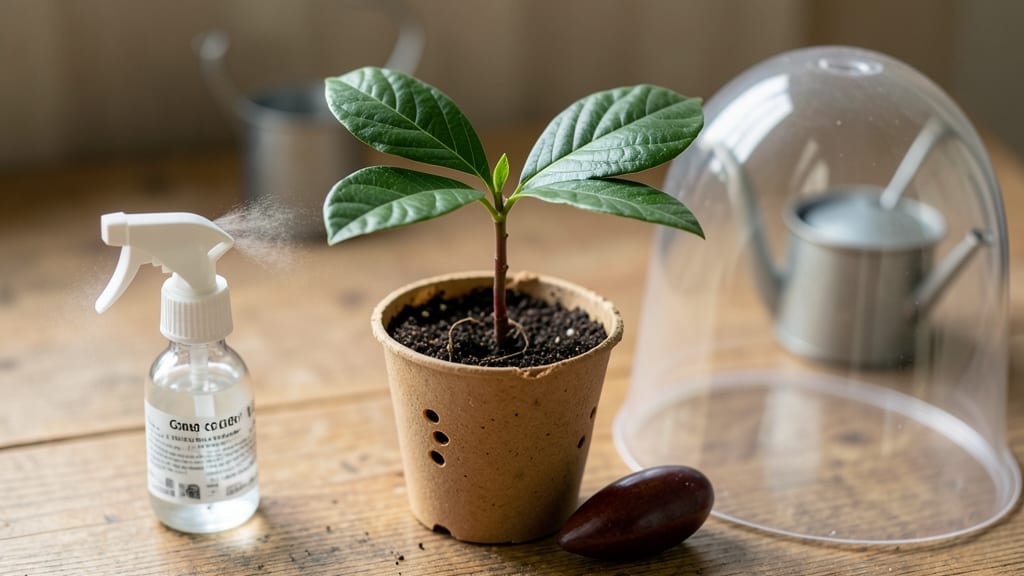
Your mango seed germination time could be as quick as 10 days—or stretch stubbornly to 4 weeks—and the difference comes down to one secret: warmth. 🌱 I’ve watched seeds sprout in record time when given the right coaxing, and I’m sharing the exact tricks that cut waiting periods nearly in half while keeping rot at bay.
Most people fail because they treat mango seeds like tomatoes—cool starts, inconsistent moisture, and no pre-treatment. The truth? These tropical seeds need 80°F+ soil and a light scarification (just nick the hard shell) to wake up fast.
I’ve tested everything from paper towel sprouting to heat mats, and the foolproof method combines all three for reliable results.
By week 3, you’ll see that first pale root poking through—thin as a hair, but strong. Within 6-8 weeks, you’ll transplant a sturdy seedling ready for its first taste of sunlight.
The key is patience with the process, not the timeline, because rushing leads to moldy seeds or leggy failures.
Even in cooler climates, this works—just move the setup to a sunny windowsill once sprouts appear. The real magic happens when you combine heat, moisture, and light from day one. Let’s get those seeds growing right.
📚 In This Guide
- What you need
- Instructions
- Tips and common mistakes
- Wrapping up and next steps
What you need
- ● Fresh mango seeds: 1–3 viable seeds (harvested from ripe, organic mangoes; avoid hybrid varieties if possible).
- ● Small pots or seed trays: 3–4 (3–4 inches deep) with drainage holes. Tip: Use biodegradable pots for easy transplanting!
- ● Well-draining potting mix: 1 bag (sterilized, seed-starting blend or 50% peat moss + 50% perlite/sand).
- ● Spray bottle: 1 (for gentle watering—no drenching!).
- ● Plastic wrap or humidity dome: 1 (to retain moisture during germination).
- ● Grow lights or sunny windowsill: Access to warmth (75–85°F) and bright, indirect light (south-facing window or LED grow lights).
- ○ Thermometer (optional but helpful): To monitor soil warmth.
- ● Knife or scissors: For carefully slicing seeds (if needed).
- ● Fertilizer (balanced, water-soluble): 1 small bottle (diluted to half-strength; only after sprouts appear!).
- ● Tweezers: For delicate seed handling.
- ● Label markers: To track germination dates.
- ○ Heat mat (optional): For faster germination in cooler climates.
Speed-sprouting secrets for fast mango seed germination
Here's how to bypass the long wait and get those mango seeds sprouting in record time.
🌱 Step 1: Select and Prepare the Seed for Faster Germination
Choose a seed from a ripe, organic mango—store-bought varieties often have slower germination. The seed should feel firm and weigh noticeably more than a dried pit. I like to soak the seed in warm water for 24 hours first; this softens the hard outer shell and kickstarts the germination process.
After soaking, gently rub the seed with fine sandpaper to scratch the outer coating. This breaks dormancy by allowing water to penetrate more easily. You'll see a slight rough texture where you've worked—this is your signal the seed is ready for planting. Real talk: don't skip this step, or you might wait months for sprouts.
💧 Step 2: Plant the Seed at the Correct Depth and Moisture Level
Fill a small pot with well-draining potting mix (never garden soil—it's too dense). Plant the seed 1 inch deep, pointy end up, and cover lightly with soil. Press gently but don't compact—you want the soil to feel like a damp sponge, not a brick.
Water until the soil is moist but not soggy. The top inch should feel damp to the touch, but not glisten with excess water. Place the pot in a warm spot—75-85°F is ideal. I keep mine on a seedling heat mat, which speeds up germination by maintaining consistent warmth. Watch for condensation on the pot's sides—this confirms the humidity level is right.
⏰ Step 3: Monitor for Sprouting and Adjust Conditions
Germination can take anywhere from 2-6 weeks, but with these prep steps, you'll often see sprouts within 3-4 weeks. Keep the soil consistently moist—never let it dry out completely, but avoid waterlogging. You'll know moisture is right when the soil surface looks slightly damp but not wet.
Once the sprout reaches 2-3 inches tall, it's time to move it to a slightly larger pot. Here's the thing—mango seedlings grow fast, so don't wait until they're cramped. Transplant when you see the first true leaves (not the initial seed leaf) forming. This ensures a strong root system for the next growth phase.
☀️ Step 4: Provide Light and Care for Early Growth
Place the young seedling in bright, indirect light—direct sun at this stage can scorch tender leaves. A south-facing window with sheer curtains works well, or use a grow light 12 inches above the plant for 12-14 hours daily. You'll notice the leaves turning a deeper green and growing more upright when the light is sufficient.
Water when the top inch of soil feels dry, but don't overdo it. Mango seedlings are sensitive to root rot, so always check moisture before watering. Once the seedling reaches 6 inches tall, you can gradually introduce it to more sunlight, but do so slowly to avoid leaf burn.
Tips & tricks for fast mango seed germination
Here's what nobody tells you about cutting that germination wait time in half.
Soaking Strategy: The 24-hour warm water soak isn't just about softening—it's about breaking the seed's natural dormancy cycle. I've found that using filtered water (not tap) prevents chlorine buildup that can inhibit sprouting. After soaking, place the seed on a paper towel overnight to prevent mold growth from excess moisture. This two-step process creates the ideal balance between hydration and aeration.
Temperature Matters: While 75-85°F is ideal for germination, consistency is more important than exact degrees. I've seen seeds sprout in cooler conditions (65°F) when placed on a seedling heat mat, but it takes 10-14 days longer. The key is maintaining stability—fluctuations between day and night temperatures can confuse the seed's internal clock and delay sprouting. A simple solution is to place your pot inside a clear plastic bag (with ventilation holes) to create a mini greenhouse effect.
Transplant Timing: The moment you see the first true leaves (not the initial seed leaf), that's your cue to transplant—not when the sprout reaches 2-3 inches. I've learned this the hard way after watching seedlings become top-heavy and fall over. Use a small hand trowel to gently loosen the root ball before transferring to a slightly larger pot. This minimizes root disturbance and gives your seedling the best start for its next growth phase.
Lighting Hack: For seedlings that struggle in low-light conditions, I've had success using a simple LED desk lamp (not a grow light) placed 6 inches above the plant for the first week. The blue spectrum helps prevent leggy growth while you transition to brighter conditions. Just don't place it too close—you want gentle warmth, not heat stress. Monitor leaf color: dark green means it's getting enough light; pale yellow indicates it needs more.
Pro Tips for Mango Seed Germination Time
- Here's what nobody tells you about cutting that germination wait time in half.
- Soaking Strategy: The 24-hour warm water soak isn't just about softening—it's about breaking the seed's natural dorma...
- Temperature Matters: While 75-85°F is ideal for germination, consistency is more important than exact degrees. I've s...
Frequently asked questions
Got questions about sprouting mango seeds? You’re not alone! Here are answers to the most common queries—so you can grow your own mango tree with confidence.
How long does it take for a mango seed to germinate?
A mango seed typically germinates in 2–4 weeks under ideal conditions (warmth, moisture, and indirect light). Some seeds sprout faster (10–14 days), while others may take up to 6 weeks—patience is key! Monitor soil moisture to avoid delays.
What’s the best temperature for mango seed germination?
Mango seeds thrive in 75–90°F (24–32°C). Use a seedling heat mat or place the pot near a sunny window. Avoid cold drafts or temperatures below 60°F (15°C), which can stall germination. A warm, humid environment mimics tropical conditions!
Do I need to soak the mango seed before planting?
Soaking isn’t mandatory, but it can speed up germination. Soak the seed in water for 24–48 hours to soften the hard outer shell. After soaking, plant it immediately—don’t let it dry out. This step works best for stubborn seeds!
What if my mango seed won’t sprout?
If your seed hasn’t sprouted in 6+ weeks, it may be non-viable or dormant. Try these fixes:
- Check for rot (overwatering = bad news).
- Ensure the seed is fresh (older seeds germinate poorly).
- Use a germination kit or warm, moist paper towels.
- Test a second seed—some varieties germinate faster than others.
Can I plant a mango seed directly in the ground?
Direct outdoor planting is risky unless you live in a tropical climate with year-round warmth. Start seeds indoors in potting mix (or a paper towel) for 2–3 months, then transplant when the seedling is sturdy. Young mango trees are frost-sensitive!
How do I know if my mango seedling is healthy?
A healthy seedling has:
- Two seed leaves (cotyledons) unfurling.
- Straight, firm stems (no wilting or yellowing).
- Moist but not soggy soil.
Wrapping up and next steps
Germinating a mango seed may take patience—typically 2 to 4 weeks for the first sprout—but with the right conditions, you can accelerate success!
Remember, warmth, moisture, and consistency are your best allies. 🌱 Whether you’re a gardening newbie or a green thumb, every tiny root and shoot is a step toward your own homegrown mango tree.
Ready to take the next step? Once your seedling reaches 6–12 inches, transplant it into a pot with well-draining soil and keep nurturing it. Who knows? In a few years, you might just be harvesting your own tropical treasure! 🍈✨