
Lawn
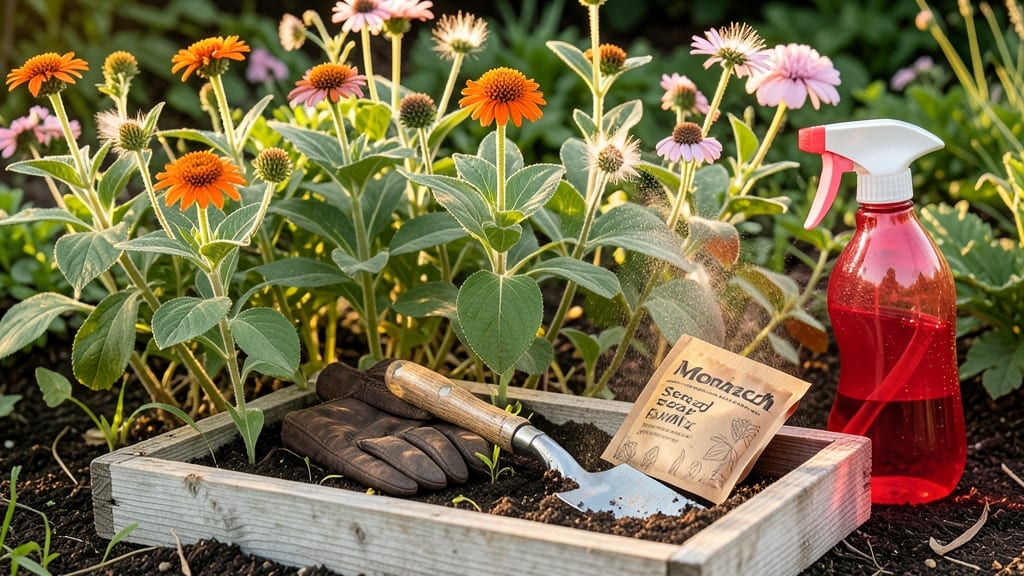
A single packet of monarch seed mix could turn your yard into a pollinator paradise this summer. 🌱 I planted mine last spring, and by July, my garden was alive with fluttering orange wings—something I’d only seen in nature documentaries before.
The secret lies in combining milkweed (the only host plant for monarch caterpillars) with nectar-rich flowers that keep adults feeding all season.
You don’t need a green thumb or acres of land—just a sunny spot, well-draining soil, and patience. The seeds are tiny, so start them indoors or scatter them directly in prepared beds after your last frost.
Water lightly to keep the soil moist (not soggy) until germination, which usually takes 10-20 days. Once established, these plants thrive with minimal fuss, rewarding you with vibrant blooms and buzzing visitors.
By late summer, you’ll watch caterpillars munching on milkweed leaves before transforming into butterflies that flutter to your nectar plants. The ecosystem effect is immediate: more monarchs mean more pollinators for your entire garden, leading to healthier vegetables and flowers.
Even my neighbor’s lawn—once a butterfly desert—now hosts daily visitors thanks to this simple blend.
Works in containers, borders, or wildflower meadows—adjust spacing based on your space. The key is planting early and letting nature take over. Ready to create a haven? Let’s get those seeds in the ground before spring slips away.
📚 In This Guide
- What you need
- Instructions
- Tips and common mistakes
- Wrapping up and next steps
What you need
- ● Monarch-friendly seeds: 20% Asclepias (milkweed) seeds – essential for monarch caterpillars (e.g., Asclepias tuberosa or Asclepias syriaca). Quantity: ~100–200 seeds per 10 sq ft.
- ● 30% nectar plant seeds – choose from Liatris spicata (blazing star), Echinacea purpurea (coneflower), or Rudbeckia hirta (black-eyed Susan). Quantity: ~150–300 seeds per 10 sq ft.
- ● 50% filler seeds – native grasses or wildflowers like Solidago spp. (goldenrod) or Coreopsis lanceolata (tickseed). Quantity: ~200–400 seeds per 10 sq ft.
- ● Growing medium: Potting soil or native soil mix (well-draining). Quantity: Enough to fill your planting area (e.g., 1–2 cubic feet per 10 sq ft).
- ○ Compost or aged manure (optional but recommended for nutrient boost). Quantity: 1–2 cups per 10 sq ft.
- ● Tools: Garden trowel or hand fork
- ● Gloves (to protect your hands from prickly seeds)
- ● Watering can or hose with a gentle spray nozzle
- ● Seed stratification tools: If planting milkweed seeds in fall/winter, a cold frame or refrigerator (for 2–4 weeks) mimics natural conditions.
- ● Mulch: Straw or shredded leaves to retain moisture and suppress weeds.
- ● Labeling tags: To track seed varieties and planting dates.
- ● Pollinator-friendly fertilizer: Low-nitrogen, high-phosphorus blend (e.g., 5-10-10) for established plants.
Step-by-Step guide to creating a monarch seed mix
Here's how I blend a pollinator-friendly mix that attracts monarchs all season long.
🌱 Step 1: Select Your Core Milkweed Varieties
Start with 2 parts milkweed seeds—the monarch caterpillar's only food source. I like to mix swamp milkweed for wet areas and common milkweed for dry spots. Each variety brings different leaf shapes and bloom times, so monarchs have food from early summer through fall. Collect seeds from local sources when possible—they're already adapted to your climate.
If you're using store-bought seeds, check the packet for cold stratification requirements. Some milkweeds need 6-8 weeks in the fridge to break dormancy, while others can be planted directly. I always soak seeds overnight first to soften the tough outer coating. This ensures faster, more uniform germination.
🌿 Step 2: Add Nectar Plant Seeds for Adult Monarchs
For every 1 part milkweed, add 1 part nectar plant seeds. My go-to mix includes butterfly weed (another milkweed that doubles as nectar), purple coneflower, and black-eyed Susan. These flowers provide energy for migrating monarchs and keep them lingering in your garden. I avoid invasive species like Mexican sunflower—stick to native varieties that support local ecosystems.
For a 4-pound mix, I use about 2 pounds of milkweed seeds and 2 pounds of nectar plant seeds. This ratio ensures monarchs have both larval food and adult sustenance. If you want to include herbaceous perennials, add 1 part wild bergamot—it's a monarch favorite and thrives in poor soil.
🪴 Step 3: Combine Seeds with Carrier Material
To create a workable seed mix, blend your seeds with a neutral carrier like sand or fine perlite. For a 4-pound mix, I use 1 pound of seeds and 3 pounds of carrier. This makes it easier to measure and sow. I like to use a clean, dry bucket and gently fold the materials together by hand—no need for fancy equipment.
Here's the thing—monarch seeds are tiny, so the carrier helps distribute them evenly. I always sift the mix through a fine-mesh screen to break up clumps. Store the finished blend in a paper bag or breathable container in a cool, dark place until ready to plant. Avoid plastic—it traps moisture and can cause mold.
⏰ Step 4: Prepare for Planting Season
Monarch seeds need full sun (6+ hours daily) and well-draining soil. I like to plant mine in late spring after the last frost when soil temperatures reach 60°F or warmer. Scatter the mix lightly over prepared beds—don't bury seeds deeper than ¼ inch. Press them gently into the soil so they make good contact.
Water the area thoroughly after planting, but don't overdo it. Monarch seeds need moisture to germinate, but soggy soil can rot them before they sprout. I use a fine mist setting on my hose to keep the soil damp but not waterlogged. You'll see tiny seedlings emerge in 2-4 weeks, depending on temperature.
☀️ Step 5: Maintain for Continuous Blooms
Once established, monarch plants need minimal care. I deadhead spent flowers regularly to encourage continuous blooming—this means more nectar for adult monarchs. Water deeply once a week during dry spells, but let the soil dry slightly between waterings. Overwatering leads to weak stems that can't support caterpillars munching on leaves.
Watch for milkweed leaf beetles—they'll eat your plants too. If you see them, handpick and drop them in soapy water. A healthy monarch garden becomes self-sustaining. Within a season, you'll see monarchs laying eggs on your milkweed, and the cycle continues. The key is patience—it takes 2-3 years for established plants to reach full pollinator potential.
Tips & tricks for perfect monarch seed mix
Here's what nobody tells you about crafting a seed mix that actually attracts monarchs—and keeps them coming back.
Local Sourcing Matters: Monarchs are picky about their food! When selecting milkweed varieties in Step 1, prioritize seeds from your region or state. Local sources already adapt to your climate, soil, and pests—this means stronger plants and better survival rates. I've seen monarchs completely ignore non-native milkweed varieties, no matter how pretty they look. If you're unsure where to source, check with local native plant nurseries or conservation groups—they often have region-specific recommendations.
Stratification Shortcut: The 6-8 weeks of cold stratification in Step 1 can feel like forever, but there's a trick: combine cold stratification with your fridge's vegetable drawer. Place seeds in a sealed container with a damp paper towel, then store in the fridge. This mimics natural winter conditions while saving space. I also label each container with the seed type and stratification start date—this prevents mixing up varieties later. Remember, some milkweeds like swamp milkweed need this cold treatment, while others like butterfly weed can skip it entirely.
Carrier Material Hack: In Step 3, when choosing your carrier material, opt for fine perlite over sand if possible. Perlite's lightweight and sterile properties prevent soil-borne diseases from transferring to your seeds. Plus, it's easier to sift through a fine-mesh screen without creating dust clouds. If you're using sand, rinse it thoroughly first to remove any fine particles that could clog your screen. I've found that a 1:3 seed-to-carrier ratio works perfectly for even distribution—just remember to mix gently by hand to avoid crushing those delicate monarch seeds.
Planting Timing Secret: The soil temperature check in Step 4 is your secret weapon for success. Use a soil thermometer to verify that temperature—monarch seeds won't germinate properly below 60°F. I've planted at the wrong time before, and the seeds just sat there, waiting for warmer conditions. Pro tip: Plant in late spring when your local forecast shows consistently warm days. This ensures the seeds get the moisture they need without risking rot from cool, wet soil. And remember, shallow planting (¼ inch deep) is key—monarch seeds need light to germinate properly.
Pro Tips for Monarch Seed Mix
- Here's what nobody tells you about crafting a seed mix that actually attracts monarchs—and keeps them coming back.
- Local Sourcing Matters: Monarchs are picky about their food!
- Stratification Shortcut: The 6-8 weeks of cold stratification in Step 1 can feel like forever, but there's a trick: combine cold stratification with your fridge's vegetable drawer.
Frequently asked questions
Got questions about monarch seed mixes?
You’re not alone! Here are answers to the most common queries to help you create a thriving pollinator garden with ease.
When is the best time to plant monarch seed mix?
Plant your monarch seed mix in early spring (after the last frost) or late summer (for fall blooms). Milkweed, a key monarch host plant, thrives in warm soil, so avoid planting until temperatures stay consistently above 50°F (10°C). For faster germination, consider pre-soaking seeds or using a seed starter.
How long does it take for monarch seed mix to grow and bloom?
Germination varies by plant type—milkweed may sprout in 7–14 days, while nectar plants like coneflowers or bee balm can take 2–4 weeks. Expect blooms 60–90 days after planting, depending on species and growing conditions. Patience pays off for monarchs, which rely on these flowers for food and habitat!
Can I use monarch seed mix in containers or small spaces?
Many monarch-friendly plants, like tropical milkweed (Asclepias curassavica) or butterfly weed (Asclepias tuberosa), thrive in containers. Choose pots at least 12 inches deep with drainage holes, and mix the seed blend with potting soil. Just ensure containers get 6+ hours of sunlight daily—monarchs love a sunny buffet!
What if monarchs don’t visit my garden after planting?
Don’t worry—it takes time! Ensure your garden has both milkweed (for egg-laying) and nectar-rich flowers (for adult monarchs). Avoid pesticides, and add water sources like shallow dishes with pebbles. If monarchs are slow to arrive, check nearby areas—they may be migrating or need a little extra encouragement.
Are there alternatives to monarch seed mixes for pollinators?
Yes! If monarch seed mixes aren’t available, opt for native wildflower blends or single-species seeds like black-eyed Susans, purple coneflowers, or goldenrod. These attract bees, butterflies, and hummingbirds too. Just ensure at least one milkweed species is included for monarchs—it’s their only host plant for caterpillars!
Wrapping up and next steps
Planting a monarch seed mix is a simple yet powerful way to support pollinators and create a thriving, eco-friendly garden. 🌸 By blending milkweed (essential for monarch caterpillars) with nectar-rich flowers, you’re not just beautifying your space—you’re nurturing biodiversity.
Whether you’re a beginner or a seasoned gardener, every seed sown makes a difference!
Ready to take action? Start small—choose a sunny spot, prep the soil, and scatter your mix. Your garden could soon become a monarch haven! 🌿