
Planting
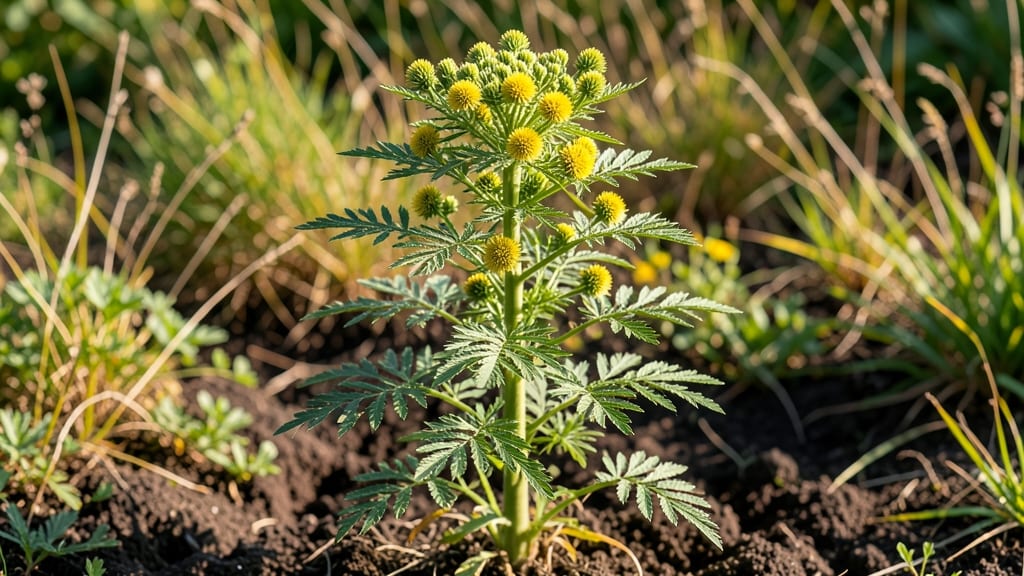
Planting nyjer seed transforms your garden into a hummingbird magnet by summer. 🌿 I learned the hard way that these tiny seeds need perfect timing—too early and they bolt, too late and they struggle to establish.
The key is starting them indoors 6-8 weeks before your last frost, then transplanting when soil warms to 60°F. This plant thrives where others fail: it handles light frosts, loves full sun, and keeps blooming for months.
The secret lies in well-draining soil—amend heavy clay with compost—and consistent moisture during germination. Once established, it’s shockingly drought-tolerant, making it ideal for hot, dry climates. By late summer, you’ll have clouds of tiny yellow flowers that hummingbirds can’t resist.
The plants stay compact (1-2 feet tall) but pack a bird-feeding punch. Snip spent blooms to encourage more flowers, and you’ll extend the season well into fall. Perfect for cottage gardens, wildlife-friendly spaces, or even container growing. Here’s how to get those seeds sprouting strong!
📚 In This Guide
- What you need
- Instructions
- Tips and common mistakes
- Wrapping up and next steps
What you need
- ● Nyjer seeds: 1 packet (typically 0.1 oz or ~3 grams—enough for 100+ plants). Look for Guizotia abyssinica seeds labeled for birdseed or gardening.
- ● Well-draining potting mix: 10–15 lbs of a lightweight, sandy loam blend (e.g., 60% potting soil + 40% perlite or vermiculite). Avoid heavy clay.
- ● Containers or garden bed: For containers: 4–6" deep pots with drainage holes (1–2 plants per 6" pot). Use at least 6–8 pots for a full display.
- ● For in-ground planting: A sunny spot with 6+ hours of direct sunlight daily and loose, well-amended soil.
- ● Watering can or spray bottle: With a fine rose nozzle for gentle hydration.
- ○ Fertilizer (optional but recommended): Balanced 10-10-10 or 5-10-10 granular fertilizer (1 tbsp per gallon of soil).
- ● OR liquid seaweed fertilizer (diluted to half-strength) for a gentle boost.
- ● Hand trowel or small shovel: For transplanting seedlings or loosening soil.
- ○ Gloves (optional): Nyjer seeds can be lightly irritating—nitrile gloves help if you’re sensitive.
- ● Plant labels: Markers or stakes to label varieties (especially if testing different colors!).
- ○ Mulch (optional): 1–2" of straw or shredded leaves to retain moisture and suppress weeds.
- ● Grow lights (indoor starters): A full-spectrum LED setup (12–16 hrs/day) if germinating seeds early.
- ○ Bird netting (optional): Lightweight mesh to protect blooms from hungry birds—nyjer is irresistible to finches!
- ● Climate: Nyjer thrives in USDA Zones 3–11. Start seeds 6–8 weeks before last frost (or direct-sow after soil reaches 50°F+).
- ● Sunlight: Full sun (6+ hours/day) is a must—partial shade = fewer blooms.
- ● pH Level: Aim for 6.0–7.5 (test soil with a kit if unsure).
- ● Patience: Germination takes 7–14 days—stay consistent with moisture!
Step-by-step instructions for planting nyjer seed for stunning blooms
Here's how I transform a small patch into a magnet for hummingbirds and bees—nyjer thrives where other annuals falter.
🌱 Step 1: Prepare the Soil for Optimal Germination
Nyjer seeds need loose, well-draining soil to break through their hard outer shell. Work in 2-3 inches of compost or aged manure into the top 6 inches of soil to improve drainage and fertility. This plant hates soggy roots, so amending heavy clay is non-negotiable—I've seen nyjer bolt when planted in compacted soil.
Rake the area smooth, removing all rocks and debris larger than ½ inch. Nyjer's tiny seeds won't compete with weeds, so a clean seedbed is crucial. Lightly press the surface with a board to create a firm seedbed—this prevents seeds from washing away during watering.
💧 Step 2: Sow Seeds at the Right Depth and Spacing
Scatter seeds ¼ inch deep—any deeper and they won't germinate. I use a simple trick: mix seeds with a small amount of dry sand first, then sprinkle evenly. This ensures even distribution and prevents clumping. For 4 plants, aim for about 1 teaspoon of seeds spread over 10 square feet.
Cover lightly with a thin layer of soil or vermiculite—just enough to obscure the seeds. Water gently with a fine spray nozzle until the soil is evenly moist but not saturated. Overwatering now will cause seeds to rot before they sprout. You'll see first sprouts in 14-21 days at 60-65°F soil temperatures.
☀️ Step 3: Provide Consistent Moisture and Light
Once seedlings emerge, maintain 1 inch of water per week, either from rainfall or irrigation. Nyjer tolerates drought better than most annuals, but consistent moisture during establishment prevents leggy growth. Water at soil level—never overhead—to avoid fungal diseases that thrive in damp foliage.
Full sun is non-negotiable for nyjer. Plant in locations receiving 6+ hours of direct sunlight daily. I've grown nyjer successfully in partial shade, but the blooms will be sparse and less vibrant. Watch for stems stretching toward light—a sure sign your plants need more sun.
✂️ Step 4: Thin and Maintain for Long-Lasting Blooms
When seedlings reach 2 inches tall, thin to 6-8 inches apart to give each plant room to develop. Use sharp scissors to cut unwanted seedlings at soil level—this prevents disturbing roots of remaining plants. Nyjer's delicate stems bruise easily, so handle with care.
Deadhead spent blooms regularly to encourage continuous flowering. I pinch off faded flowers every 2-3 days during peak bloom season. This plant rewards consistent care with 8-10 weeks of vibrant blooms, far longer than most annuals. Fertilize lightly with ½-strength balanced fertilizer every 4 weeks to maintain vigor.
⏰ Step 5: Prepare for Cold Hardiness and Winter Care
Nyjer's cold tolerance makes it unique among annuals. It survives light frosts down to 25°F with proper preparation. Before first frost, cut back stems to 2 inches and mulch with 2 inches of straw. This protects the crown while allowing new growth in spring.
In colder climates (Zone 5 and below), treat nyjer as a tender perennial. The roots often survive winter, producing new growth in spring. I've seen nyjer resprout from the same root system for 3+ years with proper winter protection—far longer than its annual reputation suggests.
Tips & tricks for perfect nyjer seed planting
Transforming your garden into a hummingbird haven starts with these game-changing insights for nyjer seed success.
Soil Prep Secret: For compacted or clay-heavy soil, mix in 2-3 inches of compost and till deeply into the top 6 inches—this isn't just about drainage, it's about breaking that hard outer shell nyjer seeds need to crack through. I've seen nyjer bolt when planted in unamended clay, so don't skip this step even if your soil looks "fine." The goal is to create a sponge-like texture that holds moisture without suffocating roots.
Timing is Everything: Those 14-21 days for germination depend heavily on soil temperature—aim for 60-65°F at planting time. If your spring arrives late, consider using a cold frame or row cover to maintain consistent warmth. I've had nyjer seeds sprout in just 10 days when soil temps hit 70°F, but they'll languish below 55°F. Use a soil thermometer for precision if you're in a transitional climate.
Thinning Technique: When seedlings reach 2 inches, thin to 6-8 inches apart using sharp scissors—never pull by hand. This prevents disturbing the roots of remaining plants and gives you clean cuts that heal faster. I've found that thinning in the early morning when stems are turgid (full of water) results in less stress on the plants. The extra seedlings make great transplants for filling gaps later in the season.
Winter Survival Hack: In colder climates (Zone 5 and below), treat nyjer like a tender perennial by cutting back to 2 inches and adding 2 inches of straw mulch before frost. I've had nyjer resprout from the same roots for three consecutive winters—it's like having a built-in perennial that blooms annually. The key is protecting the crown while allowing airflow to prevent rot.
Pro Tips for Nyjer Seed Plant
- Transforming your garden into a hummingbird haven starts with these game-changing insights for nyjer seed success.
- I've seen nyjer bolt when planted in unamended clay, so don't skip this step even if your soil looks "fine."
- Timing is Everything: Those 14-21 days for germination depend heavily on soil temperature—aim for 60-65°F at planting time.
Frequently asked questions
Got questions about growing nyjer seed plants? You’re not alone—this cold-hardy annual can be a game-changer for pollinators, but it’s not without its quirks. Below, we tackle the most common questions to help you plant with confidence and troubleshoot like a pro.
When is the best time to plant nyjer seeds?
Nyjer seeds thrive in cool weather, so aim to sow them 4–6 weeks before your last frost date in spring or directly in the garden in late summer to early fall for winter blooms. They’re frost-tolerant but prefer full sun (6+ hours/day). If planting in warm climates, use shade cloth to prevent bolting.
How do I prevent nyjer seeds from sprouting too fast or bolting?
Nyjer seeds germinate quickly—sometimes in just 3–5 days—so keep soil moist (not soggy) and avoid planting in hot, dry conditions. For summer planting, use shade cloth (30–50%) until seedlings are established. Pro tip: Thin seedlings to 12–18 inches apart to reduce competition and encourage stronger stems.
Why aren’t my nyjer plants attracting bees or finches?
Nyjer seeds are finch magnets, but bees love them too—if they’re missing, check these fixes:
- Timing: Finches prefer late summer/fall when seeds are mature (wait until flowers turn brown).
- Location: Plant near water sources or feeders to lure birds.
- Pests: Aphids or spider mites can deter pollinators—spray with neem oil if needed.
- Alternatives: Try thistle seeds or sunflower seeds if nyjer underperforms.
Can I grow nyjer seeds in containers or small spaces?
Nyjer plants are compact (1–3 feet tall), making them perfect for containers, window boxes, or vertical gardens. Use a well-draining mix and a pot at least 6 inches deep. For urban gardens, hanging baskets work great—just ensure they get full sun and deadhead spent blooms to prolong flowering.
What should I do if my nyjer seeds mold or rot?
Mold or rot usually means overwatering or poor drainage. Fix it by:
- Ensuring pots/containers have drainage holes and soil is light and airy (mix in perlite).
- Avoiding waterlogged soil—let the top 1 inch dry out between waterings.
- Using sterilized soil or a fungicide treatment if mold persists.
If seeds rot before sprouting, try fresh seeds or soak them in warm water for 12 hours before planting to boost germination.
Wrapping up and next steps
Growing a nyjer seed plant is a rewarding journey that brings vibrant blooms and a touch of exotic beauty to your garden—even in cooler climates! 🌸 With the right care, these drought-tolerant annuals thrive with minimal fuss, offering long-lasting color from summer to frost.
Whether you're a seasoned gardener or just starting, the key is patience and a little attention to their sunny, well-drained needs.
Ready to level up your garden game? Start by gathering your supplies, then dive in—plant those seeds and watch your space transform! For extra inspiration, explore companion plants or creative container ideas to make the most of your nyjer seed blooms. Happy planting! 🌱✨