
Planting
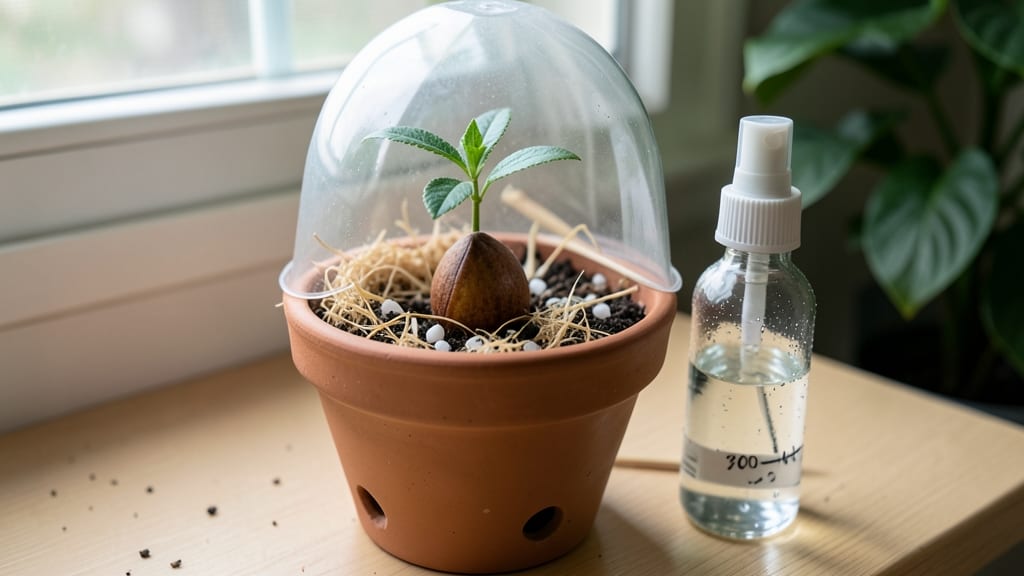
Planting a mango seed in a pot turns kitchen waste into a living gift that could grow fruit someday. 🌱 I’ve sprouted mango trees from grocery store pits, and with the right soil mix and patience, you can too—no greenhouse needed.
The key is mimicking tropical conditions right from the start, even if your home is dry or chilly.
Start with a 4-inch pot filled with moistened sphagnum moss or coconut coir—these hold humidity better than regular potting soil. Plant the seed about 1 inch deep, with the flat side down (that’s where the root will emerge).
Keep it in warmth (75-85°F) and bright, indirect light—a sunny windowsill works, but avoid direct midday sun. The first sign of life usually appears in 2-4 weeks, but some seeds take months.
Once your seedling pops up, it’s all about consistency: water when the top inch feels dry, and rotate the pot weekly so it grows straight. Expect yellowing leaves at first—that’s normal as it adjusts.
With time, you’ll have a 6-foot-tall houseplant that thrives year-round, even if it never bears fruit. The real magic? Watching it grow from a tiny sprout to a tropical centerpiece.
This method works for any mango pit, whether from a store-bought fruit or a neighbor’s tree. Just avoid overwatering (root rot is the #1 killer), and be patient—some seeds germinate in 6 months or more.
The payoff? A zero-waste project that teaches kids (or adults!) about plant life cycles while adding greenery to your home.
📚 In This Guide
- What you need
- Instructions
- Tips and common mistakes
- Wrapping up and next steps
What you need
- ● Mango seed: 1 fresh, plump seed (preferably from an organic or heirloom mango). Pro tip: 💡 Let it dry for 2–3 days after removing it from the fruit to prevent mold.
- ○ Well-draining pot: 1 small pot (4–6 inches in diameter) with drainage holes. Optional: A biodegradable peat or coconut coir pot for transplanting later.
- ● Potting mix: 1 bag of seed-starting mix or a blend of 50% coco coir + 50% perlite/vermiculite for aeration.
- ● Watering can or spray bottle: For gentle hydration without over-saturating the soil.
- ● Knife or scissors: To carefully slice the seed (if scarification is needed).
- ○ Plastic wrap or humidity dome: To create a mini greenhouse effect (optional but recommended for humidity-loving seeds).
- ● Toothpick or skewer: For poking small drainage holes if your pot lacks them.
- ○ Grow lights or sunny windowsill: A warm, bright spot (60–80°F) for germination. Optional: A heat mat (70–80°F) speeds up sprouting.
- ● Patience: Mango seeds can take 2–6 weeks (or longer!) to germinate.
- ● Space: Mature mango trees need 10+ feet of height—plan for indoor growth or outdoor relocation in warmer climates.
- ● Knowledge: Research your local frost dates if growing outdoors. Mangoes thrive in USDA Zones 10–11 but can be grown in containers year-round indoors.
Step-by-step guide to germinating a mango seed in a pot
Here's how to turn a discarded mango pit into a thriving indoor plant—no special tools required.
🌱 Step 1: Prepare the Seed for Faster Germination
Start by cleaning the seed thoroughly under running water to remove any remaining fruit residue. The key to speeding up germination is breaking the seed's natural dormancy. Place the seed between two damp paper towels, folding them to cover completely. Store the wrapped seed in a sealed plastic bag and leave it in a warm spot, like on top of your fridge or near a sunny window.
Check the seed daily and mist with water if the towels feel dry. You'll know germination is imminent when the seed splits open and a small white root emerges. This process typically takes 7-14 days, depending on warmth and humidity. Real talk: if you're impatient, a heat mat set to 75°F cuts germination time in half.
🪴 Step 2: Choose and Fill the Germination Container
Use a small pot with drainage holes—4-6 inches deep is ideal for the first stage. Fill it with a lightweight, well-draining mix: combine 50% potting soil with 50% perlite or coarse sand. Moisten the mix until it's damp but not soggy, then make a small hole about 1 inch deep in the center using your finger.
Gently place the germinated seed (root side down) into the hole, covering it with soil. Press lightly around the edges to secure it. Don't overwater now—the goal is to keep the soil consistently moist but not waterlogged. Place the pot in a warm, bright spot, avoiding direct sunlight, which can dry out the soil too quickly.
☀️ Step 3: Provide Ideal Growing Conditions
Mango seedlings thrive in bright, indirect light. A south-facing window works well, but if your space is dim, supplement with a grow light positioned 6-12 inches above the plant. Keep the soil surface slightly damp by watering every 2-3 days—until the top inch feels dry to the touch. Overwatering at this stage is the fastest way to kill your seedling.
Once the first true leaves appear (not the initial seed leaves), you'll know the seedling is established. This usually happens within 4-6 weeks. At this point, you can gradually introduce it to more sunlight. Watch for leggy growth—a sign it needs stronger light. If the stem stretches too much, it won't recover its compact shape.
✂️ Step 4: Transplant and Encourage Strong Growth
When the seedling reaches 6-8 inches tall and has 4-6 true leaves, it's ready for its first transplant. Choose a slightly larger pot—8-10 inches deep—and fill it with a mix of 60% potting soil, 20% perlite, and 20% compost. Dig a hole, gently remove the seedling (hold it by the leaves, not the stem), and place it in the new pot, covering the roots with soil.
Water thoroughly after transplanting to help the roots settle. Place the pot in a spot with morning sun and afternoon shade to avoid leaf scorch. Fertilize lightly with a balanced, water-soluble fertilizer (diluted to half strength) every 4-6 weeks during the growing season. Avoid fertilizing in winter when growth slows.
🌿 Step 5: Maintain and Troubleshoot Common Issues
Mango trees are tropical and love warmth—keep your seedling in a spot where temperatures stay between 65-85°F. If you notice yellowing leaves, it's often a sign of overwatering or poor drainage. Let the top inch of soil dry out completely before watering again. Brown leaf tips, on the other hand, usually mean the air is too dry—mist the leaves occasionally or place a humidity tray nearby.
Pests like spider mites or aphids can appear if your plant is stressed. Wipe leaves with a damp cloth weekly to remove dust and deter pests. If you spot tiny webs or sticky residue, treat with neem oil or insecticidal soap. With patience, your mango seedling will grow into a small tree—though it may take years to produce fruit indoors. The journey is the reward!
Tips & tricks for perfect mango seed germination
Here's what I've learned from growing mango seedlings that actually thrive—not just survive. These little details make all the difference between a sad, stunted plant and a lush, growing mango tree.
Heat Mat Hack: That 75°F heat mat recommendation isn't just about speed—it's about consistency. Seedlings need warmth to break dormancy, and kitchen counters fluctuate wildly. If you don't have a heat mat, place your seedling on top of your fridge (where it stays warm) or near a sunny window with a heat lamp. The key is maintaining that steady warmth—fluctuations slow germination to a crawl. I've seen seeds take 3 weeks instead of 1 when temps dip below 70°F.
Soil Mix Precision: The 50-50 mix of potting soil and perlite is non-negotiable for the first stage. Perlite creates those tiny air pockets that prevent root rot, while potting soil provides just enough nutrients without overwhelming the delicate seedling. Pro tip: Sift your perlite to remove any fine particles—you want the coarse stuff only. I learned this the hard way when my first batch had dusty perlite that compacted into a solid mass.
Light Transition Strategy: When you see those first true leaves (not the initial seed leaves) around 4-6 weeks, resist the urge to move the plant into direct sun immediately. Instead, start with 2 hours of morning sun daily**, then gradually increase exposure. I've watched seedlings go from healthy to crispy in 24 hours when moved too quickly—mango leaves are tropical and sensitive to sudden UV exposure. Think of it like sunbathing: start with a light tan, then build up.
Transplant Timing: Wait until your seedling has 4-6 true leaves and is 6-8 inches tall before transplanting—don't rush this step. The roots need to establish a network to support that size. I've seen seedlings topple over immediately after transplant when moved too soon. When you do transplant, water thoroughly first to help the roots slide out of the small pot easily. This minimizes root damage and gives your plant a smoother transition.
Pro Tips for Plant Mango Seed In Pot
- Here's what I've learned from growing mango seedlings that actually thrive—not just survive. These little details mak...
- Heat Mat Hack: That 75°F heat mat recommendation isn't just about speed—it's about consistency. Seedlings need warmth...
- Soil Mix Precision: The 50-50 mix of potting soil and perlite is non-negotiable for the first stage. Perlite creates ...
Frequently asked questions
Got questions about growing mango trees from seeds in pots?
You’re not alone! Here are answers to the most common concerns—from timing to troubleshooting—to help your mango seedling thrive.
How long does it take for a mango seed to sprout in a pot?
A mango seed typically sprouts within 2–4 weeks if kept warm (70–85°F) and moist. Patience is key—some seeds take up to 6–8 weeks! Place the pot in indirect sunlight and maintain consistent humidity. Avoid overwatering, as soggy soil can rot the seed before it germinates.
Can I plant a mango seed directly from the fruit without drying it first?
Yes! You don’t need to dry the seed—just wash off the fruit pulp and plant it fresh. The pulp provides natural moisture, but rinse it thoroughly to prevent mold. For faster germination, soak the seed in water for 24 hours before planting. Pro tip: Use a seedling tray with drainage to avoid waterlogged soil.
What’s the best pot size for a mango seedling?
Start with a small pot (4–6 inches wide) to keep the seedling’s roots cozy. Mango trees grow fast, so upgrade to a 10–12 inch pot within 6–12 months. Ensure pots have drainage holes—mango roots hate soggy feet! Terracotta pots help regulate moisture, but plastic works too if you’re diligent about watering.
Why isn’t my mango seed sprouting? Troubleshooting tips.
If your seed isn’t sprouting, check these fixes:
Not warm enough? Mango seeds need warmth (use a heating mat or sunny windowsill).
Too dry? Keep soil moist but not soggy—mist lightly if needed.
Old or damaged seed? Test viability by soaking in water; if it sinks, it’s alive!
No light? Place near bright, indirect light (no direct sun yet).
If all else fails, try planting a second seed—some just take longer!Can I grow a mango tree indoors year-round in a pot?
Yes, but with limitations! Mango trees thrive outdoors in tropical climates, but you can keep them indoors as dwarf houseplants with proper care. Place near a sunny window (south-facing is ideal) and supplement with grow lights in winter. Expect slower growth and smaller fruit—outdoor pots (15+ gallons) yield better harvests.
Wrapping up and next steps
Growing a mango tree from a seed in a pot is a rewarding, zero-waste adventure that brings a touch of the tropics to your home—no green thumb required! 🌱 With the right patience and care, you’ll nurture a thriving plant that could one day gift you with delicious fruit. Ready to take the next step? Once your seedling sprouts and grows a few inches tall, transplant it into a larger pot or even the ground (if you’re in a warm climate) to give it room to flourish.
Happy planting—your future mango tree is counting on you! 🌿✨