
Lawn
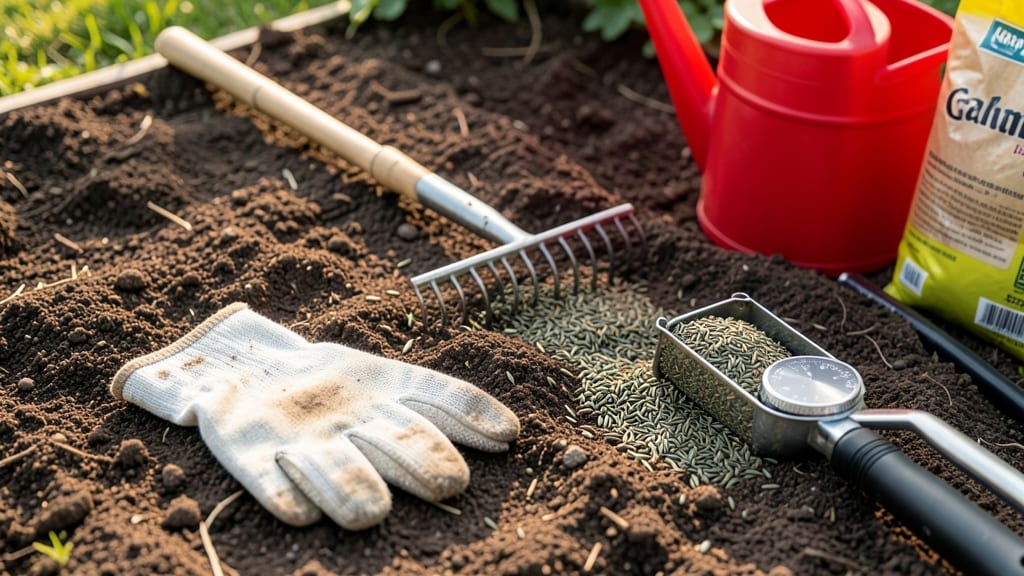
Planting grass seed in autumn gives you the thickest, greenest lawn of the season—if you time it right. 🌱 The cooler temperatures and consistent rainfall create perfect conditions for germination, while weeds stay dormant, giving your grass a head start.
Most people wait until spring, but fall is when the pros plant for maximum success.
First, test your soil and adjust the pH if needed—most grasses thrive between 6.0 and 7.0. Loosen the top 2-3 inches of soil with a rake or aerator, then spread a high-quality cool-season seed mix evenly over the area.
Lightly rake it in so it makes contact with the soil without burying it too deep.
Watering is where most people mess up: keep the soil consistently moist (not soggy) for the first 2-3 weeks. Aim for about ¼ inch of water per day, either from rain or a gentle sprinkler. Once the grass reaches 3-4 inches tall, you can back off to regular watering.
In cooler climates, you can plant as early as late August, while mild zones do best with September planting. The key is getting the seed in the ground at least 4-6 weeks before your first hard frost.
With the right timing and care, you’ll have a lush lawn that outlasts weeds and survives winter stronger than ever.
📚 In This Guide
- What you need
- Instructions
- Tips and common mistakes
- Wrapping up and next steps
What you need
- ● Cool-season grass seed (10–20 lbs per 500 sq. ft., depending on variety—e.g., tall fescue, Kentucky bluegrass, or perennial ryegrass)
- ● Lawn soil tester kit (to check pH—aim for 6.0–7.0 for optimal growth)
- ● Garden rake (heavy-duty, 18–24" wide, for leveling and aerating)
- ● Broadcast spreader (handheld or tow-behind, calibrated for even seed distribution)
- ● Lawn roller (100–150 lb, to firm seed into soil)
- ● Starter fertilizer (high-phosphorus, like 10-20-10, 1–2 lbs per 500 sq. ft.)
- ● Mulch or straw (lightweight, ¼–½ inch thick, to retain moisture)
- ● Water source (hose with adjustable nozzle or sprinkler system)
- ● Knee pads or gloves (for comfort during prep work)
- ● Seed germination blanket (biodegradable, for erosion-prone areas)
- ● Soil conditioner (compost or peat moss, to improve drainage)
- ● Pre-emergent herbicide (apply after seeding to block weeds)
- ● Lawn aerator (core or spike, if soil is compacted)
- ● pH adjuster (lime to raise pH or sulfur to lower it, if needed)
Step-by-Step instructions for planting grass seed in autumn
Autumn is the perfect time to grow lush, weed-resistant lawns—here’s how to do it right.
🌱 Step 1: Prepare the Soil for Optimal Seed Contact
Start by removing all debris, rocks, and weeds from your lawn area. Use a rake to loosen the top 2-3 inches of soil—this creates a seed-friendly surface. The goal is to expose fresh soil without turning it into a muddy mess. If your lawn has thick grass, consider mowing it shorter first to reduce competition.
Test the soil’s moisture by squeezing a handful—it should hold together lightly but not feel soggy. If it’s too dry, water deeply the day before planting. You’ll know it’s ready when the top inch feels damp but not wet. This moisture level helps seeds stay in place and germinate faster.
💧 Step 2: Spread Grass Seed Evenly for Uniform Growth
Use a broadcast spreader or hand-spreader to distribute the seed evenly across the prepared area. Walk in straight lines, overlapping slightly to avoid bare spots. For a 4,000 sq ft lawn, you’ll need about 8-12 lbs of seed, depending on the grass type. Cool-season grasses like Kentucky Bluegrass or Fescue work best in autumn.
Lightly rake the area again after spreading to press seeds into the soil without burying them. Seeds need contact with soil to germinate but shouldn’t be covered deeper than ¼ inch. This step ensures consistent germination and prevents seeds from washing away during watering.
☀️ Step 3: Water Gently but Frequently for Germination
Water the seeded area immediately after planting, keeping the soil consistently moist for the first 2-3 weeks. Use a gentle sprinkler or hose to avoid dislodging seeds. Aim for ¼ inch of water daily, breaking it into two sessions—morning and evening—to reduce evaporation. You’ll see tiny green sprouts emerge in 7-14 days, depending on the grass type and weather.
Once the grass reaches 2-3 inches tall, reduce watering to 1 inch per week, including rainfall. Overwatering at this stage can lead to fungal issues or weak growth. Keep the soil moist but not saturated—you’ll know it’s right when the top inch feels damp but not muddy.
✂️ Step 4: Maintain and Protect New Growth
Wait until the grass reaches 3-4 inches tall before your first mow. Set the mower blade to 3 inches to encourage deep root growth. Mowing too short stresses young grass and invites weeds. After mowing, leave clippings on the lawn—they act as natural fertilizer, returning nutrients to the soil.
Monitor for weeds early, pulling them by hand before they compete with your grass. A light application of pre-emergent herbicide in late autumn can prevent weed seeds from germinating next spring. Mulch with ¼ inch of compost after germination to retain moisture and improve soil health.
Tips & tricks for perfect autumn grass planting
Here's what I've learned from years of autumn lawn planting—avoid these common pitfalls for the best results.
Soil Prep Secret: In Step 1, don't just loosen the soil—aim to create a fine, crumbly texture like cake batter. This helps seeds make direct contact with moisture. I use a garden fork to break up compaction in tight spots, especially after summer heat. The goal is to mimic how seeds naturally germinate in nature—no buried treasure here!
Timing is Everything: The 2-3 week watering window in Step 3 is your critical period. I set a phone reminder for morning and evening watering sessions—consistency is key. If you miss a day, water deeply the next morning to compensate. Rainy days? Check your soil moisture—you might not need that ¼ inch if it's been raining.
Seed Depth Matters: In Step 2, that ¼ inch depth rule is non-negotiable. Too deep and seeds won't get enough oxygen to sprout; too shallow and they'll dry out. I use a simple trick: lightly rake after spreading, then run my fingers through the soil—you should feel seeds nestled just below the surface, not hidden.
First Mow Tip: Waiting for 3-4 inches in Step 4 might feel like forever, but trust me—it's worth it. I mark my calendar 6-8 weeks after planting as my target. The deeper roots established at this height mean your lawn will handle drought better next summer. And yes, you can finally mow!
Pro Tips for Planting Grass Seed In Autumn
- Here's what I've learned from years of autumn lawn planting—avoid these common pitfalls for the best results.
- Soil Prep Secret: In Step 1, don't just loosen the soil—aim to create a fine, crumbly texture like cake batter.
- Timing is Everything: The 2-3 week watering window in Step 3 is your critical period.
Frequently asked questions
Got questions about autumn grass seeding? You’re not alone! Here are answers to the most common concerns—so you can tackle your lawn project with confidence.
What’s the best time to plant grass seed in autumn?
For cool-season grasses (like Kentucky bluegrass, fescue, or ryegrass), aim for late summer to early fall—typically 4–6 weeks before your first hard frost. This gives seeds time to germinate before winter. Warm days and cool nights create ideal conditions. Check your local frost dates for precision!
How long does it take for grass seed to grow in autumn?
Germination usually takes 7–21 days, depending on temperature, moisture, and seed type. Cool-season grasses sprout faster in 50–70°F soil temps. Thin, patchy growth? Don’t panic—it’s normal! Full coverage may take 3–4 weeks, but roots strengthen over time for winter resilience.
How often should I water newly planted grass seed?
Keep soil consistently moist (not soggy!) for the first 2–3 weeks. Water lightly 2x daily (morning/evening) to avoid washing seeds away. Once sprouts reach 1–2 inches, taper to 1 inch per week. A sprinkler with a fine mist setting works best.
Can I plant grass seed in autumn if I already have weeds?
Yes, but prep is key! Mow weeds short, then apply a non-selective herbicide (like glyphosate) 1–2 weeks before seeding. For organic options, smother weeds with cardboard or mulch. Thin weed layers won’t stop grass from growing, but thick patches may compete for nutrients.
What if my grass doesn’t grow well after autumn planting?
Don’t give up! Check for these issues:
- Poor soil: Test pH (ideal: 6.0–7.0) and amend with compost.
- Shallow seeding: Cover seeds with ¼-inch soil max.
- Traffic/animals: Protect seedlings with temporary fencing.
- Drought/heat: Mulch with straw to retain moisture.
Wrapping up and next steps
Autumn is your golden opportunity to transform a patchy lawn into a lush, vibrant carpet—cool-season grasses thrive when seeded in these crisp, weed-free weeks!
By choosing the right seed, prepping the soil, and timing your efforts before the first frost, you’ll set the stage for a stronger, healthier lawn next spring. Don’t wait—your future lawn is counting on you!
Ready to take action? Grab your tools, check the forecast, and start planting this weekend! Your future self (and your neighbors) will thank you for the thick, green oasis you’re creating today. 🌱✨