
Lawn
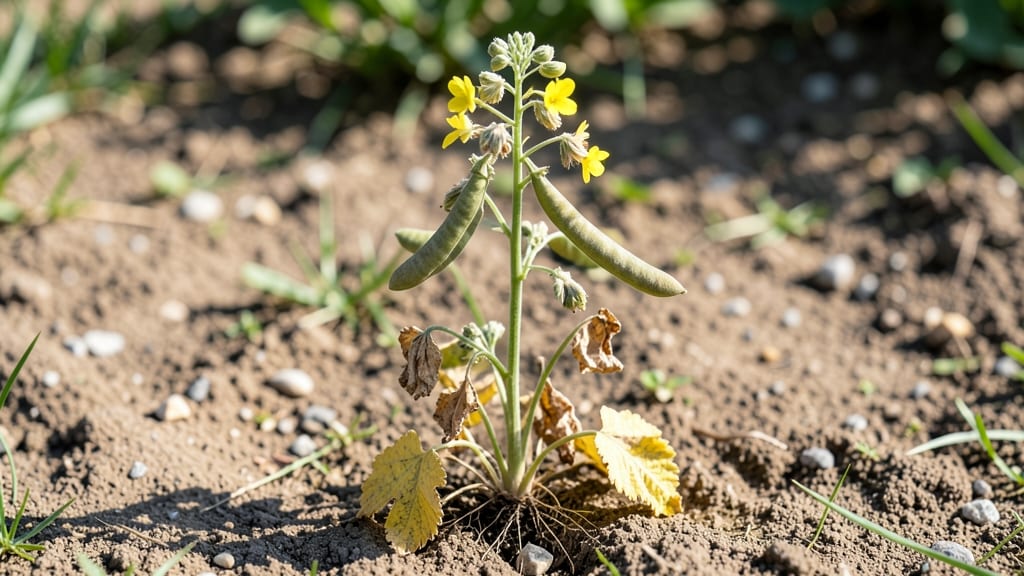
Twisting off wild mustard seed pods gives you free seeds for next year’s garden—no waste, no cost. 🌱 I’ve been collecting these twisty little pods for years, and they’re one of nature’s simplest ways to stockpile seeds without buying a single packet.
The key is knowing when and how to harvest them before they scatter. These pods form on wild mustard plants (Brassica spp.), which thrive in disturbed soil—think garden edges, roadsides, or even cracks in pavement.
They’re hardy, fast-growing, and produce those signature yellow flowers that turn into seed pods with a distinctive twist-off mechanism. One plant can yield dozens of pods, each packed with tiny black seeds ready for planting.
You’ll end up with a stash of seeds that stay viable for years, perfect for wildflower mixes, cover crops, or even foraging. The pods themselves are a fun kids’ activity—just twist, collect, and store. No special tools needed, just your hands and a paper bag.
Works for gardeners, foragers, and anyone who wants to reduce waste. Here’s how to do it right the first time.
📚 In This Guide
- What you need
- Instructions
- Tips and common mistakes
- Wrapping up and next steps
What you need
- ● Wild mustard plants (identify Brassica juncea or similar species—avoid toxic lookalikes!)
- ● Pruning shears or sharp scissors (for clean cuts, 1 pair)
- ● Paper bags or breathable fabric sacks (for drying pods, 2-3 medium-sized)
- ● Glass jars or airtight containers (for storage, 1-2 quart-sized)
- ● Labeling tags & marker (to track harvest dates)
- ○ Gloves (optional but recommended) (nitrile or cotton, for handling prickly pods)
- ● Magnifying glass (for spotting tiny pods in dense foliage)
- ● Small twine or rubber bands (to bundle pods for drying)
- ● Dehydrator or oven (for faster drying if needed)
- ● Seed-saving envelope (for long-term storage, 5-10 envelopes)
- ● Field guide or plant ID app (to double-check species)
How to harvest wild mustard seed pods for year-round seed supply
Here's the simple, sustainable method I use to collect wild mustard seeds without waste.
🌱 Step 1: Identify and Select Mature Pods
Look for wild mustard plants with fully brown, dry seed pods—they should rattle when gently shaken. Avoid green pods, as seeds won't be ready. I pick pods in the morning after dew dries, when they're stiffest. Use clean, dry hands or wear gloves to avoid skin irritation from the plant's natural oils.
Twist pods gently at the base where they meet the stem. If they snap cleanly, the seeds are ready. If they resist, leave them another day. Collect pods in a paper bag (not plastic) to prevent moisture buildup. I always harvest from at least 4 different plants to ensure genetic diversity for future growth.
🌿 Step 2: Dry and Prepare Pods for Twist-Off Harvest
Spread the collected pods on a clean, dry towel in a single layer, away from direct sunlight. Let them dry for 2-3 days until completely crisp. You'll know they're ready when pods shatter easily at the slightest touch. I place them near a fan on a low setting to speed drying without damaging the delicate structures.
Once dry, place pods in a large bowl or bucket. Hold the bowl at a slight angle and gently shake it side to side. The pods will twist open naturally, releasing seeds into the bowl. Avoid vigorous shaking—this prevents seed damage. I repeat this process 3-4 times to ensure maximum seed release from stubborn pods.
✂️ Step 3: Separate Seeds from Debris
Use a fine-mesh sieve or clean kitchen strainer to sift the seeds from pod fragments and stems. Tap the sieve gently to ensure all seeds fall through. Discard any remaining plant debris—this keeps your seed supply pure. I store the sieve over a white bowl to easily spot any missed seeds against the bright background.
For extra purity, spread the seeds on a clean baking sheet and let them air-dry for another 24 hours. This final drying step prevents mold during storage. I always label the seeds with the harvest date and location—this helps track viability over time.
🪴 Step 4: Store Seeds for Long-Term Viability
Transfer the dried seeds to a paper envelope or glass jar with a tight-sealing lid. Store in a cool, dark place (like a pantry or refrigerator) where temperatures stay between 35-50°F. Wild mustard seeds remain viable for 3-5 years under these conditions, though germination rates drop after year two.
I date each storage container and write notes about growing conditions from that year. This helps me track which seed batches perform best in future plantings. For extra protection, add a small packet of silica gel to absorb any moisture in the container.
Tips & tricks for perfect wild mustard seed pod harvesting
A few simple tricks will help you maximize your seed yield and keep your harvest sustainable for years to come.
Timing Secret: Harvest pods in the morning after dew dries—this is when they're stiffest and easiest to twist open. I've found that pods collected after rain or late in the day often resist opening, even when fully mature. If you must harvest later, wait until the pods are completely dry to the touch. The 2-3 day drying period in Step 2 becomes even more critical if you harvest damp pods.
Pod Selection Tip: When testing for maturity, give pods a gentle shake over a white surface—you should see tiny seeds rattle inside. Green pods contain immature seeds that won't germinate, while fully brown pods that shatter easily are perfect. I always collect from at least 4 different plants to maintain genetic diversity, which helps prevent disease in future plantings and ensures better seed viability.
Drying Strategy: The 2-3 day drying period is your friend, but don't rush it. Place pods near a fan on low setting to circulate air without damaging them. If you're in a humid climate, consider using a small dehumidifier near your drying area. After the initial drying, the extra 24 hours on a baking sheet ensures complete moisture removal—this prevents mold during storage and extends seed viability by up to 2 years.
Storage Wisdom: For long-term storage beyond the 3-5 year window, consider vacuum-sealing your seeds. I've had seeds remain viable for up to 7 years when stored this way. Just remember to label your vacuum-sealed bags with the harvest date. The silica gel packets mentioned in Step 4 work wonders for absorbing any residual moisture that might cause clumping or mold over time.
Pro Tips for Wild Mustard Seed Pods
- A few simple tricks will help you maximize your seed yield and keep your harvest sustainable for years to come.
- Timing Secret: Harvest pods in the morning after dew dries—this is when they're stiffest and easiest to twist open.
- Pod Selection Tip: When testing for maturity, give pods a gentle shake over a white surface—you should see tiny seeds rattle inside.
Frequently asked questions
Got questions about harvesting wild mustard seed pods?
You’re not alone! Here are some of the most common queries—plus quick, practical answers to help you master twist-off harvesting like a pro.
When is the best time to harvest wild mustard seed pods?
Harvest pods when they’re fully brown, dry, and just starting to crack open—usually late summer to early fall. Avoid harvesting too early (green pods = bitter taste) or too late (seeds scatter everywhere!). Morning harvests work best when dew is off but humidity is low.
How do I know if the pods are ready for twist-off harvesting?
Ready pods should twist off with a gentle tug (no forcing!). Look for these clues: dry, papery texture, brown or tan color, and seeds rattling inside. If pods snap or resist, they’re not ripe yet. Pro tip: Hold a pod between your fingers—if it crumbles easily, it’s harvest time!
What should I do if birds or squirrels eat my seed pods before I can harvest?
Don’t worry—this is normal! To minimize losses, harvest pods early in the morning or late in the evening when critters are less active. Cover plants with lightweight netting (like garden fabric) if pests are relentless. Bonus: The seeds you do save will be extra plump and flavorful!
Can I use wild mustard seed pods from my lawn for cooking?
Wild mustard seeds (like those from Brassica juncea) are edible and pack a peppery kick—great for seasoning soups, salads, or homemade mustard. Always confirm the plant ID (avoid toxic lookalikes like Horseradish) and rinse seeds thoroughly to remove debris. Start with small batches to test flavor!
What if my wild mustard plants don’t produce pods?
Several factors could be at play: lack of pollinators (hand-pollinate with a brush), overcrowding (thin plants for better airflow), or poor soil (add compost or fertilizer). If plants bolt too early (flower before pods form), try harvesting seeds from nearby wild patches or grow mustard in containers for controlled conditions. Patience pays off—some varieties take 2–3 years to mature!
Wrapping up and next steps
Wild mustard seed pods are nature’s zero-waste gift—packed with flavor, easy to grow, and perfect for year-round harvesting! Whether you’re a seasoned gardener or a curious beginner, these twist-off pods make seed-saving effortless. Start small, experiment, and watch your garden thrive!
Ready to dive in? Plant a few pods this season and enjoy the satisfaction of homegrown, sustainable seeds. Who knows—you might just inspire others to embrace the joy of wild, edible gardening! 🌱✨