
Lawn
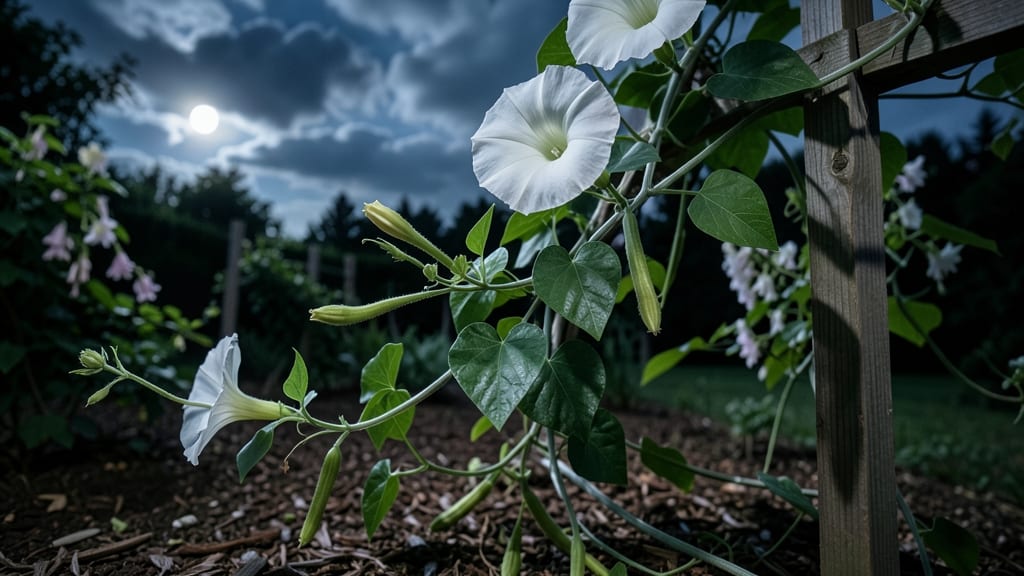
Moonflower seed pods hold the secret to growing these dreamy white blooms next season—no buying seeds required. 🌙 I’ve saved moonflower seeds for years, and the process is simpler than you’d think, especially if you time it right with the late summer pod harvest.
The key is waiting for those papery pods to turn brown and crack open naturally. You’ll know they’re ready when they split along the seams, revealing glossy black seeds inside. Harvesting too early means immature seeds that won’t germinate, while waiting too long risks losing them to birds or rain.
Once you’ve collected them, drying the seeds on a mesh screen for 1-2 weeks ensures they stay viable. Store them in a cool, dark place, and you’ll have fresh moonflower magic ready for spring planting—just scatter them where you want vines to climb next year.
This zero-waste method saves money and keeps your garden thriving with free, high-quality seeds. Here’s exactly how to do it without a single wasted pod.
📚 In This Guide
- What you need
- Instructions
- Tips and common mistakes
- Wrapping up and next steps
What you need
- ● Moonflower plants (Ipomoea alba) – Mature vines with fully developed seed pods (typically late summer to early fall).
- ● Pruning shears or sharp scissors – For cleanly cutting seed pods without damaging the vine.
- ● Brown paper bags or breathable fabric sacks – 2-3 medium-sized bags (12"x15") to collect pods and allow airflow.
- ● Tray or flat surface – A clean, dry area (like a baking sheet or large plate) for drying pods.
- ● Fine-mesh sieve or colander – To separate seeds from chaff once pods are open.
- ● Paper towels or parchment paper – For drying seeds before storage.
- ● Air-tight containers (e.g., glass jars or seed envelopes) – Small jars with lids or labeled envelopes for long-term storage.
- ● Permanent marker or labels – To mark containers with the harvest date and variety.
- ● Gloves – If you prefer not to handle pods directly (some may irritate sensitive skin).
- ● Fan or dehumidifier – To speed up drying in humid climates.
- ● Magnifying glass – For inspecting seeds for pests or damage before storage.
- ● Seed catalog or notebook – To track germination rates and notes on your harvest.
Instructions for harvesting moonflower seed pods
Here's my foolproof method for collecting seeds without wasting a single pod.
🌿 Step 1: Identify Mature Seed Pods
Moonflower seed pods are ready when they turn from green to a dry, papery brown and start splitting open along one seam. I look for pods that feel light when shaken—this means the seeds inside are fully mature and ready for harvest. Avoid pods that are still green or have closed seams, as the seeds inside won't be viable.
Check your moonflowers in the late morning when the pods are dry. If you harvest too early, the seeds won't germinate well. You'll know you've waited too long if the pods crumble when touched or the seeds scatter when you shake them.
🌱 Step 2: Harvest the Pods Gently
Use clean, dry hands or a small pair of pruning shears to carefully snip the seed pods from the vine. I avoid pulling them directly to prevent damaging the plant. Hold the pod over a clean bucket or paper bag to catch any seeds that may fall out during handling. Work systematically from the bottom of the vine upward to ensure you don't miss any pods.
If you're harvesting in the garden, wear gloves to protect your hands from the plant's mild sap, which can irritate skin. Place the harvested pods in a dry, well-ventilated area to finish drying for an additional 24 hours. This extra drying step ensures the seeds are fully mature and ready for storage.
⏰ Step 3: Extract Seeds from the Pods
Once the pods are completely dry, gently open them by hand and shake out the seeds into a clean bowl. I find it easiest to do this over a piece of newspaper or a white tray, as the seeds are small and can easily scatter. If the pods are stubborn, lightly crush them with your fingers—just enough to release the seeds without damaging them.
Remove any debris, chaff, or empty seed casings by hand. You'll notice the viable seeds are plump and dark brown, while any remaining debris is light and papery. Store the cleaned seeds in a small envelope or airtight container labeled with the harvest date. This ensures you know how old the seeds are for future planting.
🪴 Step 4: Store Seeds for Future Planting
Place the labeled envelope or container in a cool, dry place away from direct sunlight. A pantry or seed storage box works perfectly. Moonflower seeds can remain viable for up to 3 years if stored properly, though I've found they germinate best when used within 1-2 years. Check the seeds occasionally to ensure they haven't absorbed moisture or developed mold.
For long-term storage, consider placing the container in the refrigerator or freezer. The cooler temperature slows down the aging process and helps maintain seed viability. Just make sure the container is completely sealed to prevent moisture buildup, which can lead to mold or rot.
Tips & tricks for perfect moonflower seed pod harvesting
Here's what nobody tells you about making this process foolproof—tricks that'll save you time and frustration while ensuring every seed stays viable.
Timing Secret: Harvest moonflower seed pods in the late morning when they're completely dry. This is when the pods are at their most fragile and easiest to handle. I've learned this the hard way—trying to harvest in the afternoon can cause the pods to split prematurely, scattering seeds everywhere. The dry morning light also makes it much easier to spot the papery brown color that signals maturity.
Harvesting Technique: When snipping pods from the vine, use a gentle twisting motion rather than cutting straight through. This helps release the pod more cleanly while minimizing damage to the vine. I always work from the bottom of the plant upward to avoid stepping on or damaging lower pods that might still be maturing. A small pair of pruning shears works best—regular scissors can crush the delicate pods.
Drying Strategy: That extra 24-hour drying period in Step 2 is crucial for seed viability. I place my harvested pods on a wire rack in a well-ventilated area, away from direct sunlight. This prevents overheating while allowing air circulation. If you're short on time, you can speed up the process by using a food dehydrator set to its lowest setting for 12-16 hours, but I've found the natural drying method yields the best results.
Seed Extraction Tip: For stubborn pods that won't open easily, place them in a paper bag and gently crush them with a rolling pin. The bag will catch any seeds that scatter, and the paper helps absorb any moisture. I've also found that placing the pods in a warm spot (like near a sunny window) for 30 minutes before extraction makes them easier to open without damaging the seeds.
Pro Tips for Moonflower Seed Pods
- Here's what nobody tells you about making this process foolproof—tricks that'll save you time and frustration while ensuring every seed stays viable.
- Timing Secret: Harvest moonflower seed pods in the late morning when they're completely dry.
- Harvesting Technique: When snipping pods from the vine, use a gentle twisting motion rather than cutting straight through.
Frequently asked questions
Got questions about harvesting and saving moonflower seed pods? You’re not alone—these delicate pods can be tricky to work with! Here’s what you need to know to avoid common pitfalls and maximize your seed-saving success.
When are moonflower seed pods ready for harvesting?
Moonflower seed pods typically mature 6–8 weeks after flowering. Look for pods that turn from green to a brownish or papery tan color—this signals they’re dry and ready. If the pods split open easily when gently squeezed, it’s time to harvest! Avoid picking them too early, or seeds won’t be viable.
How do I harvest moonflower seed pods without damaging them?
Use clean, sharp pruning shears or scissors to snip the pods from the vine, leaving a small stem attached. Wear gloves—moonflower vines can be prickly! Place harvested pods in a paper bag (not plastic) to dry further. Handle them gently to prevent premature seed release.
What if my moonflower seed pods split open before I can harvest them?
Don’t worry—this is normal! If pods crack early, collect the seeds immediately by shaking them onto a tray or paper. Spread them out to dry in a cool, dry place (like a mesh bag) for 1–2 weeks. Store them in an airtight container once fully dry to prevent mold.
Can I save seeds from moonflower plants grown from store-bought flowers?
Yes, but with a caveat: hybrid moonflowers (common in nurseries) may not produce true-to-type seeds. For reliable results, save seeds from heirloom or open-pollinated varieties or ask local growers. If you’re unsure, test a few seeds—some may still germinate!
How should I store moonflower seeds long-term?
Once fully dry, store seeds in a cool (32–40°F), dark, and dry environment (like a fridge or seed vault). Use paper envelopes or airtight containers with silica packets to absorb moisture. Label them with the harvest date—moonflower seeds stay viable for 2–3 years if stored properly.
Wrapping up and next steps
Harvesting moonflower seed pods is a rewarding way to embrace zero-waste gardening while ensuring next year’s blooms! 🌙 With just a little patience and care, you can turn these delicate pods into a sustainable seed source.
Whether you’re a seasoned gardener or a beginner, every step—from identifying ripe pods to proper storage—contributes to a greener future.
Ready to take the next step? Start small: save seeds from just one plant this season and watch your garden thrive with homegrown moonflowers. Happy harvesting! 🌱