
Planting
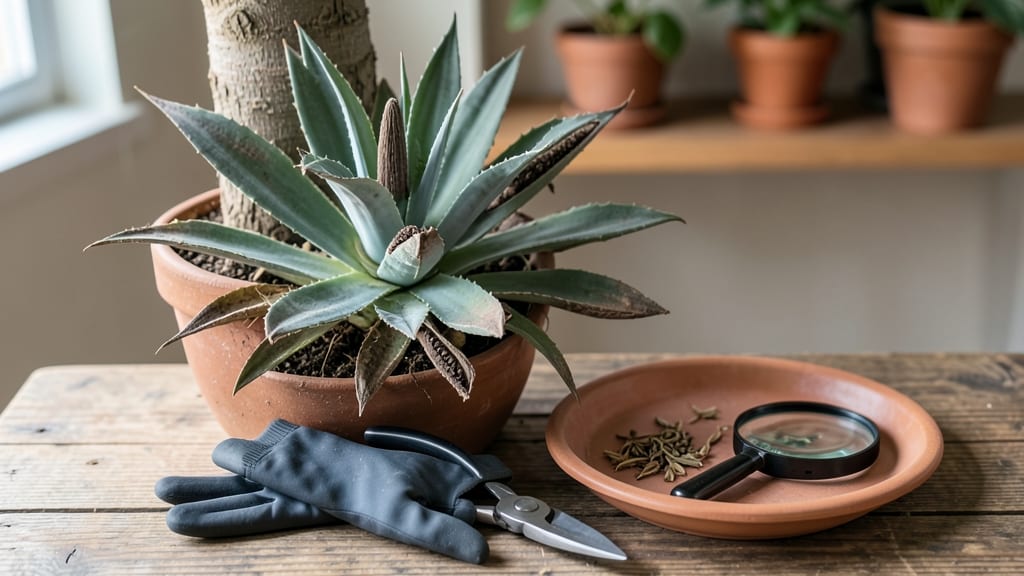
Yucca seed pods hide a world of possibilities—if you know how to unlock them. 🌱 The key to growing these striking plants from seed lies in understanding each variety’s unique germination timeline, from the quick-sprouting Yucca filamentosa to the patient Yucca elephantipes that takes months to crack open.
My first attempt ended in disappointment when I rushed the process, but once I learned the right steps, I now grow yuccas from seed every season.
You’ll need just a few supplies: a sharp knife to harvest mature pods, a warm spot for stratification, and a well-draining soil mix. The real magic happens in the waiting—some seeds germinate in 2-4 weeks, while others take 6-8 weeks or longer.
Patience is the secret weapon here, especially when dealing with thick-skinned varieties like Yucca gloriosa.
Once sprouted, these plants reward you with bold, sword-like foliage and dramatic flower spikes. The first true leaves appear within 6-12 weeks after germination, and with proper care, you’ll have a sturdy young yucca ready for transplanting in about 6 months.
The best part? You’ll end up with plants that thrive in full sun and dry soil—perfect for low-maintenance landscapes.
Whether you’re growing from seed indoors or outdoors, the same principles apply. Just remember: proper soil drainage and consistent moisture (without soggy soil) are non-negotiable. Once established, yuccas are nearly indestructible, making them a great project for both beginners and seasoned gardeners.
📚 In This Guide
- What you need
- Instructions
- Tips and common mistakes
- Wrapping up and next steps
What you need
- ● Yucca seed pods: Fresh or dried (ensure they’re plump and firm; avoid shriveled or moldy pods). Quantity: 5–10 pods per batch for best results.
- ● Well-draining potting mix: A blend of cactus/succulent soil (60%) + perlite or coarse sand (40%). Quantity: 2–3 gallons per 10-inch pot.
- ● Seed-starting trays or small pots: With drainage holes. Size: 2–4 inches deep (e.g., 12-cell trays or 4-inch pots).
- ● Spray bottle: For gentle watering (avoid soaking).
- ● Clear plastic dome or plastic wrap: To create a humid microenvironment.
- ● Grow lights or sunny windowsill: Yucca seeds need bright, indirect light (6+ hours/day).
- ● Seed scarification tools: Sandpaper (100-grit) or a knife to nick pods (speeds up germination).
- ● Heat mat: Set to 75–85°F to mimic desert conditions (accelerates sprouting).
- ● Fungicide: A light dose of hydrogen peroxide (3%) or neem oil to prevent mold.
- ● Humidity tray: Elevates trays above water to maintain moisture without soggy soil.
- ● Plant labels & marker: Track varieties and planting dates (yucca seeds vary by type!).
How to germinate Yucca seed pods successfully
Here's my battle-tested method for breaking through yucca's notoriously slow germination—variety-specific timing included.
🌱 Step 1: Extract and Prepare the Seeds
Yucca seed pods are tough—start by slicing them open lengthwise with a sharp knife to reveal the gelatinous interior. Remove the seeds carefully; they're encased in a sticky coating that needs removal. Rinse them under lukewarm water while gently rubbing between your fingers to dissolve the mucilage. You'll know they're ready when they feel smooth and firm, not slimy.
Spread the cleaned seeds on a paper towel to air-dry for 24 hours. This prevents rot during stratification. I place them on a mesh rack to ensure airflow on all sides—no stacking or crowding. The goal is to dry them just enough to handle without leaving moisture trapped.
🌱 Step 2: Stratify for Variety-Specific Germination
Yucca seeds require cold stratification to break dormancy. Place the dried seeds in a sealed plastic bag with a damp paper towel—just enough moisture to keep it damp, not wet. Store in your refrigerator's crisp drawer for 6-8 weeks (varies by variety: 4-6 weeks for Yucca filamentosa, 8-10 weeks for Yucca elephantipes).
Check weekly by pressing the paper towel—it should feel like a wrung-out sponge. If it's dry, mist lightly; if soggy, add another paper towel and let it air out. This mimics winter's natural conditions and signals the seed it's time to sprout. I mark the start date on the bag so I don't lose track.
☀️ Step 3: Sow in Warm, Sterile Soil
After stratification, fill 2-3 inch deep seed trays with a cactus/succulent mix (yucca hates soggy roots). Moisten the soil until it's damp but not dripping—think of a wrung-out sponge. Plant seeds ¼ inch deep, spacing them 1 inch apart in rows. Yucca seeds are tiny, so I use a toothpick to make tiny holes and drop them in one at a time.
Cover the trays with clear plastic wrap to retain humidity and warmth. Place them in a 75-85°F environment—my seedling heat mat keeps them consistently warm. Germination can take 4-12 weeks depending on the variety, so patience is key. I keep a log of planting dates to track progress.
💧 Step 4: Provide Gentle Moisture and Light
Once sprouts appear, remove the plastic wrap immediately to prevent damping-off. Water from the bottom by placing the trays in ½ inch of water for 10 minutes, then drain excess. Yucca seedlings are drought-tolerant but won't survive soggy soil. You'll see tiny, grass-like leaves emerge first—these are the first true leaves, signaling successful germination.
Move seedlings to a bright, indirect light spot (no direct sun yet). A south-facing window with sheer curtain works well. If they stretch toward the light (leggy growth), they need more intensity. I use a grow light on a timer for 12-14 hours daily to ensure even growth. Avoid cold drafts—they'll stall development.
✂️ Step 5: Transplant When Ready
Seedlings are ready for individual pots when they develop 3-4 true leaves and reach 2-3 inches tall. Use 4-inch pots with fresh cactus mix. Gently tease apart roots if crowded, but yucca seedlings handle minimal disturbance well. Plant them ½ inch deeper than they were in the tray to stabilize the stem.
Water lightly after transplanting, then reduce to every 2 weeks once established. Yucca thrives on neglect—overwatering is the #1 killer. By 6 months, they'll be ready for their permanent home in a sunny, well-draining spot. The key is gradual acclimation: start with morning sun only, then increase exposure over 2 weeks.
Tips & tricks for successful Yucca seed pod germination
Yucca seeds are notoriously stubborn, but these variety-specific tricks will help you break through their dormancy like a pro.
Seed Preparation: When rinsing the mucilage off your seeds in Step 1, don't rush—this sticky coating protects the seed from drying out in nature. The key is gentle pressure while rubbing between your fingers. If seeds still feel slimy after 5 minutes, let them soak in lukewarm water for an additional 10 minutes before drying. This ensures complete removal without damaging the seed coat.
Stratification Strategy: The 6-8 week cold stratification in Step 2 is non-negotiable for breaking dormancy, but here's the secret: place a small piece of chalk in the bag with your seeds. This creates a moisture gradient that mimics natural conditions better than a damp paper towel alone. For Yucca elephantipes specifically, I've found adding a pinch of cinnamon to the bag helps prevent mold during the longer 8-10 week period.
Sowing Precision: In Step 3, when planting your ¼-inch deep seeds, use a toothpick to create tiny divots rather than pressing seeds directly into the soil. This prevents crushing the delicate seed coats. For larger batches, I mark planting rows with a chopstick before adding seeds—this keeps spacing consistent at the recommended 1 inch apart. The goal is to mimic how seeds would naturally fall in a desert environment.
Light Transition: That gradual 2-week acclimation to full sun in Step 5 is crucial—yucca seedlings can develop sunburn if exposed too quickly. Start with just 1-2 hours of morning sun the first week, then increase by 30 minutes daily. Watch for leaves that turn pale yellow at the tips; this is your signal to slow down the sun exposure. A sheer curtain over a south-facing window works perfectly for this transition period.
Pro Tips for Yucca Plant Seed Pods
- Yucca seeds are notoriously stubborn, but these variety-specific tricks will help you break through their dormancy like a pro.
- Seed Preparation: When rinsing the mucilage off your seeds in Step 1, don't rush—this sticky coating protects the seed from drying out in nature.
- Stratification Strategy: The 6-8 week cold stratification in Step 2 is non-negotiable for breaking dormancy, but here's the secret: place a small piece of chalk in the bag with your seeds.
Frequently asked questions
Got questions about yucca plant seed pods?
You’re not alone! Here are answers to the most common queries—from germination timing to troubleshooting—so you can grow confidently.
How long does it take for yucca seed pods to germinate?
Germination timelines vary by variety but typically range from 2 to 6 weeks. Some fast growers (like Yucca filamentosa) sprout in as little as 10 days, while others (such as Yucca gloriosa) may take up to 8 weeks. Keep soil consistently moist and warm (70–80°F) to speed up the process. Check our variety-specific guide for exact estimates!
Why aren’t my yucca seeds sprouting after 6+ weeks?
Patience is key, but if your seeds still haven’t sprouted, check these common culprits:
- Cold soil: Yucca seeds need warmth (ideal: 75–85°F). Use a heat mat if your environment is chilly.
- Dampness issues: Overwatering can rot seeds, while dry soil stalls germination. Aim for moist (not soggy) conditions.
- Old or viable seeds: Yucca seeds lose viability quickly—plant fresh seeds within 1–2 months of harvest.
Can I plant yucca seed pods directly in the ground outdoors?
While possible, direct sowing outdoors works best in warm climates (USDA Zones 7–11) during spring or early summer. For cooler regions, start seeds indoors 8–12 weeks before the last frost. Yucca seeds prefer well-draining soil—amend garden beds with sand or gravel if your soil is heavy. Pro tip: Plant pods shallowly (½ inch deep) and mulch lightly to retain moisture.
What’s the best alternative if my yucca seeds won’t germinate?
If germination fails, consider these reliable alternatives:
- Offsets/suckers: Mature yucca plants produce pups—simply separate and replant for instant growth!
- Tissue culture plants: Nurseries sell lab-grown yucca starters with a 90%+ success rate.
- Layering: Bend a flexible stem to the ground, cover with soil, and wait for roots to form (works for Yucca recurvifolia).
Do yucca seed pods need light to germinate?
Yes! Yucca seeds require light to germinate—do not bury them deeply. After sowing, place the container in a bright, indirect spot (e.g., a sunny windowsill or under grow lights). Once sprouts emerge, move them to full sun (6+ hours daily) to prevent leggy seedlings. Learn more about light needs for each growth stage.
Wrapping up and next steps
Yucca plant seed pods offer a rewarding way to grow these hardy, drought-tolerant beauties—but success starts with patience and the right approach. Whether you’re nurturing Yucca elephantipes or Yucca gloriosa, understanding their unique germination timelines and care needs sets you up for lush, thriving plants. 🌱
Ready to take the next step? Start by gathering your supplies, prepping your growing medium, and sowing those seeds with confidence. Watch those sprouts emerge—and soon, you’ll be showcasing your very own yucca garden!