
Propagation
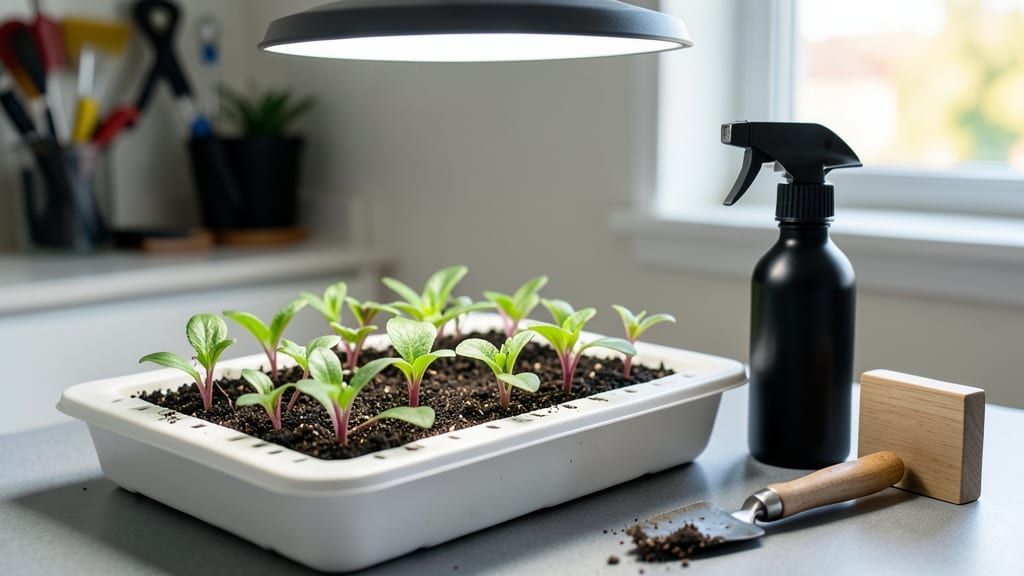
Growing zinnias from seed indoors gives you a head start on bold summer blooms—just 4-6 weeks of prep means vibrant flowers by June. ✨ I’ve learned that zinnias germinate fast (often in 3-7 days) when you mimic their natural conditions, and avoiding the common pitfalls like damping-off or leggy seedlings is all about timing and technique.
The secret to success starts with the right setup: warm soil (70-75°F), a shallow tray with drainage holes, and a mix of seed-starting soil and perlite to prevent mold.
Most beginners overwater or use containers that trap moisture—zinnias hate soggy roots, so keep things lightly damp and avoid plastic covers unless you’re ready to monitor humidity closely.
By the time you transplant, you’ll have stocky, dark-green seedlings with true leaves, ready to handle outdoor conditions. The payoff? Flowers that bloom weeks earlier than store-bought plants and last until frost.
Just watch for pests like spider mites and keep them in bright light (or under grow lights) to prevent stretching.
This method works for any zinnia variety—dwarf, giant, or single-bloom types—and scales from a sunny windowsill to a seedling heat mat. Once you’ve mastered the basics, you’ll never buy zinnia transplants again. Let’s get those seeds sprouting!
📚 In This Guide
- What you need
- Instructions
- Tips and common mistakes
- Wrapping up and next steps
What you need
- ● Zinnia seeds: Choose heirloom or hybrid varieties (e.g., 'Benary’s Giant,' 'Profusion'). Aim for 5–10 seeds per container (they germinate quickly and densely!).
- ● Seed-starting trays or pots: Cell packs (72–200 cells, 2–3 inches deep)
- ● OR shallow trays with drainage holes (6+ inches wide)
- ● High-quality seed-starting mix: Sterile, lightweight blend (e.g., Pro-Mix BX or FoxFarm Seedling Mix). Avoid garden soil—it’s too dense!
- ● Grow lights or sunny windowsill: LED grow lights (12–16 hours/day, 2,000–4,000 lumens)
- ● OR south-facing window (zinnias need 6+ hours of direct light daily).
- ● Spray bottle with water: Room-temperature, filtered water (avoid tap water if it’s chlorinated).
- ● Humidity dome or plastic wrap: Keeps moisture in until germination (5–7 days).
- ○ Heat mat (optional but helpful): 70–75°F soil temperature speeds up germination (e.g., Vivosun Heat Mat).
- ● Fertilizer: Diluted fish emulsion (5-5-5) or water-soluble seedling formula (use after true leaves appear).
- ● Thermometer/hygrometer: Monitors soil temp (70–80°F ideal) and humidity (70–80% until germination).
- ● Bottom watering tray: Prevents overwatering by lifting moisture from below.
- ● Label markers: Track varieties and planting dates (zinnias mature in 60–75 days!).
- ● Fungicide (preventative): Neem oil spray or copper fungicide to ward off damping-off.
Step-by-step instructions for growing zinnias from seed indoors
Here's how to coax those vibrant zinnias from seed in record time—no waiting months for blooms.
🌱 Step 1: Prepare Containers and Soil for Fast Germination
Use 4-inch diameter pots or a seed tray with cells that size—zinnias hate root disturbance, so individual containers prevent transplant shock later. Fill each with a lightweight sterile seed-starting mix, not garden soil, which compacts and slows germination. Moisten the mix until it feels like a damp sponge, then press it down gently so the surface is firm but not packed.
This ensures even moisture distribution without creating air pockets that delay sprouting. I like to tap the container on the table once to settle the soil while keeping it loose enough for tender roots to push through. The goal is a surface that's just firm enough to hold seeds in place when you plant them.
🌱 Step 2: Sow Seeds at the Perfect Depth and Temperature
Plant 2-3 seeds per pot at a depth of just ¼ inch—any deeper and they'll struggle to reach light, delaying germination by days. I use a toothpick to make a small hole, drop in the seeds, then cover them with a sprinkle of the same mix. Zinnias germinate fastest at 70-75°F, so place the pots on a seedling heat mat if your home runs cooler.
Mist the surface with a spray bottle until the soil looks evenly moist but not soggy. A heavy watering can will bury seeds too deep or wash them away. Label each pot with the variety and date—after a week of watching identical green sprouts, you'll forget which is which. Cover the tray with a clear plastic dome or wrap to retain warmth and humidity, which speeds germination from 7-10 days to just 5-7 days.
☀️ Step 3: Provide Bright Light Immediately After Sprouting
The moment you see first true leaves (not the initial seed leaves), remove the dome and move seedlings to 14-16 hours of bright light daily. A south-facing window rarely provides enough intensity, so I use a full-spectrum LED grow light positioned 2-3 inches above the plants. Without sufficient light, seedlings stretch toward the window, becoming leggy and weak—a common mistake that sets back blooming by weeks.
You'll see strong seedlings have thick stems and dark green leaves spaced about 1 inch apart. If stems grow thin and leaves pale, your light is too far away. Raise the light as plants grow to maintain that 2-3 inch gap. Rotate pots a quarter turn daily so they grow upright instead of leaning.
🌿 Step 4: Thin Seedlings and Harden Off for Outdoor Transition
Once seedlings have 2 sets of true leaves (about 3-4 weeks after sowing), thin to the strongest plant per pot by snipping the others at soil level with clean scissors. This prevents overcrowding, which stresses plants and reduces bloom production. Water deeply after thinning to help roots recover.
Two weeks before your last frost date, start hardening off by placing pots outside in a sheltered spot for 1-2 hours the first day. Gradually increase time by 1 hour daily until they tolerate a full day outside. You'll know they're ready when leaves stay firm and vibrant, not wilted. Transplant on an overcast afternoon to reduce shock, and water deeply at the base to encourage root establishment.
Tips & tricks for fast zinnia germination indoors
Here's what nobody tells you about speeding up those stubborn zinnia seeds—these tricks cut germination time in half.
Container Selection: Skip the cheap plastic trays and use 4-inch diameter pots instead of seed trays with smaller cells. Zinnias develop long taproots that need room to establish—crowded cells force roots to circle, creating transplant shock later. I use terracotta pots because they wick moisture evenly, preventing the soggy soil that drowns tender seedlings.
Temperature Matters: The 70-75°F range isn't just a recommendation—it's the magic zone for zinnia seeds. If your home runs cooler, invest in a seedling heat mat ($15 at garden centers) and place pots directly on it. Without this, germination stretches to 14 days instead of the promised 5-7 days. Pro tip: Check the underside of your pots—if they feel warm to the touch, you're in the ideal range.
Lighting Strategy: That 14-16 hours of light isn't optional—it's where most beginners fail. A south-facing window won't cut it unless you live in a greenhouse. I position my full-spectrum LED light 2-3 inches above seedlings and adjust as they grow. Watch for stems that stretch toward the light like noodles—this means you need more intensity or lower the light. Rotate pots daily to prevent leaning, which wastes energy that should go to root development.
Pro Tips for Zinnias From Seed Indoors
- Here's what nobody tells you about speeding up those stubborn zinnia seeds—these tricks cut germination time in half.
- Container Selection: Skip the cheap plastic trays and use 4-inch diameter pots instead of seed trays with smaller cells.
- Temperature Matters: The 70-75°F range isn't just a recommendation—it's the magic zone for zinnia seeds.
Frequently asked questions
Got questions about growing zinnias from seed indoors? You’re not alone! Here are answers to the most common queries to help you succeed with these vibrant blooms.
When is the best time to start zinnia seeds indoors?
Start zinnia seeds indoors 6–8 weeks before your last frost date. This timing ensures seedlings are sturdy enough for transplanting outdoors when soil warms (around 60°F/15°C). For cooler climates, aim for early spring; in warmer zones, late winter works. Pro tip: Use a seedling heat mat to speed up germination!
How long does it take for zinnia seeds to germinate indoors?
Zinnia seeds typically sprout in 7–14 days indoors, depending on warmth and moisture. Keep soil consistently moist (not soggy) and maintain temperatures between 70–75°F (21–24°C). If germination takes longer, check for adequate light—zinnias need bright conditions to thrive.
Why aren’t my zinnia seedlings growing tall or strong?
Weak seedlings often stem from lack of light, overcrowding, or poor nutrition. Ensure they get 14–16 hours of light daily (use grow lights if natural light is dim). Thin seedlings to 1–2 inches apart and fertilize lightly with a balanced 10-10-10 mix once true leaves appear. Avoid overwatering—zinnias hate soggy roots!
Can I grow zinnias indoors year-round, or do they need outdoor time?
While zinnias can start indoors, they thrive outdoors for full blooms. Transplant seedlings after the last frost when nights stay above 50°F (10°C). If you must keep them indoors long-term, place them near a south-facing window and supplement with grow lights. Outdoor exposure boosts flower production!
What if my zinnia seeds mold or rot before sprouting?
Mold or rot usually means too much moisture or poor drainage. Use sterilized seed-starting mix and pots with drainage holes. Water gently from below (by placing trays under pots) and avoid overhead watering. If mold appears, discard the batch and start fresh with clean supplies.
Wrapping up and next steps
Growing zinnias from seed indoors is a rewarding journey that brings vibrant blooms right to your windowsill! With the right light, warmth, and patience, you’ll unlock fast germination and lush flowers—perfect for gardeners eager to start early. 🌱
Now that you’re armed with tips and tricks, it’s time to get planting! Start with your seeds, nurture those sprouts, and soon you’ll be enjoying bold, cheerful zinnias. Ready to dive in? Grab your supplies and begin your indoor gardening adventure today! 🌸